


The most effective way to reduce household subscriptions is to conduct a thorough audit of all recurring charges, identify underutilized services, and then actively cancel or downgrade them. This involves reviewing bank statements, taking advantage of student discounts where applicable, and understanding regional pricing differences for services in places like Madrid, Lisbon, or Berlin. Prioritizing essential services over nice-to-haves and exploring free alternatives can significantly lighten your monthly financial load, freeing up funds for other priorities.
That monthly subscription bill can feel like a silent killer, slowly draining your bank account without much fanfare. For many students and young workers juggling rent, groceries, and social lives, those €10 here and $15 there add up fast. You might have signed up for a free trial of a fitness app during a burst of motivation, or perhaps needed a specific streaming service for one show, and now it’s just another line item on your statement.
It’s a common scenario, whether you’re studying in Berlin, starting your first job in Toronto, or navigating life in São Paulo. The good news is that reclaiming your budget from these digital shackles is entirely possible, and often much simpler than you think. This isn’t about deprivation; it’s about smart choices and making your money work harder for you.
This guide will walk you through a practical, step-by-step process to audit, evaluate, and ultimately reduce household subscriptions, helping you save a substantial amount over the year without feeling like you’re missing out.
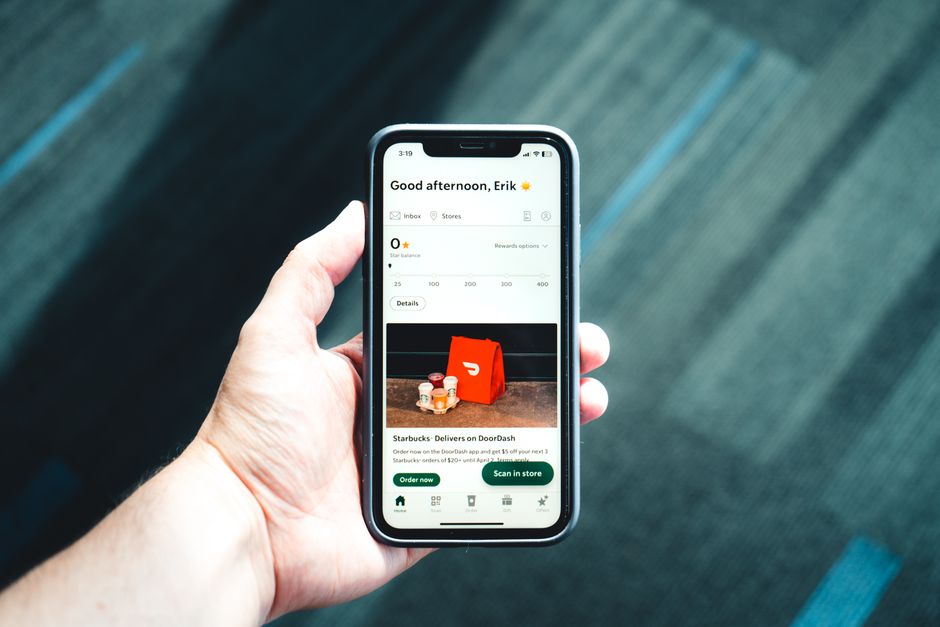
The Essential Subscription Audit: What Are You Actually Paying For?
Before you can cut anything, you need to know exactly what you’re paying for. This isn’t just about glancing at your bank statement; it requires a bit of detective work. Many services bill annually or quarterly, so a monthly scan might miss them.
Digging Through Your Digital Footprint
- Bank Statements & Credit Card Bills: Go back at least 12 months. Look for recurring charges. Circle anything you don’t immediately recognize or use regularly. Be aware of varying transaction names – ‘Spotify AB’ vs. ‘Spotify Premium’ or ‘Netflix Int.’ vs. ‘Netflix Streaming’.
- App Store Subscriptions: Both Apple App Store and Google Play Store have dedicated sections to manage your subscriptions. This is crucial for mobile apps like Headspace, Calm, or even premium versions of productivity tools.
- Email Receipts: Search your inbox for keywords like ‘subscription confirmation’, ‘renewal notice’, ‘invoice’, or ‘your monthly bill’. This often uncovers those less-frequent or forgotten services.
- PayPal/Digital Wallets: If you use services like PayPal, Wise, or others, check their recurring payment settings. Many subscriptions are linked directly through these platforms.
A common mistake is assuming you remember everything. In practice, most people are surprised by at least one or two forgotten subscriptions when they do a thorough audit. This initial step is foundational to reducing household subscriptions effectively.
Evaluating Value: Differentiating Needs from Wants
Once you have a comprehensive list, the next step is honest evaluation. Not every subscription is created equal. Some are genuinely essential for work or daily life, while others are pure entertainment or convenience.
Categorizing Your Subscriptions
- Essentials: Think internet service, phone plan, and perhaps a specific professional software subscription required for your job or studies. For a student in Madrid, this might include a local public transport pass if it’s a subscription model.
- Highly Valued: Services you use almost daily and genuinely enhance your life, like a premium music streaming service (Spotify, Apple Music) or a specific news outlet.
- Occasional Use/Nice-to-Haves: This is where most of the fat can be trimmed. A fitness app you use twice a month, a streaming service you only watch one show on, or a cloud storage plan with far more space than you need.
- Forgotten/Unused: The easiest to cut. If you haven’t touched it in months, it’s gone.
For most readers, a significant portion of their budget dedicated to reducing household subscriptions will come from this ‘occasional use’ category. Be ruthless but realistic.
Digital Minimalism: How to Reduce Screen Fatigue Without Going Offline
Strategic Cuts: Making Smart Decisions
Now for the actual cutting. This isn’t just about hitting ‘cancel’; it’s about making informed decisions that align with your lifestyle and budget.
Streaming Services: Rotate, Share, or Downgrade
The average household in North America and Europe often has 3-4 streaming services. Do you really need Netflix, HBO Max, Disney+, and Amazon Prime Video all at once? Probably not.
- Rotation Method: This is a powerful strategy. Subscribe to Netflix for 2-3 months, binge all the shows you want, then cancel and switch to HBO Max. When you’re done there, move to Disney+. You still get access to content, but you only pay for one at a time. This works brilliantly for students in Lisbon who might be moving between apartments or traveling, needing flexibility.
- Family/Friend Sharing: Many services like Spotify Family or Netflix Premium allow multiple profiles/streams. If you’re living with roommates or have a trusted group of friends, consider splitting the cost. Just ensure you’re within the service’s terms of service and that everyone contributes fairly.
- Ad-Supported Tiers: Some services, like Hulu in the US or some local platforms, offer cheaper ad-supported versions. If you can tolerate a few commercials, this is an easy way to save a few dollars or euros.
- Free Alternatives: Platforms like YouTube (for specific content), Pluto TV, or Tubi (North America) offer a vast library of free content, often with ads. Public broadcasting services in many European countries also offer excellent free on-demand libraries.
Consider the cumulative impact: cutting two streaming services at €10-15 each could save you €20-30 per month, or €240-360 per year. That’s a significant sum for a student’s budget in Berlin or a young worker’s savings fund.
Software & Apps: Free Tiers, Open Source, and Student Discounts
Creative software, productivity tools, and utility apps often come with recurring fees.
- Free Tiers: Many premium apps offer a free version with limited features (e.g., Spotify Free, Evernote Basic, Canva Free). Evaluate if the free tier meets 80% of your needs.
- Open Source Alternatives: For many paid software, there are powerful open-source alternatives. Instead of Adobe Photoshop, consider GIMP. For Microsoft Office, LibreOffice is a solid, free suite.
- Student Discounts: If you’re a student, leverage this heavily! Services like Adobe Creative Cloud, Microsoft 365, Spotify, and even some local public transport in cities like Madrid or Lisbon offer substantial discounts. Always check if your university provides free access to software.
- One-Time Purchases: For some software, a one-time purchase might be more cost-effective in the long run than a monthly subscription if you plan to use it for years.

Fitness & Wellness Apps: Utilize Free Content or Downgrade
From Peloton Digital to Headspace and Calm, these apps are popular but can be pricey.
- YouTube: A treasure trove of free fitness workouts, yoga classes, and meditation guides. Channels like ‘Yoga with Adriene’ or ‘FitnessBlender’ offer professional-grade content at no cost.
- Free Versions: Many apps offer basic free versions or limited free trials that might suffice for your needs.
- Library Resources: Some public libraries, especially in North America and parts of Europe, offer free access to digital resources, including meditation apps or language learning platforms, with your library card.
Beyond Digital: Other Recurring Household Expenses
Reducing household subscriptions isn’t just about digital services. Think about physical goods or recurring services.
Physical Subscriptions & Deliveries
- Meal Kits: HelloFresh, Gousto, Blue Apron. Convenient, but often more expensive than buying groceries and cooking yourself. Evaluate how often you actually use them versus letting ingredients go to waste.
- Coffee Subscriptions, Shaving Clubs, Beauty Boxes: These can be fun, but analyze if you truly need that specific product delivered monthly or if a one-off purchase from a local store or supermarket would be cheaper.
Memberships & Clubs
Gym memberships, club dues, or even magazine subscriptions. Are you using them enough to justify the cost? If your gym in São Paulo or Toronto goes mostly unused, consider home workouts or outdoor activities.
The Power of Negotiation and Asking for Retention Offers
Sometimes, simply threatening to cancel can lead to a better deal, especially with larger service providers like internet or phone companies.
Finding Your Footing: Remote Work-Life Balance Lessons From Europe and the Americas
- Call Your Provider: Explain that you’re looking to cut costs. Ask if there are any cheaper plans available or if they can offer a loyalty discount. Many companies have a ‘retention department’ with special offers to prevent churn. This works well for internet providers in regions like North America, where competition can be fierce.
- Bundle Services: Sometimes combining your internet and mobile plan with the same provider can lead to discounts. However, always compare the bundled price against separate deals.
Implementing a Review Schedule
Reducing household subscriptions isn’t a one-time task. Life changes, and so do your needs.
- Quarterly Check-in: Mark your calendar for a quarterly review of all your subscriptions. Are you still using that language app you signed up for? Did you finish that series on that streaming platform?
- Trial Period Awareness: Always set a reminder a few days before a free trial ends to decide whether to continue or cancel. This avoids accidental charges.
By adopting a proactive approach and regularly reassessing your recurring expenses, you’ll maintain control over your finances. It’s about being intentional with your spending, ensuring every euro, dollar, or peso is directed towards what truly adds value to your life.
FAQ: Practical Answers for Your Subscription Questions
What is the first step to reduce household subscriptions?
The very first step is to compile a complete list of all your recurring charges. Review your bank statements, credit card bills, and app store subscriptions for the past 12 months. This audit helps identify forgotten or underutilized services before you even consider cutting anything, providing a clear picture of your current spending.
How can I save money on streaming services without missing out on shows?
Consider implementing a ‘rotation method.’ Instead of subscribing to multiple streaming services simultaneously, pick one or two, binge the content you want, and then cancel. Switch to another service for a few months and repeat. This allows you to access diverse content while only paying for one service at a time, saving significant money over a year.
Are student discounts available for subscriptions in Europe or South America?
Yes, many major subscription services like Spotify, Apple Music, and Adobe Creative Cloud offer student discounts globally, including across Europe (e.g., for students in Madrid, Lisbon, or Berlin) and South America. Always check the service’s website or your university’s portal for available educational pricing or partnerships, as these can provide substantial savings.
What are some free alternatives for expensive fitness apps?
YouTube is an excellent free resource for fitness and wellness. Channels like ‘Yoga with Adriene’ or ‘FitnessBlender’ offer a vast array of workout videos for all levels. Many apps also provide free basic versions that might suffice, and public libraries often grant free access to digital wellness resources with your library card.
How often should I review my household subscriptions?
It’s advisable to conduct a thorough review of your household subscriptions at least quarterly. Set a recurring reminder in your calendar. This regular check-in helps catch new or forgotten subscriptions, ensures you’re not paying for services you no longer use, and keeps your budget aligned with your current needs and priorities.
Can I negotiate better deals with my current service providers?
Absolutely. For services like internet, mobile phone plans, or even some utilities, calling your provider and expressing your intention to cut costs or switch can often lead to better offers. Many companies have retention departments authorized to provide discounts or upgrade you to a better plan to prevent you from canceling your service.
Final Thoughts on Smart Spending
Taking control of your subscriptions is more than just saving money; it’s about smart financial management and ensuring your hard-earned cash is going towards things you genuinely value. By regularly auditing, evaluating, and making intentional choices, you’ll find yourself with more breathing room in your budget, whether you’re saving for travel, a down payment, or simply a more comfortable daily life. It’s a practical step towards a more mindful and financially stable lifestyle. For more practical lifestyle guides, read more practical lifestyle guides on Le Daily Post.