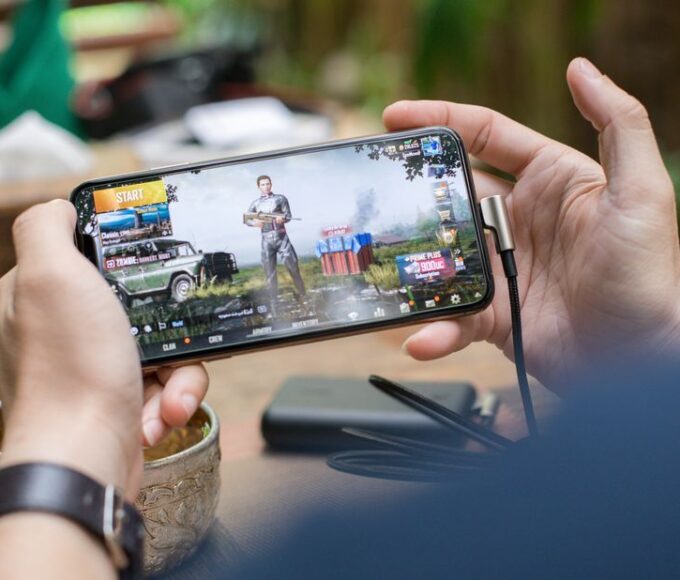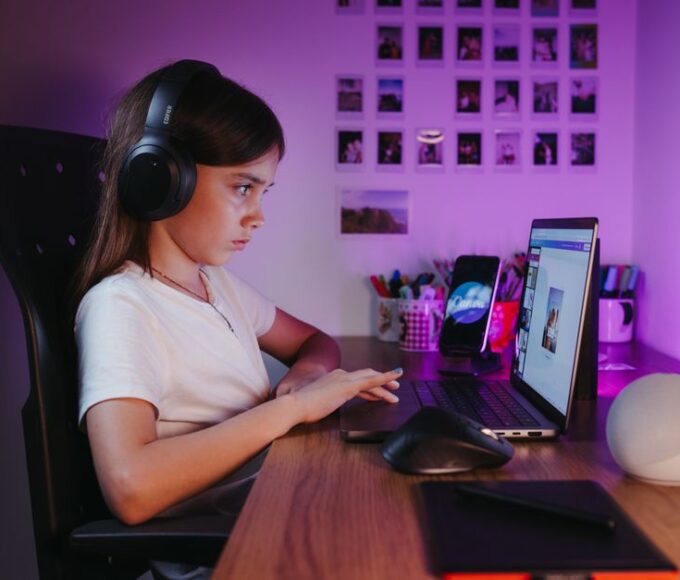

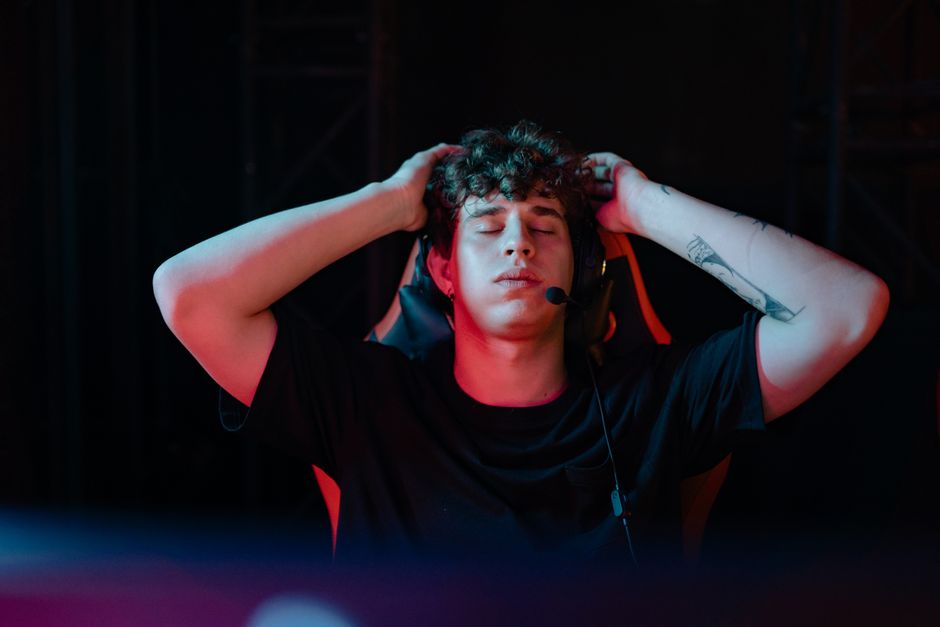
Gaming has evolved far beyond a niche hobby; it’s a significant part of popular culture and a beloved pastime for millions of adults across North America, Europe, and South America. From tackling challenging raids in an MMO to unwinding with a compelling narrative-driven single-player experience, games offer unique forms of entertainment, social connection, and even stress relief. However, like any engaging activity, finding the right balance—cultivating healthy gaming habits for adults—is crucial for long-term enjoyment and well-being.
It’s easy to lose track of time when you’re immersed in a game, especially after a long day of work or studies. What starts as an hour can quickly turn into three or four. This guide isn’t about shaming anyone for their passion. Instead, it’s a practical, no-nonsense look at how you can integrate gaming into a full, healthy adult life without sacrificing sleep, responsibilities, or other important aspects of your well-being. Think of it as a playbook for responsible, enjoyable play.
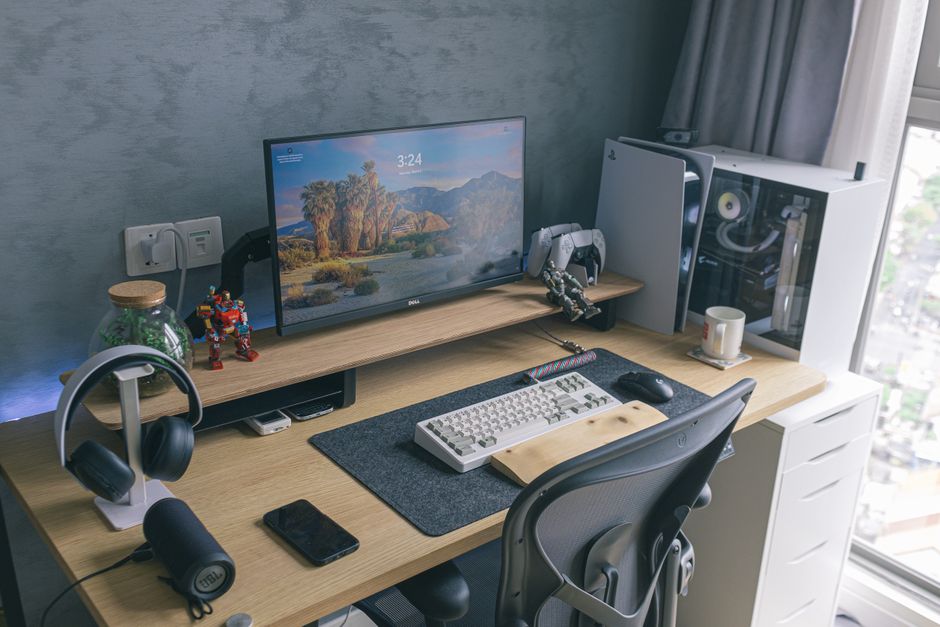
Maintaining healthy gaming habits for adults means balancing digital worlds with real-world responsibilities and connections.
Understanding Your Relationship with Games
Before you can build healthier habits, it helps to understand your current ones. What drives you to play? Is it competition, relaxation, social connection, or pure escapism? Recognizing your motivations can help you tailor strategies that truly work for you.
Identifying Your Gaming Triggers and Patterns
Take an honest look at your gaming patterns. Do you tend to play most after a stressful day? Are you more inclined to hop on Fortnite with friends late at night, pushing past your bedtime? Are you buying into a Game Pass subscription and feeling compelled to ‘get your money’s worth’ by playing more than you intended? Understanding these triggers isn’t about judgment; it’s about gaining self-awareness. For many students, gaming becomes a default after lectures, sometimes at the expense of meal prep or exercise.
- Time Tracking: Most gaming platforms (like Xbox or PC launchers such as Steam) offer built-in time tracking. Use it. A week’s worth of data can be incredibly insightful.
- Mood Check: Before and after playing, briefly note how you feel. Does gaming genuinely de-stress you, or does it sometimes add to a sense of pressure or guilt?
- Opportunity Cost: What are you consistently giving up for gaming? Sleep? Exercise? Time with loved ones? Other hobbies?
Setting Realistic Boundaries and Schedules
The most effective strategy for healthy gaming habits for adults often boils down to setting clear, non-negotiable boundaries. This isn’t about deprivation; it’s about strategic allocation of your time.
The Power of a Gaming Schedule
Instead of playing whenever the mood strikes, try scheduling your gaming time. Treat it like an appointment with yourself. If you know you have a two-hour window for Fortnite or an Xbox session from 7 PM to 9 PM, you’re more likely to manage your time effectively and less likely to fall into endless scrolling or late-night binges. This approach is particularly useful for those balancing work or university in busy urban centers across Europe or North America.
- Weekdays vs. Weekends: Differentiate your allowance. Maybe 1-2 hours on weeknights, and more flexibility on weekends.
- Post-Responsibility Play: Make gaming a reward after major tasks are done. Finish that report, clean the apartment, then game.
- Use Reminders: Set phone alarms or smart home reminders to signal the start and end of your gaming session.
Leveraging Technology for Your Benefit
Modern devices offer tools to help you stick to your limits. On PCs, apps like Freedom or Cold Turkey can block specific sites or even lock you out of applications after a set time. Consoles often have parental control features that can be repurposed for adult self-management, allowing you to set time limits on your own profile. Remember, these are tools to empower you, not to make you feel restricted.
Mobile Gaming Trends: What’s Hot in Latin America, Europe, and North America?
Optimizing Your Gaming Environment
Your physical setup plays a surprisingly large role in your ability to maintain healthy gaming habits. An ergonomic, comfortable, and well-lit space can prevent physical strain and improve your overall experience.
Ergonomics: Your Body Will Thank You
Hours spent hunched over a screen can lead to back pain, neck strain, and wrist issues. Investing in proper ergonomics is not a luxury; it’s essential. This is true whether you’re gaming in a cozy apartment in Buenos Aires or a student dorm in Berlin.
- Chair: A good ergonomic chair with lumbar support and adjustable armrests is paramount. Your feet should be flat on the floor or on a footrest, and your knees at a 90-degree angle.
- Monitor Position: Your monitor should be at arm’s length, with the top of the screen at eye level. This prevents neck strain.
- Keyboard and Mouse: Use an ergonomic keyboard and mouse. Wrist rests can help, but ensure you’re not resting your wrists while typing, only during breaks.
Minimizing Distractions and Optimizing Lighting
A clutter-free, well-lit environment can make a significant difference. Dim lighting can cause eye strain, and a messy desk can lead to mental clutter.
- Lighting: Opt for ambient lighting that doesn’t create glare on your screen. Bias lighting behind your monitor can reduce eye fatigue.
- Headphones: High-quality headphones can immerse you in the game and block out household noise, but remember to take breaks and consider open-back options for better spatial awareness if you’re sensitive to prolonged pressure.
- Declutter: Keep your gaming area clean and organized. A dedicated space for gaming helps compartmentalize the activity.
Integrating Other Hobbies and Social Connections
Gaming should be one piece of a rich, fulfilling life, not the whole pie. Actively pursuing other interests and maintaining real-world social connections are vital components of healthy gaming habits for adults.

Regular breaks and diverse hobbies are key to a balanced lifestyle for adult gamers, fostering both physical and mental well-being.
Beyond the Screen: Rediscovering Offline Joys
Remember life before that new Xbox release or that epic Game Pass title? What did you enjoy? Reading, hiking, playing an instrument, cooking, learning a new language? Make time for these activities. They provide different forms of stimulation and satisfaction.
- Scheduled Offline Time: Just as you schedule gaming, schedule offline activities. A walk in a park, a coffee with a friend, or even 30 minutes with a book can reset your perspective.
- Variety is Key: Don’t just swap one screen for another. If you’re cutting down on gaming, don’t fill the void with endless social media scrolling. Seek out truly different experiences.
Nurturing Real-World Relationships
While online gaming offers fantastic avenues for social connection, it shouldn’t entirely replace in-person interactions. Balance is key. Many gamers build strong friendships online, but face-to-face connections offer a different kind of support and intimacy.
The Best Multiplayer Games for Long-Distance Friends and Families
- Prioritize Meet-ups: Make an effort to meet friends in person. Organize a coffee, a meal, or a group outing.
- Family Time: Dedicate quality, uninterrupted time to family and partners. Put the controller down, turn off the phone, and engage fully.
The Importance of Physical and Mental Well-being
Healthy gaming habits for adults extend beyond just time management; they encompass your overall physical and mental health. Neglecting these areas will inevitably diminish the joy you get from gaming.
Movement, Sleep, and Nutrition
It sounds cliché, but these are the bedrock of a healthy life, gamer or not. Ignoring them for gaming will lead to burnout, irritability, and decreased performance both in-game and out.
- Breaks: Every hour, take a 5-10 minute break. Stand up, stretch, walk around, look out a window (the 20-20-20 rule for eyes is a good start: every 20 minutes, look at something 20 feet away for 20 seconds).
- Sleep: Aim for 7-9 hours of quality sleep. Stop gaming at least an hour before bed to allow your brain to wind down. The blue light from screens can disrupt melatonin production.
- Hydration and Snacks: Keep water nearby. Avoid sugary drinks and processed snacks that lead to energy crashes. Opt for healthier options like fruit, nuts, or water.
Managing Stress and Mental Health
Gaming can be a great stress reliever, but if it becomes another source of stress (e.g., competitive pressure, guilt over time spent), it’s counterproductive. Pay attention to your mental state.
- Mindful Gaming: Engage with the game fully, but also be aware of your emotions. If you’re feeling overly frustrated or angry, it might be time for a break.
- Seek Support: If you find yourself consistently struggling to control your gaming, or if it’s negatively impacting your life, don’t hesitate to reach out to a professional counselor or therapist. Many regions, from Rio de Janeiro to London, have resources available.
FAQ: Answering Your Healthy Gaming Questions
How can I reduce my screen time without feeling deprived?
Start small by replacing a fraction of your gaming time with another activity you enjoy, like reading or a short walk. Use timers to gently enforce limits, and engage in “mindful gaming” where you’re fully present during your play sessions, making them more satisfying and less prone to mindless marathons. Focus on adding quality to your time, not just subtracting it.
Is playing Fortnite for hours considered unhealthy?
Playing Fortnite for hours isn’t inherently unhealthy, but the key is balance and impact. If it consistently replaces sleep, exercise, or real-world social interactions, or if you feel compelled to play against your better judgment, it becomes problematic. Ensure you’re taking breaks, maintaining posture, and that your overall life balance isn’t skewed heavily towards gaming.
What are good alternatives to gaming for relaxation?
For relaxation, consider hobbies like reading a physical book, listening to music or podcasts, light exercise (yoga or stretching), cooking a new recipe, journaling, or spending time outdoors. Board games or card games with friends offer social interaction without screen time, while creative pursuits like drawing or playing an instrument engage different parts of your brain.
How can Game Pass help me develop healthy gaming habits?
Game Pass can introduce you to a wider variety of games, potentially encouraging you to try shorter, more diverse experiences rather than focusing solely on one time-consuming title. Its curated library might also make you more discerning about what you choose to play, rather than mindlessly defaulting. However, it can also tempt you to play more to ‘get your money’s worth,’ so self-discipline remains key.
Are there specific tools on Xbox to manage gaming time for adults?
Yes, Xbox consoles have solid family settings that adults can adapt for self-management. You can create a family group, add yourself, and then set screen time limits for your own profile. This allows you to schedule specific play times or daily allowances. You can also monitor your activity through the Xbox Family Settings app on your phone, providing valuable insights into your habits.
How do students balance gaming with academic responsibilities?
Students can balance gaming with academics by scheduling dedicated gaming slots only after academic work is complete, treating gaming as a reward. Prioritize study time, attend all classes, and use timers to ensure gaming doesn’t bleed into study hours or sleep. Many successful students use the Pomodoro technique for studying, then reward themselves with short gaming breaks, which helps maintain focus and motivation.
Conclusion: Gaming Mindfully for a Richer Life
Cultivating healthy gaming habits for adults isn’t about giving up something you love. It’s about integrating your passion into a balanced, fulfilling life. By understanding your patterns, setting realistic boundaries, optimizing your environment, embracing other hobbies, and prioritizing your physical and mental health, you can ensure that gaming remains a source of joy and connection, rather than stress or regret. The goal is mindful play that enhances, rather than detracts from, your overall well-being. Want more tips on balancing your digital life? Discover more gaming guides on Le Daily Post.