

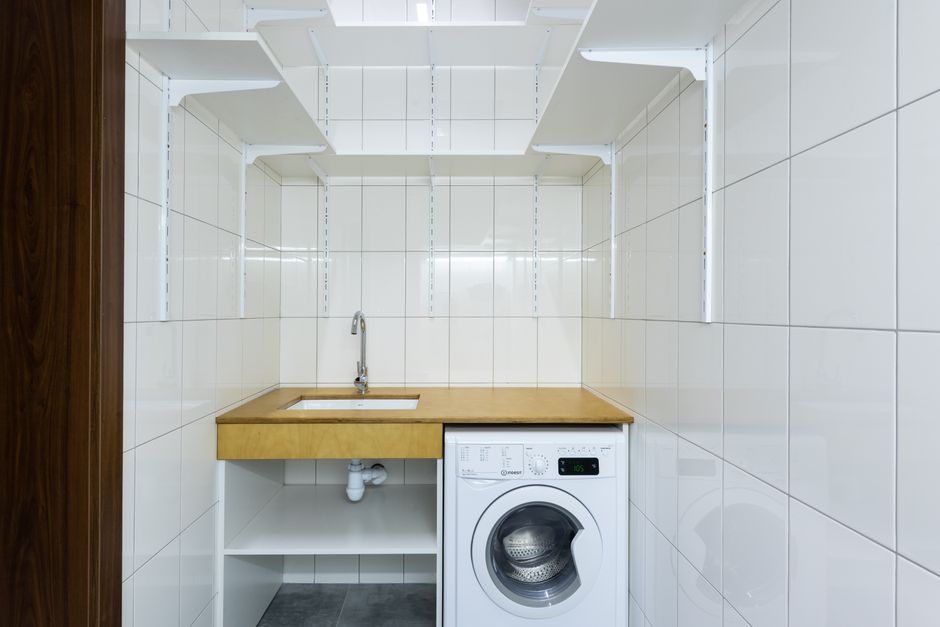
Creating a practical wardrobe laundry system involves establishing consistent routines for sorting, washing, drying, and putting away clothes, minimizing common pitfalls like garment damage or overwhelming laundry baskets. It’s about integrating these steps into your daily or weekly schedule, making the process less of a chore and more of a streamlined household task. The goal is to preserve your garments, save time and energy, and maintain an organized living space, particularly vital for busy urban families navigating limited space and demanding schedules in cities like New York, Berlin, or Madrid.
Consider the typical Sunday evening scramble: a mountain of clothes, a frantic search for that ‘one’ shirt, and the inevitable realization that something crucial needed dry cleaning yesterday. This scenario isn’t unique to one household; it’s a common thread for many busy individuals and families, whether they’re navigating the compact apartments of Berlin or the sprawling homes of North America. The challenge isn’t just about getting clothes clean; it’s about managing the entire cycle—from wear to wash to put-away—without it consuming your precious free time.
Building an effective wardrobe laundry system isn’t about rigid rules, but about developing habits that fit your life. It’s a skill, like meal planning or budgeting, that improves with intention. By understanding common pitfalls and adopting smarter practices, you can transform a chaotic chore into a predictable, manageable part of your home routine.
The Unseen Costs of a Disorganized Laundry Routine
Many of us underestimate the cumulative impact of a haphazard approach to laundry. Beyond the visible piles and the ‘nothing to wear’ dilemma, a disorganized system contributes to premature garment wear, increased utility bills, and significant time drain. Constantly re-washing items because they weren’t sorted properly, or replacing clothes damaged by incorrect care, adds up. For urban families, where space is often at a premium, an efficient system isn’t just convenient; it’s essential for maintaining household order.
Think about the energy expended. Running half-empty loads, using excessive detergent, or machine-drying delicate items that should air-dry all contribute to higher costs and a larger environmental footprint. In cities across Europe and North America, where sustainability is increasingly a focus, optimizing your laundry practices aligns with broader lifestyle goals. A structured system means fewer spontaneous trips to the dry cleaner and a clearer understanding of your wardrobe’s true needs.

Why a Practical Wardrobe Laundry System Matters More Than You Think
A well-thought-out system provides a roadmap for your clothing care, ensuring garments last longer, look better, and are always ready when you need them. It reduces decision fatigue and frees up mental energy for other tasks. For families juggling work, school, and extracurricular activities, a predictable laundry routine can be a quiet anchor in a busy week. It’s about creating a flow that respects both your clothes and your time.
Key Habits to Create a Practical Wardrobe Laundry System
Implementing a practical wardrobe laundry system involves a few fundamental shifts in how you approach clothing care. These aren’t just tips; they’re foundational habits that, once established, make laundry less of a chore and more of a streamlined process.
1. Sort As You Go, Not Just Before Washing
The biggest time-saver is pre-sorting. Instead of dumping everything into one hamper, set up multiple bins or bags for different categories: lights, darks, delicates, and towels. If space is tight, consider stackable bins or a multi-compartment hamper. In a compact New York apartment or a small flat in Madrid, this might mean a slim, vertical sorter. The goal is to eliminate the need for a massive sorting session before each wash day.
2. Understand Fabric Care Labels
Those small tags aren’t just for show. They contain vital information about water temperature, drying methods, and special instructions. Taking a few moments to understand symbols for ‘hand wash only,’ ‘do not bleach,’ or ‘tumble dry low’ can save favorite garments from damage. A quick search for ‘laundry care symbols’ can provide a handy reference chart to keep near your washing machine.
Smart Moves: Plan Errands Around Walkable Neighborhoods in Real Life
3. Establish a Consistent Wash Schedule
Whether it’s once a week, twice a week, or a load every other day, consistency is key. Pick a schedule that works for your household’s rhythm and stick to it. This prevents overwhelming laundry piles and ensures you always have clean clothes ready. For a large family in South America, this might mean designated days for specific types of loads, while a smaller household in Europe might opt for fewer, larger washes.
4. Optimize Your Drying Methods
Not everything needs to go into the dryer. Air-drying delicate items, activewear, or even denim can prolong their life and save energy. Invest in a collapsible drying rack or a retractable clothesline if space allows. This is particularly beneficial in areas with higher energy costs or for specific fabric types like merino wool or silk.
5. Fold and Put Away Immediately
The ‘clean clothes pile’ is a common adversary of an organized wardrobe. As soon as clothes are dry, fold or hang them and put them away. This prevents wrinkles, eliminates re-folding later, and keeps your living space tidy. In a busy family home, consider making this a collaborative effort, with each member responsible for their own clean laundry.
6. Embrace Stain Pre-Treatment
Tackling stains as soon as they happen is crucial. Keep a reliable stain remover nearby. Products like OxiClean or Vanish can be lifesavers for common spills. Address stains before they set, and follow product instructions carefully to avoid permanent damage to fabrics.
Comparing Common Laundry System Approaches
Different approaches work for different households. Here’s a brief comparison of common strategies:
| System Type | Description | Pros | Cons |
|---|---|---|---|
| Daily Micro-Loads | Wash one small load each day (e.g., towels Monday, darks Tuesday). | Prevents large piles, always clean clothes, manageable. | Requires daily attention, may use more water/energy if loads are too small. |
| Weekend Marathon | Dedicate one day (e.g., Saturday) to doing all laundry for the week. | Get it all done at once, frees up weekdays. | Can be overwhelming, takes a large chunk of one day, requires ample sorting space. |
| ‘As Needed’ Approach | Wash when a hamper is full, regardless of day. | Flexible, adapts to clothing accumulation. | Can lead to last-minute rushes, inconsistent, potential for garment shortage. |
| Zoned System | Each family member has their own hamper/washing day. | Clear accountability, reduces sorting for parents. | Requires cooperation, might need multiple machines for large families or staggered schedules. |

Common Mistakes to Avoid in Your Wardrobe Laundry System
Even with good intentions, many common errors can derail an otherwise practical wardrobe laundry system. Being aware of these can help you steer clear of frustration and extend the life of your clothes.
Overloading the Washing Machine: It’s tempting to cram as many items as possible into one load, especially with larger European machines, but this is counterproductive. Clothes need space to move freely to get properly clean. Overloading leads to poor cleaning, excessive wear on garments, and strain on your appliance. It’s better to do two medium loads than one overflowing one.
Using Too Much Detergent: More suds don’t mean cleaner clothes. Excess detergent can leave residue on fabrics, irritate skin, and even damage your washing machine over time. Refer to the detergent manufacturer’s recommendations, which are often based on load size and water hardness. Many modern high-efficiency (HE) machines require significantly less detergent.
What to Automate in Your Personal Life and What to Keep Manual: The Smarter Checklist
Ignoring Stain Treatment: Leaving stains to sit, or trying to wash them out without pre-treatment, often sets them permanently. Grease stains, for instance, are notoriously difficult once they’ve been through a hot dryer. Address stains promptly and use the appropriate pre-treatment product for the type of stain and fabric. This is a critical step often overlooked in busy households.
Neglecting Washing Machine Maintenance: A dirty washing machine can’t effectively clean clothes. Residual detergent, fabric softener, and lint can build up, leading to odors and even bacterial growth. Run a ‘clean machine’ cycle monthly with a specialized cleaner or a cup of white vinegar and baking soda. Regularly wipe down the detergent dispenser and door seals.
Improper Drying Techniques: Tossing everything into the dryer on high heat is a recipe for shrinking, fading, and fabric damage. High heat is particularly harsh on elastic, delicate knits, and synthetic fibers. Sort clothes by drying requirements – some items benefit from low heat, others from air-drying. Always check those care labels.
Frequently Asked Questions About Wardrobe Laundry Systems
How do urban families with limited space manage laundry effectively?
Urban families can maximize space by using compact, stackable sorting bins, collapsible drying racks, and vertical storage solutions. Prioritizing small, frequent loads over large, infrequent ones also prevents laundry from piling up and consuming valuable floor space, especially in cities like Berlin or Madrid where apartments are often smaller.
What’s the best way to sort laundry for beginners?
For beginners, the simplest sorting method is by color: whites, lights (pastels, light greys), and darks (blacks, navies, deep colors). As you gain experience, you can add categories like delicates, towels, and heavily soiled items, using separate hampers or bags for each.
How often should I wash everyday clothes like jeans or sweaters?
Jeans typically need washing every 4-5 wears, unless visibly dirty or stained, to preserve their fit and color. Sweaters, depending on material and proximity to skin, can often go 3-5 wears. Outer layers worn over other clothes can last even longer between washes. Use your judgment based on freshness and visible dirt.
Are laundry pods better than liquid or powder detergent?
Laundry pods offer convenience and pre-measured portions, which can prevent overuse of detergent. However, they may not be suitable for very small loads, as they can be difficult to split. Liquid and powder detergents offer more flexibility in dosage and are often more cost-effective for different load sizes and soil levels.
How can I make my laundry system more eco-friendly?
To make your system more eco-friendly, wash clothes in cold water whenever possible, which saves energy. Air-dry items instead of using a dryer. Use concentrated, biodegradable detergents, and avoid fabric softeners, which can contain harsh chemicals. Additionally, repair minor damage to clothes to extend their lifespan, reducing textile waste.
Building a Sustainable Laundry Future
Establishing a practical wardrobe laundry system is a continuous process of refinement, not a one-time fix. By avoiding common mistakes and integrating smarter habits, you’re not just tackling laundry; you’re investing in the longevity of your clothes, the efficiency of your home, and your own peace of mind. Whether you live in a bustling European capital or a quiet suburban street in North America, these principles hold true, helping you manage your wardrobe with confidence and ease. For more practical lifestyle guides, read more practical lifestyle guides on Le Daily Post.