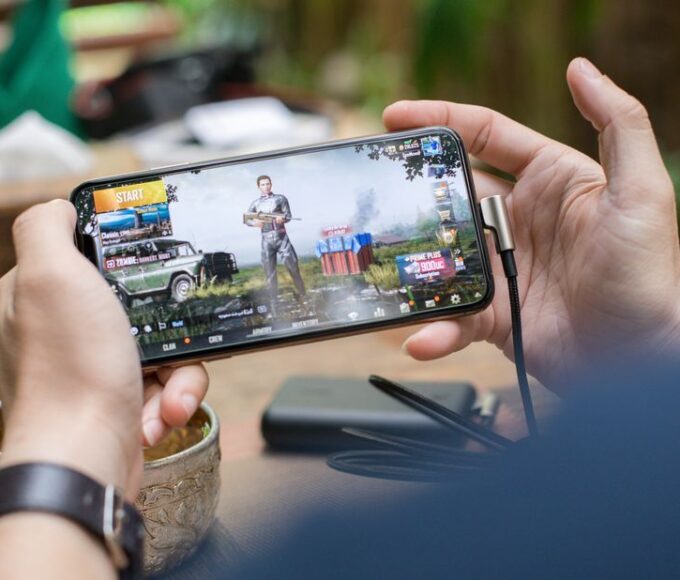


Picture this: you’ve just finished a marathon study session, your brain is fried, and all you want is five minutes of pure, unadulterated distraction. You open up a game, hoping to unwind, and immediately you’re hit with a full-screen video ad that you can’t skip for another 30 seconds. Sound familiar? It’s a common frustration, especially for students trying to squeeze in some leisure time without constant interruptions.
The mobile gaming landscape is vast, filled with countless options, but a significant portion relies on an aggressive ad model that can quickly turn a fun diversion into a test of patience. For students, who often have limited disposable income but plenty of downtime, finding quality entertainment that respects their time and attention is key. This guide is all about helping you navigate that landscape, specifically focusing on choosing from the mobile games without aggressive ads.
It’s not just about avoiding those annoying pop-ups; it’s about finding games that offer a complete, enjoyable experience from the get-go, whether you’re commuting to class in Berlin, taking a break in Buenos Aires, or relaxing after lectures in Toronto.
Understanding the Ad-Supported vs. Premium Model
Before diving into specific recommendations, it’s important to understand the fundamental difference between ad-supported and premium mobile games. Most free-to-play (F2P) games generate revenue through advertising and in-app purchases (IAPs). While some integrate ads gracefully (e.g., optional rewarded ads for bonuses), many others employ highly intrusive methods: pop-up videos, banner ads that obscure gameplay, or forced ads after every few levels. This can severely degrade the user experience.
Premium games, on the other hand, typically require an upfront purchase. This one-time payment usually grants you full access to the game’s content without any ads or often without the need for additional IAPs for core gameplay elements. Think of it like buying a game for your PlayStation or Nintendo Switch; you pay once, and you own the experience. This model inherently provides a cleaner, more focused gaming experience, free from commercial interruptions.

Choosing Mobile Games Without Aggressive Ads: Practical Tips
Finding those gems requires a bit of strategy. Here are some practical tips to help students find excellent mobile games that respect their time and attention.
1. Prioritize Paid & Premium Titles
This is often the most direct route to an ad-free experience. Many developers offer their mobile games as a one-time purchase. These games are designed to be complete experiences from the start, without the need for constant monetization tactics. Look for games priced from a few dollars/euros/pesos upwards. While it’s an initial investment, the uninterrupted gameplay and often higher quality are well worth it. For example, many acclaimed indie games that started on PC or console eventually make their way to mobile in a premium, ad-free format.
2. Look for “No Ads” or “Ad-Free” in Descriptions
When browsing app stores, specifically check the game’s description for explicit mentions of “no ads” or “ad-free experience.” Developers who pride themselves on this often highlight it. Sometimes, a free game might offer an in-app purchase to remove all ads; this is a viable option if you enjoy the game enough to make that one-time investment.
PC vs Console vs Handheld: Which Gaming Setup Fits Your Lifestyle?
3. Explore Offline Playable Games
Many games designed for offline play inherently have fewer (or no) ads, as constant ad serving often requires an internet connection. Offline games are fantastic for commutes, long flights, or just when you want to conserve data. Plus, they’re perfect for students without constant Wi-Fi access. Titles like classic puzzle games, turn-based RPGs, or single-player strategy games are often excellent offline candidates.
4. Check Reviews and Ratings (Specifically for Ad Complaints)
Before downloading, always check user reviews. Pay close attention to comments about ads. If a game has an overly aggressive ad model, users will frequently complain about it in the reviews section. A game with a high rating but numerous complaints about ads might still not be the right fit.
5. Consider Subscription Services
Some platforms offer subscription services for mobile games. For instance, Apple Arcade provides a curated library of premium, ad-free games for a monthly fee. Google Play Pass offers a similar service for Android users. These can be excellent value, providing access to dozens or even hundreds of high-quality titles without any ads or IAPs for a flat rate, making it easy to enjoy games on the go, whether you’re in Rome, Rio, or Rochester.
6. Focus on Established Indie Developers
Many independent game studios prioritize gameplay experience over aggressive monetization. Look for critically acclaimed indie titles that have been ported to mobile. These developers often have a strong community and a reputation for fair practices. Their games might not always be free, but they rarely resort to disruptive ad strategies.
7. Research Specific Genres
Certain game genres are more prone to aggressive ads than others. Hyper-casual games, for instance, are notorious for frequent ad breaks. Conversely, genres like narrative adventures, premium puzzle games (e.g., from companies like Rusty Lake), or board game adaptations often offer a more respectful, ad-free experience.
Comparing Mobile Gaming Options
Let’s look at how different gaming platforms and models stack up when it comes to ads and overall experience for students.
| Platform/Model | Ad Frequency | Cost Model | Pros for Students | Cons for Students |
|---|---|---|---|---|
| Premium Mobile Games (Paid Apps) | Virtually None | One-time purchase | No interruptions, often higher quality, offline play. | Upfront cost, fewer “new” games frequently. |
| Subscription Services (e.g., Apple Arcade, Google Play Pass) | None | Monthly fee | Vast library, no ads/IAPs, curated quality. | Recurring cost, games only available while subscribed. |
| Free-to-Play Mobile Games (with Ad-Remove IAP) | Initially High, then None (after purchase) | Free to start, then one-time IAP | Try before you buy, can remove ads if you like it. | Aggressive ads until purchase, potential for other IAPs. |
| Free-to-Play Mobile Games (Ad-Supported Only) | Very High | Free | No direct cost. | Constant interruptions, data usage for ads, often lower quality. |
| Console Games (PlayStation, Nintendo Switch) | None | Upfront console & game purchase | Deep, immersive, ad-free experiences, high quality. | Significant initial investment, less portable. |
Common Mistakes to Avoid When Looking for Ad-Free Games
Even with good intentions, it’s easy to fall into traps when searching for mobile games without aggressive ads. Here are some pitfalls to steer clear of:
Assuming “Free” Means Good Value: While many free games are excellent, the term “free” in the mobile world often comes with a hidden cost: your attention, time, and data spent watching ads. Don’t assume a free download automatically equates to a pleasant experience. Sometimes, a small upfront payment saves you a lot of frustration.
How Parents Can Choose Safe Online Games for Kids: A Practical Guide
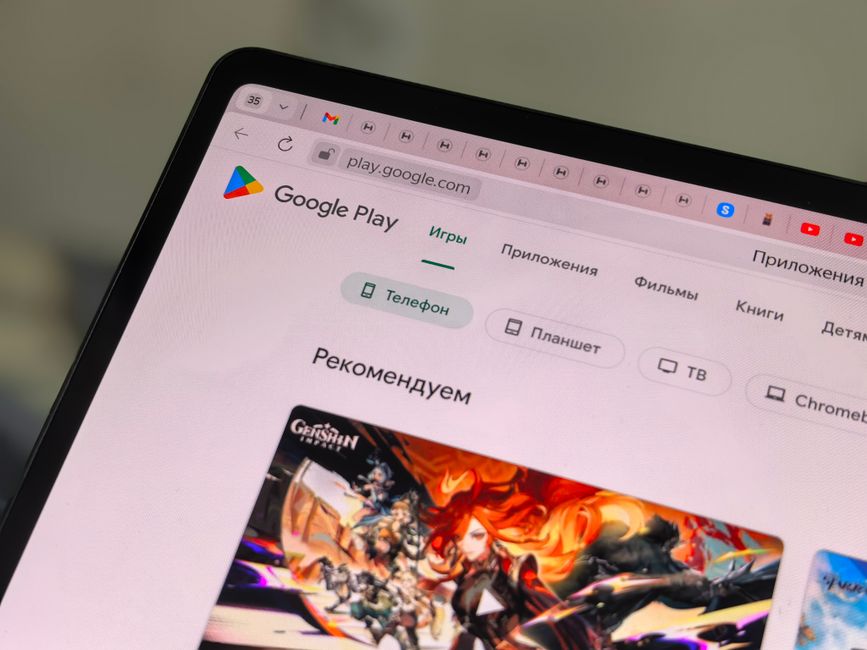
Ignoring App Store Categories: Many app stores have specific categories or curated lists for “premium games,” “games with no IAP,” or “offline games.” Make sure to browse these sections instead of just the general “top free games” lists, which are often dominated by ad-heavy titles.
Not Reading the Fine Print: A game might say “no forced ads” but still have optional rewarded ads, or a “remove ads” IAP that doesn’t cover all forms of advertising (e.g., if the game has partnerships for certain content). Always read the full description and user reviews carefully to understand the monetization model.
Overlooking Lesser-Known Publishers: Big-name publishers often have complex monetization strategies. Many fantastic ad-free games come from smaller, independent developers who prioritize a clean user experience. Don’t be afraid to try games from studios you haven’t heard of, as long as reviews are positive.
FAQ: Mobile Games Without Aggressive Ads
What is Minecraft like on mobile compared to other platforms?
Minecraft Pocket Edition (now simply Minecraft) on mobile offers a largely identical core experience to its console (PlayStation, Nintendo Switch) and PC counterparts. It’s a premium, one-time purchase game, meaning it comes with no aggressive ads. You get the same creative freedom, exploration, and survival gameplay, optimized for touchscreens. It’s an excellent ad-free option for students.
Are there good offline mobile games that don’t have ads?
Yes, many high-quality mobile games offer solid offline play and are completely ad-free, often as a premium purchase. Examples include puzzle games like Monument Valley, logic games like Sudoku apps (premium versions), or classic RPGs that have been ported to mobile. These are perfect for commuting or study breaks where internet access might be limited.
How can I tell if a mobile game has aggressive ads before I download it?
The best way is to check user reviews and ratings in the app store. Look for comments specifically mentioning frequent pop-ups, video ads, or unskippable advertisements. Also, check the game description for phrases like “contains ads” and consider if there’s an option to remove them via an in-app purchase.
Do popular console games like those from PlayStation or Nintendo Switch have mobile versions without ads?
Sometimes. Major console franchises occasionally release mobile spin-offs or ports. When they do, these are often premium, paid titles that are ad-free, reflecting their console heritage. However, not every console game has a mobile equivalent, and some “mobile versions” might be F2P with ads or IAPs, so it’s crucial to check reviews.
Is it worth paying for a mobile game to avoid ads?
For most students, paying a small upfront fee for a mobile game to avoid aggressive ads is absolutely worth it. The investment provides an uninterrupted, higher-quality gaming experience, saves data from loading ads, and respects your time. It’s particularly valuable for games you plan to spend a lot of time on or use for relaxation.
Finding quality entertainment on your phone doesn’t have to mean enduring a barrage of advertisements. By being intentional in your choices and understanding the different monetization models, you can discover a world of engaging, ad-free mobile games. Whether you’re in Santiago, Stockholm, or Seattle, choosing from the mobile games without aggressive ads allows you to truly unwind and enjoy your downtime. Discover more gaming guides on Le Daily Post.