

In major cities from London to Buenos Aires, and New York to São Paulo, our lives are increasingly tethered to screens. From laptops for work to smartphones for social connections and tablets for entertainment, digital devices dominate our waking hours. While undeniably convenient and often necessary, this constant screen exposure, particularly in the evening, throws a wrench into our natural sleep-wake cycle. The blue light emitted by these devices suppresses melatonin production, making it harder to fall asleep, and the endless stream of information keeps our minds buzzing long after we’ve ‘clocked off’.
For many, the challenge isn’t just turning off the device, but truly winding down. We know we should, but the practical steps often feel overwhelming after a mentally taxing day. This guide offers a practical checklist for building a calm night routine after screen-heavy days, designed to help city dwellers reclaim their evenings and improve their sleep hygiene. It’s about creating a transition, a buffer zone between the digital world and the restorative peace of a good night’s rest.

Understanding the Impact of Screens on Your Sleep Hygiene
Before diving into solutions, it’s worth understanding exactly what screens do to our bodies and brains when the sun goes down. It’s more than just a vague feeling of being ‘wired.’ The blue light emitted by phones, tablets, and computers mimics daylight, tricking our brains into thinking it’s still daytime. This suppresses the release of melatonin, a hormone critical for regulating sleep. Beyond light, the content itself — urgent emails, social media feeds, captivating shows — stimulates our minds, raising cortisol levels and keeping us in an alert, active state. This directly undermines good sleep hygiene, which refers to the habits and practices conducive to sleeping well on a regular basis.
Consider a busy professional in Toronto, Canada, or a student in Berlin, Germany. Their days are filled with screen time, often stretching into the late hours. Without a deliberate wind-down, their bodies struggle to initiate the physiological processes necessary for sleep, leading to difficulty falling asleep, fragmented sleep, and reduced deep sleep. This isn’t just an anecdote; research consistently points to these detrimental effects, impacting everything from mood and cognitive function to long-term physical health. The NHS, for instance, frequently highlights how crucial reducing screen time before bed is for improving overall sleep quality and supporting mental health.
The Blue Light Problem and Melatonin Suppression
The primary culprit is blue light. Our eyes have photoreceptors that are particularly sensitive to blue light, signaling to the brain that it’s daytime. Even short exposures in the evening can significantly delay melatonin production. This isn’t about ditching screens entirely, which isn’t realistic for most, but about mitigating their impact. Many devices now offer ‘night mode’ or ‘warm light’ settings, which shift the screen’s color temperature towards the red end of the spectrum. While helpful, these aren’t a complete solution, as the mere act of engaging with stimulating content still impacts your arousal levels.
Cognitive Arousal: More Than Just Light
Beyond blue light, the content we consume on screens also plays a significant role in keeping us awake. Engaging with work emails, intense video games, or even suspenseful dramas can improve our heart rate and stimulate our minds, making it difficult to transition into a restful state. For someone in Rio de Janeiro trying to unwind after a demanding day, scrolling through news updates or an exciting feed can be just as disruptive as bright light. The goal of a calm night routine after screen-heavy days is to reduce both optical and cognitive stimulation.
Setting the Stage: Your Pre-Downtime Strategy
Building a truly calm night routine starts even before you fully unplug. It involves making conscious choices throughout your evening to prepare for the transition. This isn’t about rigidity but about creating a gradual shift.
Designate a Digital Cut-Off Time
This is perhaps the most challenging, yet most impactful step. Aim for at least one hour, ideally two, before your intended bedtime, where you cease all non-essential screen use. This means no more social media, emails, news apps, or binge-watching. If your work demands late-night screen time, try to schedule breaks to introduce some mental distance. For example, a software developer in Silicon Valley might aim to finish coding by 8 PM, even if they plan to be in bed by 10 PM. This provides a crucial two-hour window for winding down.
Optimize Your Device Settings
Activate ‘night shift’ or ‘blue light filter’ modes on all your devices several hours before bedtime. Most smartphones (like Apple iPhones and Samsung Galaxies) and computers (Windows and macOS) have this feature built-in. While not a magic bullet, it significantly reduces the blue light emitted. Also, consider turning off notifications for non-essential apps in the evening. This minimizes interruptions and the temptation to check your phone.
Protect Your Voice During Travel, Events, and Long Calls: A Practical Guide
Create a Screen-Free Zone
Your bedroom should be a sanctuary for sleep, not a digital hub. Resist the urge to have a TV, laptop, or even your phone charging by your bedside. If your phone doubles as an alarm, place it across the room. This makes it harder to instinctively grab it for a late-night scroll and eliminates the glow of charging lights. Many people in major European cities like Paris are embracing this ‘digital detox’ within their bedrooms to improve their mental health and sleep quality.
The Practical Checklist: Your Calm Night Routine
Once you’ve set the stage, it’s time to fill that screen-free window with activities that promote relaxation and sleep. This is where your personalized calm night routine after screen-heavy days truly takes shape.
1. Light Movement or Gentle Stretching (15-20 minutes)
After a day often spent sedentary in front of screens, gentle physical activity can release tension. This isn’t about a strenuous workout, which can be stimulating, but rather a slow, deliberate movement. Think yoga stretches, tai chi, or a short, leisurely walk around your neighborhood. Even just stretching at your desk can make a difference. For someone living in a bustling city like Mexico City, a quick walk around the block can provide fresh air and a mental break.
2. Warm Bath or Shower (20-30 minutes)
A warm bath or shower before bed is a classic relaxation technique for good reason. The warmth helps to relax muscles, and as your body cools down afterward, it mimics the natural temperature drop that occurs as you prepare for sleep. Add some Epsom salts or a few drops of lavender essential oil (a recognized calming scent) for an extra therapeutic effect. This ritual can be particularly soothing for urban dwellers, allowing them a moment of peace away from the city’s hustle.
3. Engage in a Non-Screen Activity (30-60 minutes)
This is your opportunity to truly disconnect. Pick an activity that engages your mind gently without overstimulating it. The options are vast:
- Reading a physical book: The tactile experience and lack of blue light are ideal.
- Listening to calming music or a podcast: Opt for instrumental music, ambient sounds, or a narrative podcast that doesn’t demand intense focus.
- Journaling: Writing down your thoughts, worries, or gratitudes can help clear your mind.
- Hobbies: Knitting, drawing, puzzling, or even tidying up a small space can be meditative.
Avoid anything that feels like ‘work’ or creates emotional intensity. For instance, rather than catching up on challenging philosophy, a resident in Santiago, Chile, might choose a light novel or a poetry collection.
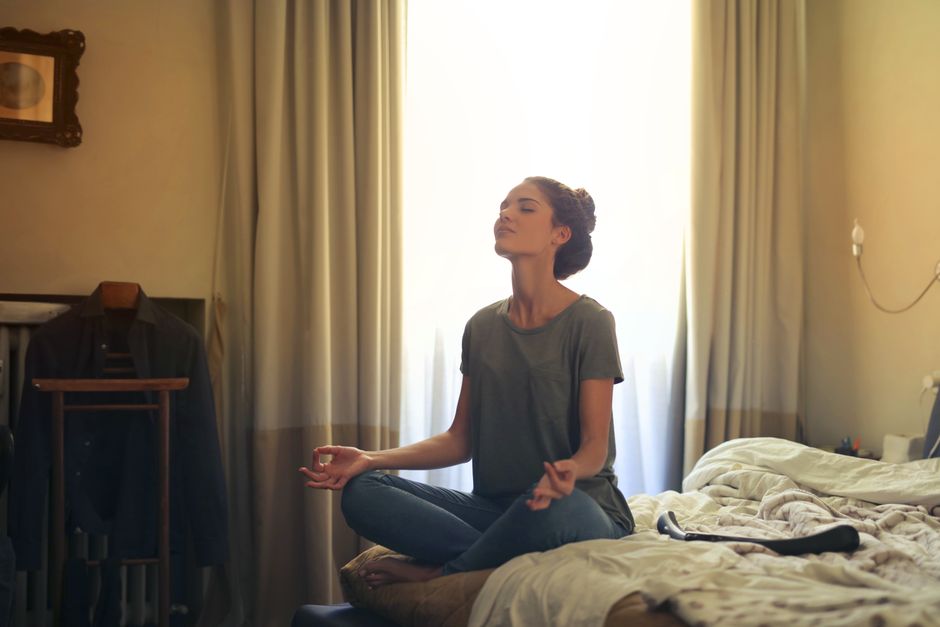
4. Mindful Relaxation or Meditation (10-15 minutes)
Even a short period of mindfulness can significantly quiet a busy mind. There are numerous apps (like Calm or Headspace) that offer guided meditations specifically for sleep, though remember to use them with headphones and in ‘night mode’ or on a non-backlit device if possible. Alternatively, simply focus on your breath, counting your inhales and exhales, or practicing progressive muscle relaxation. This practice is vital for mental health, helping to process the day’s stresses and anxieties.

5. Prepare for the Next Day (10-15 minutes)
A small amount of preparation for the morning can reduce anxiety and create a smoother start to your day. This could involve laying out clothes, packing your lunch, or making a short to-do list for tomorrow. The key is to keep it brief and focused, not to start a new project. Knowing things are organized can prevent your mind from racing with ‘what ifs’ once you’re in bed. This small act of control can be particularly helpful for busy city residents balancing work and family life.
Troubleshooting and Adapting Your Routine
No two people are exactly alike, and what works for one person in North America might not be ideal for another in South America or Europe. It’s about finding what resonates with you and being flexible.
Create a Simple Weekly Wellness Check-In: A Realistic Checklist for Busy Parents
Consistency is Key, Not Perfection
Don’t get discouraged if you miss a step or have an off night. The goal is to build a consistent habit over time. The more regularly you follow your routine, the more your body and mind will associate these activities with sleep. It’s about creating a predictable signal.
Listen to Your Body
Pay attention to what makes you feel more relaxed and what leaves you feeling stimulated. Some find herbal teas like chamomile or valerian root helpful; others might find certain scents or sounds particularly calming. Experiment to discover your personal preferences. Just remember to consult a healthcare professional before trying new supplements, especially if you’re on medication.
Address Underlying Issues
While a good routine is powerful, it might not solve all sleep problems. If you consistently struggle with insomnia, chronic fatigue, or significant mental health challenges like anxiety or depression, it’s crucial to seek professional help. Your GP, whether in the UK’s NHS system or a private practice in the US, can offer guidance or refer you to a sleep specialist or therapist.
FAQ: Your Night Routine After Screen-Heavy Days
What is the ideal digital cut-off time for better sleep?
Ideally, aim to stop using all non-essential screens at least one to two hours before your intended bedtime. This allows your brain to reduce blue light exposure and cognitive stimulation, promoting natural melatonin production and preparing your mind for rest, improving overall sleep hygiene.
How does blue light impact sleep and mental health?
Blue light, emitted by electronic screens, suppresses the body’s production of melatonin, the hormone that regulates sleep. This disruption can delay sleep onset, reduce sleep quality, and contribute to feelings of fatigue, anxiety, and irritability, negatively affecting mental health.
Can a warm bath truly help with sleep?
Yes, a warm bath or shower before bed can be very effective. The warm water helps relax your muscles and increase blood flow. As your body cools down afterward, this temperature drop signals to your brain that it’s time to sleep, facilitating a smoother transition to rest.
What non-screen activities are best for winding down?
Effective non-screen activities include reading a physical book, listening to calming music or a gentle podcast, journaling, or engaging in a relaxing hobby like knitting or drawing. The key is to choose something that engages your mind gently without stimulating it too much.
How does a consistent night routine benefit mental health?
A consistent night routine helps regulate your circadian rhythm, leading to more restorative sleep. Better sleep reduces stress hormones, improves mood regulation, enhances cognitive function, and strengthens resilience against daily stressors, all contributing positively to mental health.
Is it okay to watch TV before bed if I use a blue light filter?
While a blue light filter helps reduce the impact of light on melatonin, watching TV can still be stimulating due to the content. Thrilling shows or news can keep your mind active. For optimal sleep hygiene, it’s generally better to switch to less stimulating activities for at least an hour before bed.
Embracing a Calmer Evening for a Better Tomorrow
Building a calm night routine after screen-heavy days isn’t about deprivation; it’s about giving yourself the gift of quality rest and better mental health. It’s a deliberate act of self-care, a way to reclaim your evenings from the digital demands of modern life. By implementing even a few of these practical steps, whether you’re in the bustling streets of New York, the historic avenues of Rome, or the vibrant neighborhoods of Buenos Aires, you can significantly improve your sleep hygiene and overall well-being. Start small, be consistent, and observe the transformative power of a truly restful night. Ready to explore more ways to enhance your well-being? Read more health and wellness guides on Le Daily Post.