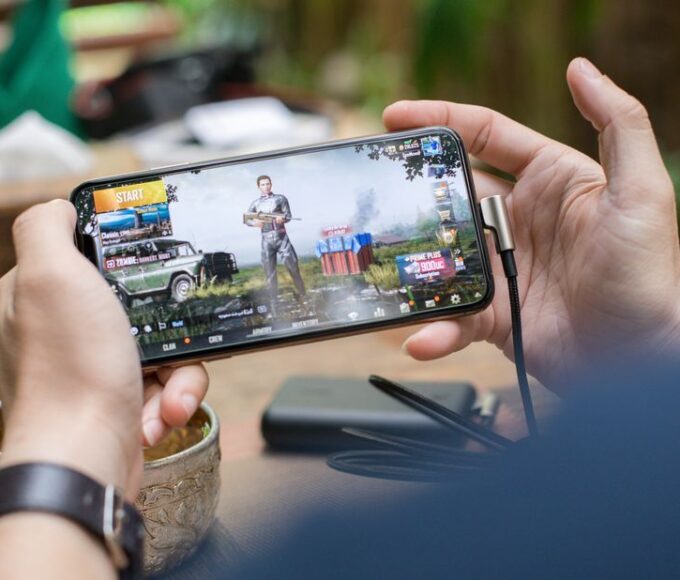


When you’re constantly on the move, whether it’s a transatlantic flight, a road trip across North America, or just commuting in a busy European city, having the best handheld gaming devices for travel can transform downtime into engaging play. It’s not just about what fits in your bag; it’s about what delivers a satisfying experience without becoming another travel burden. We’ll explore the real-world performance, practical considerations, and regional availability of top contenders like the Steam Deck and Nintendo Switch, helping you make an informed choice.
Choosing the right device means thinking beyond raw specs. Will it survive a bumpy bus ride through the Andes? Can you easily find accessories in major European tech stores, or will you be out of luck if a charger breaks in a smaller town in South America? These are the practical questions that truly define the best handheld gaming devices for travel.
No matter if you’re a seasoned PC gamer craving your Steam library on the go or a casual player looking for reliable entertainment, the market now offers compelling options that blend portability with impressive performance. Forget the days of chunky, underpowered portables; today’s handhelds are miniature powerhouses.
The Contenders: Steam Deck vs. Nintendo Switch vs. Handheld PCs
At the top of the heap for travel gaming, we primarily see three categories: Valve’s Steam Deck, Nintendo’s ubiquitous Switch, and the growing segment of Windows-based handheld gaming PCs. Each has distinct advantages and disadvantages when you’re considering a device for a trip, whether it’s a quick weekend getaway or an extended stay abroad.
Valve Steam Deck: Your PC Library in Your Hand
The Steam Deck has been a revelation for PC gamers. It essentially puts your Steam library into a portable format, allowing you to pick up where you left off in titles like Cyberpunk 2077 or Baldur’s Gate 3, even without an internet connection. This is a huge draw for those long-haul flights or remote cabins.
- Pros for Travel: Access to a massive PC game library, impressive raw performance for its size, flexible Linux-based OS that can even run Windows (with some effort). The ability to suspend and resume games quickly is invaluable when you have short windows of play time. The hardware feels sturdy and well-built, capable of handling the rigors of travel.
- Cons for Travel: Battery life varies wildly with game demand, often ranging from 1.5 to 5 hours for demanding titles. This means carrying a power bank is almost mandatory for longer journeys. It’s also physically larger and heavier than a Switch, which can be a factor in cramped airplane seats or smaller bags. Charging brick is proprietary and somewhat bulky.
- Regional Considerations: The Steam Deck is widely available in North America and Europe, with good official support. In parts of South America, official distribution might be less direct, potentially leading to higher prices or reliance on parallel imports. Ensure you have the correct regional charger adapter for your destination.
Nintendo Switch (and Switch Lite/OLED): The Go-To Portable
The Nintendo Switch family remains a dominant force, and for good reason. Its versatility as both a handheld and a TV-connected console makes it incredibly practical for travel, especially for families or those who want to play on a hotel room TV.
- Pros for Travel: Excellent battery life (especially the OLED model), incredibly portable, vast library of exclusive, often family-friendly games (e.g., Mario Kart 8 Deluxe, The Legend of Zelda: Tears of the Kingdom). The detachable Joy-Cons make impromptu multiplayer sessions a breeze – perfect for passing time with a travel companion. Its durability and widespread accessory availability are significant advantages.
- Cons for Travel: Less raw power than the Steam Deck, meaning fewer graphically intense AAA titles (and sometimes lower performance on multi-platform games). Game prices tend to stay higher longer. Limited internal storage often requires an additional microSD card.
- Regional Considerations: The Switch is a global phenomenon. You’ll find games, accessories, and support almost anywhere you travel, from major cities in Europe to smaller towns in North America and bustling markets in South America. USB-C charging is a major plus, as many modern phones and laptops use the same standard, reducing cable clutter.
Other Handheld Gaming PCs: More Power, More Complexity
Brands like ASUS (ROG Ally), Lenovo (Legion Go), and Ayaneo offer Windows-based handhelds that are often more powerful than the Steam Deck. They run full Windows, meaning complete compatibility with all PC game launchers (Steam, Epic, GOG, Xbox Game Pass for PC).
- Pros for Travel: Top-tier performance, native Windows compatibility for a truly unrestricted PC gaming experience, often higher resolution screens than the Steam Deck. Some, like the Legion Go, offer larger displays and unique features.
- Cons for Travel: Generally more expensive than the Steam Deck or Switch. Battery life can be even worse than the Steam Deck due to higher performance demands and running Windows, which isn’t optimized for handheld use. Windows itself can be clunky on a small screen with controller input. These devices often run hotter and louder under load.
- Regional Considerations: While available in major tech markets in North America and Europe, their presence in South America can be more limited, often requiring import or specialist retailers. Repairs and warranty support might be trickier to manage internationally.
Practical Considerations for Travel Gaming
Beyond the raw specs and game libraries, travel introduces its own set of challenges and requirements for your gaming device. Thinking through these points will help you choose the best handheld gaming devices for travel that truly fit your lifestyle.
The Rise of AI in Games: Better NPCs, Smarter Worlds, and New Risks
Battery Life and Charging Solutions
This is arguably the most critical factor for travel. A device that dies after an hour isn’t useful on a 10-hour flight. The Nintendo Switch generally excels here, especially the OLED model, offering 4.5-9 hours of play. The Steam Deck and other PC handhelds typically offer 2-5 hours for most AAA games. You’ll want to invest in a good quality portable power bank. Look for one with Power Delivery (PD) and at least 45W output to efficiently charge devices like the Steam Deck or ROG Ally. For Europe, North America, and South America, USB-C is becoming universal, making charging more convenient, but always pack appropriate wall adapters.
Portability and Durability
How much space does it take up? How heavy is it? Can it withstand being jostled in a backpack? The Switch Lite is king for minimalists, but even the regular Switch is very manageable. The Steam Deck and its PC counterparts are noticeably bulkier. A good protective case is non-negotiable for any of these devices if you plan on throwing them into a travel bag. Consider hard-shell cases for added protection against bumps and drops.
Game Availability and Offline Play
Make sure the games you want to play can be accessed and played offline. While most digital libraries allow downloads, some games require online activation or periodic checks. For Steam Deck, ensure games are ‘Steam Deck Verified’ for optimal experience and download them before you leave Wi-Fi. The Switch excels in offline play; most cartridge games and downloaded eShop titles are fully functional without an internet connection.
Online Gaming and Connectivity
If you plan on playing multiplayer games, consider the Wi-Fi availability and quality at your destinations. Hotel Wi-Fi can be notoriously unreliable. While not strictly for gaming, a portable Wi-Fi hotspot or a phone’s tethering feature can be a lifesaver for updates or quick online sessions, particularly in regions with less ubiquitous free public Wi-Fi.
Accessories: Must-Haves for the Road
A few essential accessories can make or break your travel gaming experience:
- Protective Case: Absolutely essential.
- High-Capacity Power Bank: As discussed, especially for PC handhelds.
- USB-C Cable and Wall Adapter: Universal charging is a blessing.
- MicroSD Card: For extra storage, especially on Switch and Steam Deck.
- Headphones: To avoid disturbing fellow travelers or for immersive play.
- Screen Protector: To guard against scratches on the go.
Specific Gaming Ecosystems and Travel
Playing Roblox or Minecraft on the Go
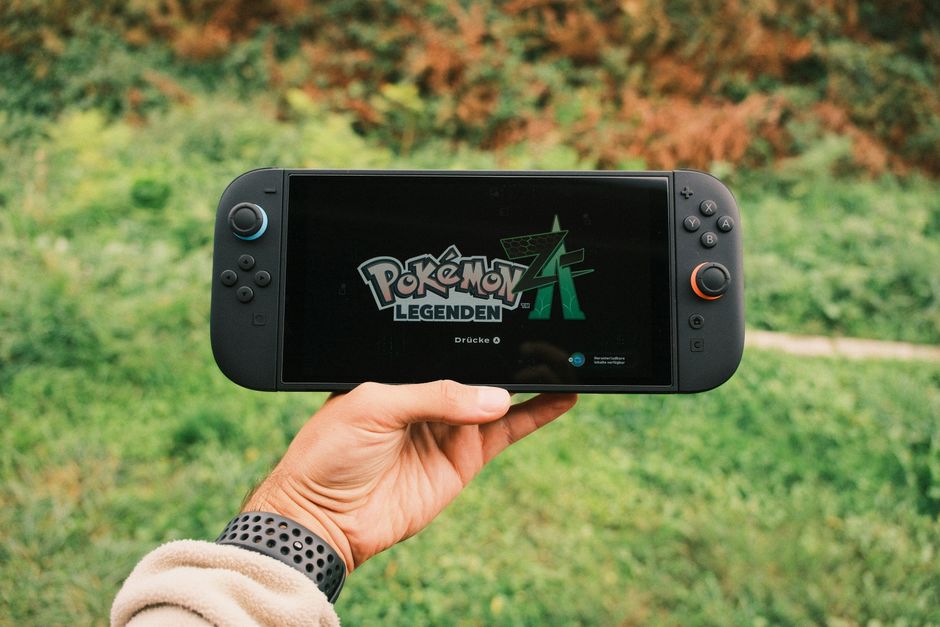
Can you play Roblox and Minecraft on the best handheld gaming devices for travel? Absolutely. The Nintendo Switch offers dedicated versions of both Roblox and Minecraft, making them easily accessible for younger travelers or fans of these creative games. On the Steam Deck and other handheld PCs, you can install and play the PC versions of both Roblox and Minecraft (Java or Bedrock) without issues, offering the full experience with modding capabilities if desired. This makes these devices very versatile for a wide range of player ages and preferences across all geographic regions.
Bringing Your PlayStation Library on the Road
How can I play my PlayStation games on a handheld while traveling? While there isn’t a direct ‘PlayStation handheld’ in the vein of the Switch or Steam Deck that runs native PlayStation 5 games, you have two primary options. The PlayStation Portal allows you to stream games from your PS5 over Wi-Fi, which is fantastic for home use but less practical for travel unless you have exceptionally stable and fast internet, potentially with your PS5 left powered on at home. Alternatively, a Steam Deck or other Windows handheld PC can be used for PS Remote Play or cloud streaming services (like PlayStation Plus Premium) to stream games from your PS5 or Sony’s cloud servers, provided you have a strong internet connection. This requires a stable internet connection, which can be hit-or-miss in various travel scenarios across Europe, North America, and South America.
PC vs Console vs Handheld: Which Gaming Setup Fits Your Lifestyle?
Considering Regional Differences
While the core devices remain the same, availability, pricing, and after-sales support can vary significantly across regions. In North America and Europe, major retailers and online stores make purchasing straightforward. In parts of South America, importing devices might be more common, which can affect warranty claims or local repairs. Always check voltage requirements for chargers – most modern devices are multi-voltage, but adapters for different plug types (Type A/B for North America, Type C/F for much of Europe, Type L for Italy, etc.) are essential.
FAQ: Answering Your Travel Gaming Questions
Which handheld has the best battery life for long trips?
The Nintendo Switch OLED model generally offers the best battery life among the top contenders, often lasting 4.5-9 hours depending on the game. While the Steam Deck and other PC handhelds are more powerful, their battery life for demanding titles typically ranges from 1.5-5 hours, making a portable power bank essential for longer journeys.
Is the Steam Deck too big to travel with?
The Steam Deck is noticeably larger and heavier than the Nintendo Switch. While it fits in most backpacks and carry-on bags, its size can be a factor in cramped spaces like airplane tray tables or very small personal bags. A dedicated travel case helps manage its bulk and protect it from damage.
Can I download games and play them offline on these devices?
Yes, all major handheld gaming devices allow you to download games and play them offline. For Steam Deck and other PC handhelds, ensure your games are fully downloaded and any DRM checks are completed before losing internet access. Nintendo Switch games from cartridges or eShop downloads are typically fully playable offline.
Are travel warranties important for handheld gaming devices?
Yes, travel warranties can be important, especially for higher-value devices like the Steam Deck or other PC handhelds. Check the manufacturer’s international warranty policy before you travel. In some regions, like parts of South America, getting local service for internationally purchased devices can be challenging, making a solid warranty or travel insurance crucial.
What’s the best option for casual gaming during short commutes?
For short commutes, the Nintendo Switch Lite or the regular Nintendo Switch is often the best option. Their instant-on nature, excellent battery life, and compact design make them ideal for quick gaming sessions on a bus, train, or subway, whether you’re in London, New York, or Buenos Aires.
The Right Choice for Your Journey
Ultimately, the best handheld gaming devices for travel depend entirely on your personal priorities. If your priority is unfettered access to your PC game library, new graphics, and don’t mind carrying a larger device and power bank, a Steam Deck or another powerful handheld PC is likely your best bet. If you value solid battery life, an incredible library of exclusives, and unparalleled convenience for yourself or family, the Nintendo Switch remains a formidable champion. Both offer distinct advantages for gamers exploring Europe, North America, or South America.
No matter which you choose, prepare your device with downloaded games, proper charging gear, and a protective case, and you’ll transform travel downtime into exciting gaming sessions. Discover more gaming guides and insights on Le Daily Post.