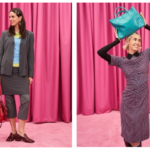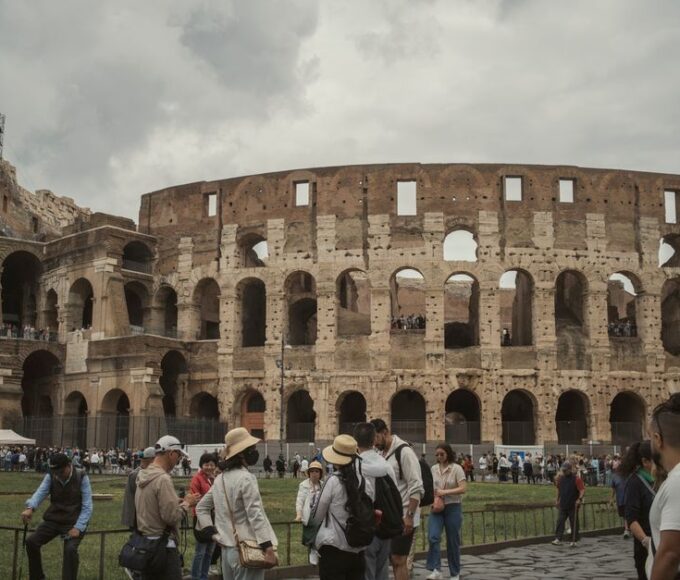

To truly avoid overpacking for city trips, focus on a capsule wardrobe built around versatile, neutral pieces that can be mixed and matched for multiple outfits. Prioritize multi-functional items like a scarf that doubles as a wrap, and always wear your heaviest shoes and jacket on the plane. Limit toiletries to travel-sized essentials and leverage packing cubes to compress clothes efficiently. For destinations like New York, Rome, or Buenos Aires, consider the local climate and typical activities to make informed decisions about necessary attire, opting for layers over bulky individual items.
Tired of wrestling a bulging suitcase onto a train or paying extra for checked luggage when you just want to explore a new city? You’re not alone. The promise of Instagram-perfect outfits often clashes with the reality of aching shoulders and cramped overhead bins. Understanding what actually helps when you need to avoid overpacking for city trips isn’t about magical solutions; it’s about practical, often counter-intuitive choices that make a real difference.
Whether you’re planning a weekend getaway to an ancient European capital or a longer urban adventure across the Americas, the goal is the same: maximum flexibility with minimal bulk. Forget the ‘just in case’ items; we’re talking strategic packing that ensures you have what you need without carrying what you don’t. It’s a skill, and one that gets easier with every successful trip.
A common mistake is thinking you need a completely different outfit for every single day or activity. In practice, city travel often involves a lot of walking, cafe hopping, museum visits, and a nice dinner out. These activities don’t demand a vast wardrobe if you plan smartly.
The Mindset Shift: From Accumulation to Versatility
Before you even open your suitcase, the most crucial step is a mental one. Shift your focus from ‘what do I want to bring?’ to ‘what do I absolutely need?’ This mindset is what actually helps when you need to avoid overpacking for city trips. Think about the core purpose of your trip. Is it primarily sightseeing in Rome, a business-casual conference in New York, or dancing tango in Buenos Aires? Each scenario dictates a slightly different packing list.
Build Your Core Capsule Wardrobe
This is where the magic happens. A capsule wardrobe for travel means selecting a limited number of items that can be mixed and matched to create numerous outfits. Think neutral colors – black, white, gray, navy, beige – as your foundation, then add 1-2 accent colors with tops or accessories. For a 5-7 day city trip, consider:
- 3-4 tops (t-shirts, blouses, light sweaters)
- 2-3 bottoms (jeans, versatile trousers, a skirt)
- 1-2 dresses (if your style, can be dressed up or down)
- 1 light jacket or blazer (depending on weather)
- 1 outer layer (rain jacket or warmer coat, worn on the plane)
For a city like New York, where you might go from walking Central Park to a Broadway show, a pair of dark wash jeans, a nice blouse, and a black blazer can take you far. Add a simple black dress and you’re covered for most evening activities. In Buenos Aires, where evenings can be cooler even after warm days, layering is key. A light sweater over a t-shirt works well.
Multi-Functional Items are Your Best Friends
This is a non-negotiable strategy for avoiding overpacking. A large scarf can be a blanket on the plane, a shawl for cooler evenings, a head covering for religious sites in Europe, or even an impromptu beach cover-up. Pack shoes that serve multiple purposes – comfortable walking shoes that also look presentable for a casual dinner. For exploring the historic center of Rome, comfortable, supportive shoes are paramount, but they don’t have to be clunky hiking boots. Think stylish sneakers like Vejas or comfortable loafers.
The Logistics: Smart Packing Techniques and Gear
Even with a perfectly curated wardrobe, inefficient packing can still lead to a bulky bag. These techniques are what actually helps when you need to avoid overpacking for city trips from a practical perspective.
How to Plan a Multi-Country Europe Trip Without Overpacking Your Itinerary
Embrace Packing Cubes (and learn to use them right)
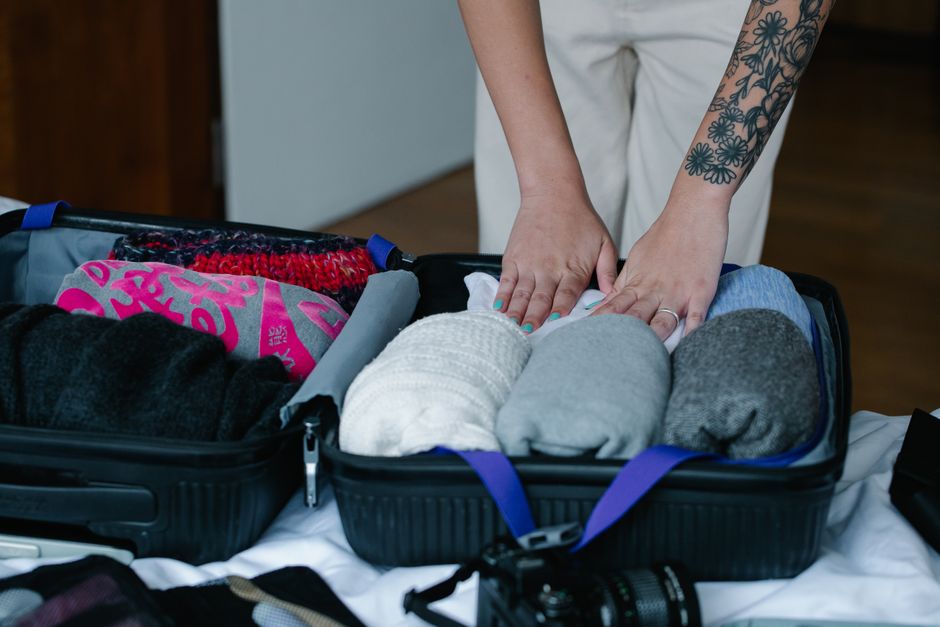
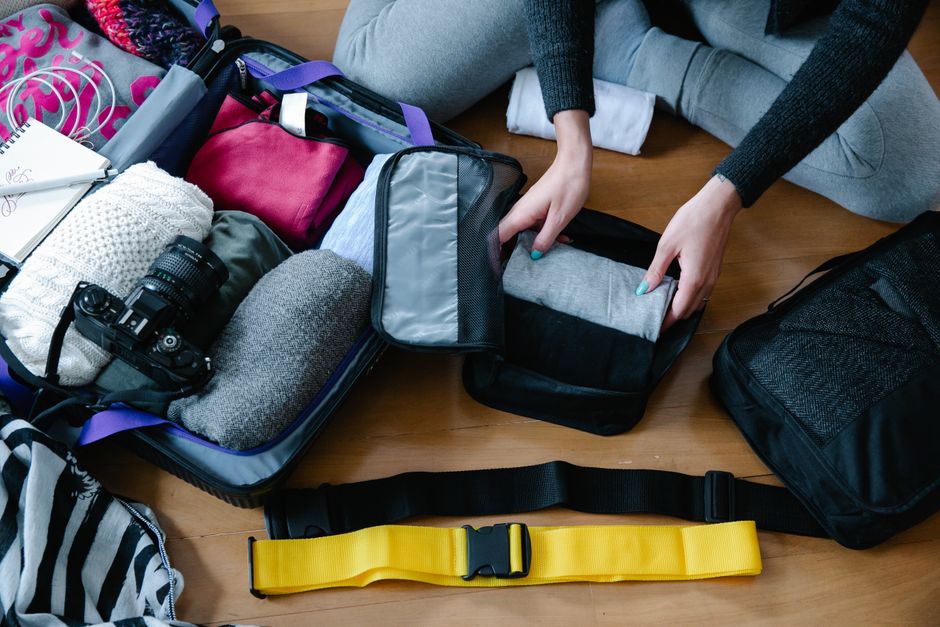
Packing cubes aren’t just for organization; they’re excellent for compression. Don’t just toss clothes into them; roll your items tightly or use the KonMari folding method before placing them in the cubes. This removes air and creates denser, more compact bundles. Eagle Creek or Calpak are popular brands, but even budget-friendly sets from Amazon can make a huge difference. You’ll be amazed at how much more space you have in your carry-on.
The Art of the Travel-Sized Toiletries
Unless you have very specific product needs, resist bringing full-sized bottles. Decant your favorite shampoo, conditioner, and lotions into reusable travel-sized containers (3.4 ounces/100ml or less for carry-on). Brands like Cadence make stylish and leak-proof options. Most hotels in Europe and North America provide basic toiletries, so check ahead. For a few days in, say, Paris, you might only need your toothbrush and prescription items, relying on hotel amenities for the rest.
Wear Your Bulkiest Items
This is classic advice for a reason: it works. Wear your heaviest shoes (boots, sturdy sneakers) and your bulkiest jacket/coat on the plane. This immediately frees up significant space and weight in your luggage. If you’re heading to a colder climate, like New York in winter, this could mean wearing your winter coat and boots, even if you shed layers once you land.
Destination-Specific Considerations: What to Think About Locally
While the core principles remain, what actually helps when you need to avoid overpacking for city trips often involves tailoring your list to the specific destination.
Europe: Cobblestones, Churches, and Chic Cafes
Cities like Rome, Paris, or Barcelona mean lots of walking. Comfortable shoes are non-negotiable. Many churches require modest attire (shoulders and knees covered), so a versatile scarf or a pair of longer shorts/skirt can be helpful. European fashion tends to be more understated and classic; blending in often means neutrals and well-tailored pieces rather than bright, athletic wear. Power adapters are essential, but consider if you truly need every electronic device.
North America: Diverse Climates and Urban Adventures
New York can swing from humid summers to freezing winters, so checking the forecast is critical. Layers are your friend. For a week in NYC, you might need comfortable walking shoes, something a little dressier for an evening out, and practical outerwear. Consider the specific activities: if you’re hitting museums, comfort is key; if it’s a gourmet trip, you might want a couple of nicer outfits. For a city like Vancouver or Montreal, be prepared for rain and cooler temperatures.
South America: Vibrant Culture and Varied Terrain
Buenos Aires offers hot summers and mild winters, with a vibrant nightlife that encourages dressing up. Pack versatile items that can transition from day exploration to evening milongas (tango halls). Comfortable walking shoes are vital for exploring neighborhoods like La Boca or Recoleta. In cities like Cusco or La Paz, altitude means temperature can drop quickly, so layers are essential, even on sunny days. Don’t forget a universal adapter, as plug types vary across the continent.
The Final Edit: Before You Zip It Up
Once you think you’ve packed, do one last ruthless edit. Take out one item. Seriously. You likely won’t miss it. This final step is often what actually helps when you need to avoid overpacking for city trips. Ask yourself:
Europe vs South America vs North America: Where to Travel First in 2026
- Can this item be worn with at least three other items in my bag?
- Do I have a specific plan for using this? (e.g., ‘This outfit is for dinner on Tuesday,’ not ‘I might wear this if it gets cold.’)
- Is there a lighter, smaller, or multi-functional alternative?
Don’t forget essentials like a small reusable bag for souvenirs or groceries, and a portable charger for your phone. These small additions are far more useful than an extra pair of shoes.
Frequently Asked Questions About Avoiding Overpacking
What’s the best strategy for packing shoes for a city trip?
Limit yourself to 2-3 pairs maximum: wear your bulkiest/heaviest pair on the plane. Pack one comfortable walking shoe (like sneakers or sturdy flats) and one versatile shoe that can be dressed up or down (e.g., minimalist boots, stylish loafers, or low heels). Ensure they’re all comfortable enough for extended walking.
How do I pack for different climates within one city trip?
The key is layering. Pack lightweight, breathable base layers, a couple of mid-layers (long-sleeved tops, light sweaters), and one versatile outer layer (a waterproof jacket or light coat) that can accommodate temperature swings. Avoid bulky items that only serve one extreme. Wearing your heaviest outer layer is crucial.
Should I bring a travel pillow and blanket for the plane?
Consider if the space they take up is worth the comfort. Many airlines provide these on longer flights. If you must bring them, opt for inflatable travel pillows that pack down small. A large, multi-purpose scarf can often serve as a light blanket without adding significant bulk.
What about electronics – how many should I bring?
Prioritize. Bring your phone, charger, and a portable power bank. A tablet or e-reader is often lighter and more versatile than a laptop for leisure travel. Only bring cameras, headphones, or other gadgets if you’re sure you’ll use them extensively. Remember necessary adapters and converters for different regions like Europe or South America.
How can I avoid bringing too many ‘just in case’ items?
Be ruthless. For every ‘just in case’ item, ask yourself: ‘What’s the worst-case scenario if I don’t have this, and can I buy it or improvise if needed?’ For most common items (basic toiletries, extra layers), the answer is yes. Trust that you can acquire minor necessities at your destination.
Is it better to roll or fold clothes to save space?
Rolling clothes tightly is generally more effective for saving space and reducing wrinkles, especially for items like t-shirts, jeans, and socks. For bulkier items or structured garments like blazers, folding might be better to maintain shape. A combination of both, often with packing cubes, yields the best results.
Conclusion
Ultimately, learning what actually helps when you need to avoid overpacking for city trips boils down to thoughtful planning and disciplined execution. It’s a skill that improves with practice, saving you time, stress, and often, money on baggage fees. By focusing on versatility, employing smart packing techniques, and tailoring your choices to your specific destination, you’ll find yourself moving through cities like New York, Rome, or Buenos Aires with ease, ready to embrace every experience without the burden of unnecessary luggage.
Ready to make your next trip smoother? Plan smarter trips with Le Daily Post.