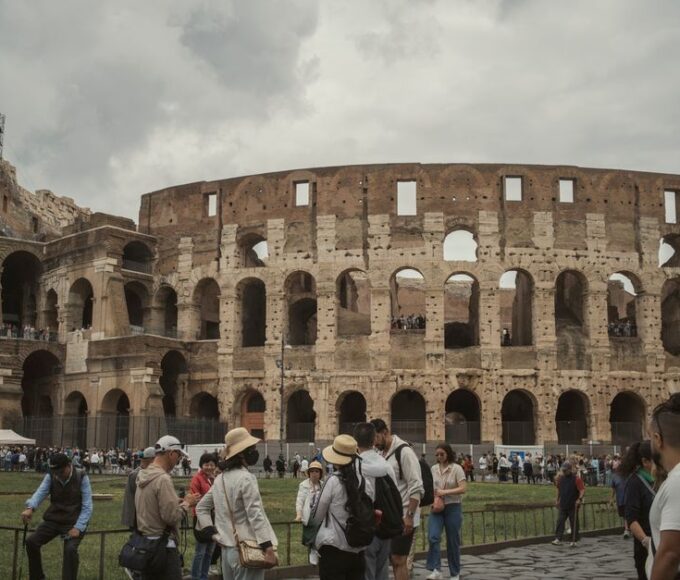

We’ve all seen the iconic images: the Louvre’s endless halls, the bustling markets of Mexico City, the vibrant streets of Paris. These places are undeniably rich in culture, but for many, particularly families balancing budgets and young children, the reality of navigating them can be a different story. Think packed subways, long lines, and the sheer mental exhaustion of constant motion. It often feels less like an enriching cultural immersion and more like an endurance test.
There’s a growing appreciation for a different kind of travel, one that foregrounds genuine connection over endless checklists. It’s about savoring a morning coffee at a local patisserie, rather than rushing through a Starbucks. It’s about letting a museum’s collection truly resonate, instead of feeling pressured to see everything in an hour. This shift in mindset points directly to the immense appeal of choosing from the small cities for culture without big-city stress.
Why Small Cities Are the New Cultural Powerhouses
The allure of a massive metropolis is obvious: endless options, world-class institutions, and a palpable energy. But that energy often comes with significant drawbacks for the budget-conscious family or the traveler seeking a slower pace. Consider the cost of accommodation in Paris or the time spent in traffic in Mexico City. Small cities, by contrast, often offer a more concentrated, digestible, and affordable cultural experience. You can walk almost everywhere, the crowds are manageable, and the local community often feels more accessible.
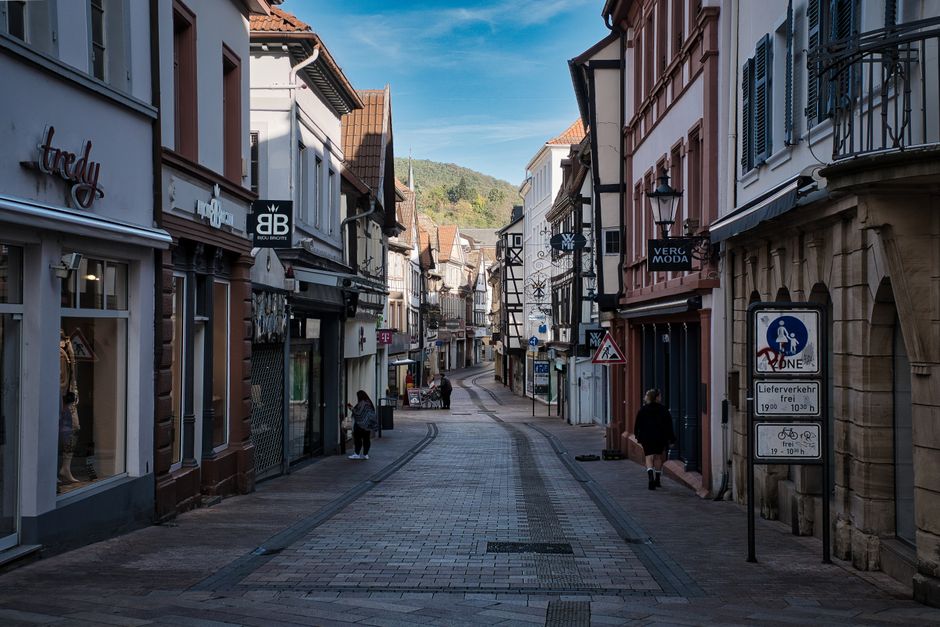
These destinations aren’t just scaled-down versions of their larger counterparts; they possess a distinct character, often preserving traditions and art forms that might be diluted in a globalized capital. From regional cuisine to specific craft traditions, small cities frequently offer a more authentic window into a country’s heritage. They allow for a deeper dive into specific niches – be it Roman ruins, specific art movements, or unique culinary traditions – without the overwhelm.
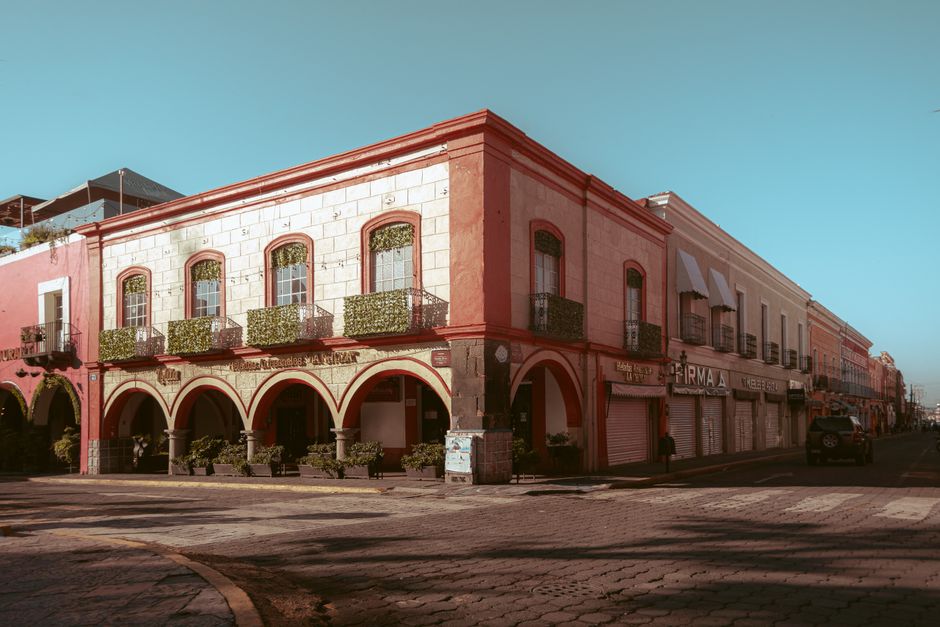
Making Your Choice: Tips for Finding Your Perfect Cultural Haven
When you’re choosing from the small cities for culture without big-city stress, a little research goes a long way. It’s not just about looking up museums; it’s about understanding the rhythm of a place. Here’s how to approach it:
1. Define Your Cultural Priorities
Are you chasing art, history, music, or food? Some small cities excel in one area. For example, Siena, Italy, is a medieval history and architecture goldmine, while Parma, Italy, is a gastronomic wonderland. Knowing what truly excites your family helps narrow the field considerably. If your kids love ancient history, a town near Roman ruins might be better than a contemporary art hub.
2. Consider Walkability and Public Transport
A key advantage of small cities is ease of navigation. Look for places where the main cultural attractions are concentrated and walkable. This cuts down on transport costs and wasted time. Good local bus systems are a bonus, but avoid places where a car is essential unless you specifically want a driving holiday.
3. Research Local Festivals and Events
Many small cities come alive during specific festivals. Imagine attending the JazzFest in Montreux, Switzerland, or a traditional harvest festival in Guanajuato, Mexico. These events can transform a pleasant visit into an unforgettable cultural immersion, but also consider if you prefer the quiet or the buzz.
Europe vs South America vs North America: Where to Travel First in 2026
4. Look for Unique, Niche Museums
Beyond the famous names, small cities often house fascinating, specialized museums. Think about the quirky Museum of Miniatures in Lyon, France, or the Frida Kahlo Museum (Casa Azul) in Coyoacán, a charming, distinct neighborhood of Mexico City that feels like a small town. These often provide a more intimate and memorable experience than grand, sprawling institutions.
5. Prioritize Culinary Experiences
Food is culture. Seek out small cities renowned for specific regional dishes, local markets, and traditional cooking classes. This is where you taste the true flavor of a place. Think about Bologna, Italy, the culinary capital of Emilia-Romagna, or Oaxaca, Mexico, famous for its moles and mezcal.
6. Check Accommodation and Dining Costs
One of the biggest perks of small cities is often more affordable living. Research typical prices for hotels, Airbnbs, and restaurant meals. Compare these to what you’d pay in a major capital. This is where your budget-aware family will see significant savings.
7. Read Traveler Reviews with a Grain of Salt
While reviews are helpful, remember that a ‘boring’ review might come from someone expecting a 24/7 party. For families and slow travelers, ‘quiet’ can be a huge positive. Look for reviews that emphasize atmosphere, ease of getting around, and local interaction.
Comparing Cultural Charms: Small City vs. Big City
To illustrate the difference, let’s consider some common travel dilemmas. Instead of the relentless pace of Paris, Mexico City, or even the bustling feel of Vancouver, where else might you look?
| Consider This | Instead of Paris (Europe) | Instead of Mexico City (North America/LatAm) | Instead of Vancouver (North America) |
|---|---|---|---|
| A European Cultural Gem | Florence, Italy: World-class art (Uffizi, Accademia), Renaissance history, walkable core, incredible food. Less overwhelming than Paris, but still deeply rich. | Guanajuato, Mexico: UNESCO heritage site, colorful colonial architecture, vibrant student life, callejoneadas (alleyway serenades), excellent local food. | Victoria, British Columbia, Canada: Historic inner harbour, Royal BC Museum, charming gardens, vibrant arts scene, milder pace than Vancouver. |
| A South American Delight | Cartagena, Colombia: Walled city, vibrant Caribbean culture, colonial architecture, delicious seafood, easily explored on foot. | San Miguel de Allende, Mexico: Stunning baroque architecture, renowned art scene, culinary hotspot, very pedestrian-friendly. | Quebec City, Quebec, Canada: North America’s only walled city, French-Canadian heritage, European charm, rich history, distinct culinary traditions. |
| A North American Contender | Charleston, South Carolina, USA: Deep Southern history, beautiful architecture, acclaimed food scene, horse-drawn carriage tours, very charming. | Santa Fe, New Mexico, USA: Unique Pueblo Revival architecture, thriving arts community, Native American culture, distinctive Southwestern cuisine. | Halifax, Nova Scotia, Canada: Maritime history, lively waterfront, strong Celtic influence, welcoming atmosphere, easily explored. |

Common Mistakes When Planning Small City Cultural Trips
Even with the best intentions, it’s easy to fall into certain traps that can diminish your small city experience. A common mistake is trying to cram too much into a short visit. The beauty of these destinations is their slower pace. Resist the urge to replicate a big-city itinerary, jumping from one attraction to the next. Instead, allow for spontaneous discoveries, long lunches, and simply soaking in the atmosphere.
Another pitfall is underestimating the importance of local language or basic phrases. While many tourist-heavy small cities will have English speakers, making an effort to learn a few greetings or ordering phrases in the local language can significantly enhance your interactions and open doors to more authentic experiences. It shows respect and often leads to warmer responses from locals.
What Actually Helps When You Need to Compare Flights Beyond the Cheapest Fare
Over-reliance on chain restaurants or familiar brands is another missed opportunity. The culinary scene in small cities is often one of its strongest cultural offerings. Seek out local eateries, ask hotel staff for recommendations, and explore farmer’s markets. This is where you’ll find the most authentic and often the most delicious food, frequently at a better price.
Finally, neglecting to research local opening hours and holiday schedules can lead to disappointment. Smaller museums and family-run businesses might have more limited hours or close for siestas or local holidays, especially in Europe and South America. Always double-check before you plan your day, particularly if you have specific attractions in mind.
FAQ: Best Small Cultural Cities for Families
What should readers know about best small cultural cities?
The best small cultural cities offer a more intimate, affordable, and less stressful travel experience than major metropolises. They are perfect for budget-aware families and slow travelers seeking deep cultural immersion through walkable historic centers, unique museums, and authentic local cuisine, all without the overwhelming crowds or high costs of places like Paris or Mexico City.
Are small cultural cities cheaper than big cities?
Generally, yes. Accommodation, dining, and even some attraction entrance fees tend to be more affordable in smaller cities compared to major capitals like Paris, Mexico City, or Vancouver. This makes them an excellent choice for budget-aware families looking to maximize their travel funds while still enjoying rich cultural experiences.
Can I find good museums in small cities?
Absolutely. While they might not house the sheer volume of a city like Paris, many small cities boast highly specialized, well-curated, and often unique museums. These can offer a more focused and digestible cultural experience, often highlighting local history, art forms, or specific cultural figures, making for a truly memorable visit.
How do small cities handle slow travel better?
Small cities are inherently better suited for slow travel due to their compact size and relaxed pace. It’s easier to walk everywhere, linger longer in cafes, and engage more deeply with local life without feeling rushed. This allows for genuine cultural absorption and reduces travel fatigue, which is particularly beneficial for families.
What makes a small city ‘cultural’ for families?
A small city is ‘cultural’ for families when it offers engaging historical sites, accessible museums (perhaps with interactive elements), vibrant local traditions, delicious and approachable food, and opportunities for gentle exploration. The key is a rich environment that’s easy for all ages to enjoy without constant logistical challenges, like Florence or Guanajuato.
When you’re ready to shift your travel perspective and discover the profound beauty and rich experiences found beyond the colossal capitals, choosing from the small cities for culture without big-city stress will open up a world of possibilities. Plan smarter trips with Le Daily Post.