
In a world full of conflicting dietary advice, the Mediterranean diet consistently stands out for its well-documented health benefits. We’re talking about everything from improved heart health to better cognitive function. But for many, especially those navigating the hustle and bustle of city life in places like New York City, São Paulo, or Berlin, the idea of adopting a whole new eating style can feel overwhelming. It’s one thing to read about sunny Mediterranean villages; it’s another to figure out what that means for your Tuesday night dinner when you just finished a long day.
This isn’t about perfectly replicating a Greek island meal every single day. Instead, it’s about Building a Simple Mediterranean-Inspired Meal Plan: What Works in Real Life – practical strategies you can actually stick to, even if your ‘village’ is a high-rise apartment and your ‘farm’ is the produce aisle at your local grocery store. We’ll cut through the noise and get down to brass tacks, offering actionable advice for incorporating this healthy lifestyle into your urban routine, whether you’re in North America, South America, or Europe.

Understanding the Mediterranean Blueprint: Beyond the Buzzwords
Before we dive into meal planning, let’s clarify what a Mediterranean-inspired diet truly entails. It’s less a rigid diet plan and more a lifestyle pattern. Think fresh, seasonal, and minimally processed. Olive oil is king, not just a condiment. Vegetables, fruits, whole grains, and legumes form the backbone, with fish and poultry making regular appearances, while red meat and sweets are reserved for special occasions. It’s about balance, enjoyment, and often, shared meals.
A common mistake for Mediterranean meal plan beginners is trying to overhaul everything at once. This often leads to burnout and giving up. Instead, focus on small, sustainable shifts. Start by adding more vegetables to your plate or swapping out butter for olive oil. Incremental changes are key to long-term success, especially when you’re adapting to new routines and ingredient sourcing in a city environment.
The Core Pillars: What to Prioritize
- Loads of Vegetables and Fruits: Aim for variety and color. Think spinach, bell peppers, tomatoes, berries, oranges. Farmers’ markets in cities like Paris or Bogotá offer fantastic seasonal options.
- Whole Grains: Opt for choices like whole wheat pasta, brown rice, quinoa, and oats. These provide sustained energy and fiber. Brands like Barilla (whole wheat) are widely available.
- Legumes, Nuts, and Seeds: Lentils, chickpeas, black beans, almonds, walnuts, chia seeds. These are powerhouses of protein and healthy fats. They’re also incredibly shelf-stable and cost-effective.
- Olive Oil: Extra virgin olive oil is preferred for cooking and dressings. It’s a monounsaturated fat that’s great for heart health. Look for bottles from Greece, Italy, or Spain.
- Fish and Seafood: Incorporate fish like salmon, sardines, or mackerel a couple of times a week. Many urban fishmongers offer fresh, sustainable options.
- Poultry, Eggs, and Dairy: Moderate amounts. Think Greek yogurt for breakfast or a lean chicken breast a few times a week.
- Red Wine (in moderation): Optional, and only if you already drink alcohol.
Strategic Shopping for City Dwellers: Making it Work
One of the biggest hurdles for city residents is sourcing ingredients and navigating crowded grocery stores. Whether you’re in Vancouver or Lisbon, strategic shopping is paramount. This isn’t about buying everything organic or imported; it’s about making smart choices that fit your budget and lifestyle.
Supermarket Savvy
Major grocery chains like Kroger in the US, Carrefour in Europe, or Pão de Açúcar in Brazil often have extensive produce sections. Look for sales on seasonal fruits and vegetables. Don’t shy away from frozen vegetables; they’re often picked at peak ripeness and retain their nutrients, offering convenience without compromise. Canned beans and lentils are also fantastic pantry staples.
How to Stay Healthy While Traveling Across Different Climates
Farmers’ Markets and Specialty Stores
If your city has a vibrant farmers’ market, take advantage of it. You’ll often find fresher, more diverse produce and sometimes even local olive oils. Specialty stores, like Italian delis, can be great for sourcing high-quality olives, cheeses, and artisanal bread. While these might be a bit pricier, they can add authentic flavor without breaking the bank if used judiciously.
Online Delivery Services
Many urban areas now boast solid grocery delivery services (e.g., Instacart, Mercado Libre, Uber Eats in various regions). This can save significant time and effort, allowing you to plan your meals and order exactly what you need from the comfort of your home or office. Just be mindful of delivery fees and minimum order requirements.
Building Your Simple Mediterranean Meal Plan: A Week at a Glance
The beauty of a Mediterranean-inspired plan is its flexibility. This isn’t a rigid calorie-counting exercise. Instead, focus on filling your plate with the good stuff and enjoying your food. Here’s a practical, real-life approach for Mediterranean meal plan beginners.

Breakfast Ideas (Quick & Easy)
- Greek Yogurt Power Bowl: Plain Greek yogurt with berries (fresh or frozen), a sprinkle of walnuts or almonds, and a drizzle of honey.
- Oatmeal with Fruit: Rolled oats cooked with water or milk, topped with sliced banana, a spoonful of chia seeds, and a dash of cinnamon.
- Whole-Wheat Toast with Avocado: A slice of whole-wheat toast topped with mashed avocado, a pinch of red pepper flakes, and a squeeze of lemon. Add a hard-boiled egg for extra protein.
Lunch Ideas (Batch Prep Friendly)
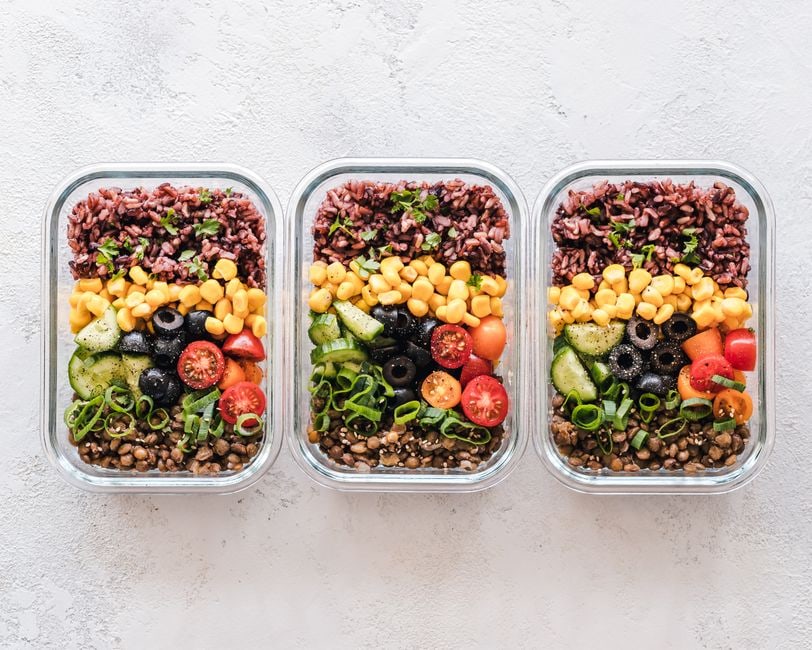
- Big Salad: Mixed greens, chickpeas, cucumber, tomatoes, bell peppers, olives, feta cheese (optional), and a simple olive oil and red wine vinegar dressing. Add canned tuna or leftover grilled chicken for protein.
- Lentil Soup: A hearty lentil soup, made ahead in a large batch. It’s warming, filling, and packed with nutrients. Serve with a slice of crusty whole-wheat bread.
- Whole-Wheat Pita with Hummus & Veggies: Spread hummus inside a whole-wheat pita and stuff with sliced carrots, cucumber, and bell peppers.
Dinner Ideas (Effort Levels Vary)
- Sheet Pan Salmon & Veggies: Toss salmon fillets and chopped vegetables (broccoli, bell peppers, zucchini) with olive oil, salt, pepper, and herbs. Roast until cooked through. Minimal cleanup!
- Whole-Wheat Pasta with Marinara & White Beans: Use a good quality marinara sauce, add canned white beans for protein, and serve over whole-wheat pasta. Garnish with fresh basil.
- Chicken & Quinoa Bowl: Grilled or baked chicken breast (batch cooked earlier in the week) served over quinoa with roasted vegetables.
Snacks (Keep it Simple)
- A handful of almonds or walnuts
- An apple or orange
- Baby carrots and hummus
- A small handful of olives
Beyond the Plate: Lifestyle Factors in Urban Environments
The Mediterranean approach isn’t just about food; it’s about a holistic lifestyle. For city residents, this often means being mindful of environmental factors and incorporating physical activity.
Air Quality and Outdoor Activity
Living in a city often means contending with varying air quality. The CDC (Centers for Disease Control and Prevention) recommends checking local air quality reports, especially on high pollution days, before engaging in strenuous outdoor exercise. On days when air quality is poor, consider indoor alternatives like gym workouts, swimming, or home exercises. When air quality is good, walking is a fantastic, accessible form of exercise that aligns perfectly with the active Mediterranean lifestyle. Many cities, from Buenos Aires to Rome, are incredibly walkable, offering ample opportunities to integrate movement into your daily routine. Take the stairs, walk to the next bus stop, or explore a new neighborhood on foot.
Mindfulness and Social Connection
The Mediterranean lifestyle emphasizes connection and enjoying meals with others. While modern city life can be isolating, make an effort to share meals with friends or family. Even a simple potluck can foster community. Eating slowly, savoring your food, and being present during meals also contributes to better digestion and overall well-being, a stark contrast to ‘desk dining’ often seen in fast-paced urban settings.
Fitness Apps vs. Wearables: Which Helps People Build Better Habits?
FAQ: Mediterranean Meal Plan for Beginners
What are the main staples of a Mediterranean diet for beginners?
For beginners, the main staples include a wide variety of vegetables and fruits, whole grains like oats and brown rice, legumes such as lentils and chickpeas, healthy fats primarily from extra virgin olive oil, and nuts and seeds. Fish and poultry are eaten in moderation, while red meat and sweets are limited, making it an accessible and diverse eating pattern.
How can I make the Mediterranean diet affordable in a city?
To make it affordable, prioritize seasonal produce, utilize frozen and canned vegetables/legumes, buy pantry staples like olive oil and whole grains in bulk when on sale, and cook at home more often. Meal prepping can reduce food waste and the temptation for expensive takeout. Focus on plant-based proteins, which are often more budget-friendly than meat.
Is the Mediterranean diet suitable for weight loss?
Yes, the Mediterranean diet can be effective for weight loss. It naturally emphasizes whole, unprocessed foods high in fiber and healthy fats, which promote satiety and help manage portion sizes without feeling deprived. By reducing intake of processed foods, refined sugars, and unhealthy fats, individuals often experience sustainable weight loss.
Can I still eat out on a Mediterranean-inspired meal plan?
Absolutely! Most restaurants offer options that can be adapted. Look for grilled fish or chicken, large salads with oil and vinegar dressing, vegetable-heavy dishes, and whole-grain options if available. Don’t be afraid to ask for substitutions, like extra vegetables instead of fries, or olive oil on the side for your salad.
What should I drink on a Mediterranean diet?
Water is the primary beverage. You can also enjoy coffee and tea in moderation. Red wine is sometimes consumed with meals, but this is optional and should be in moderation (one glass for women, two for men daily). Avoid sugary drinks and excessive fruit juices, as they contribute to added sugar intake.
Are there any specific spices or herbs I should use?
The Mediterranean diet embraces a wide array of herbs and spices that add flavor without relying on excessive salt. Common ones include oregano, basil, thyme, rosemary, garlic, paprika, and mint. These not only enhance taste but also offer additional health benefits and can be easily found in any urban supermarket.
Embracing a Healthier You, One Meal at a Time
Building a Simple Mediterranean-Inspired Meal Plan: What Works in Real Life is less about rigid rules and more about cultivating a mindful, nourishing approach to food. It’s about enjoying fresh flavors, prioritizing whole ingredients, and making sustainable choices that fit into your busy urban life, whether you’re in Madrid, Mexico City, or Montreal. By starting small and focusing on consistency over perfection, you’ll be well on your way to experiencing the significant health benefits this time-tested eating pattern has to offer. For more guidance and inspiration, we encourage you to Read more health and wellness guides on Le Daily Post.