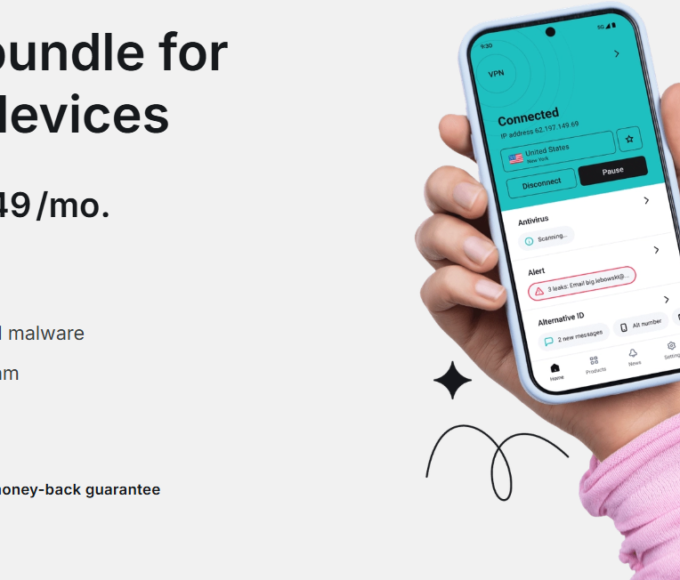


For normal internet users in 2026, the essential privacy tools should include a reliable password manager (like 1Password or Bitwarden) to handle complex credentials, a reputable Virtual Private Network (VPN) for encrypting internet traffic and masking IP addresses, and secure, encrypted messaging apps (such as Signal) for private communication. Additionally, users should prioritize browsers focused on privacy (Brave, Firefox Focus), consider privacy-centric email services, and ensure their device settings are optimized for data protection. These foundational tools offer significant protection against common online threats and unwanted data collection.
Living online today often feels like walking through a bustling marketplace where everyone’s business is on display. Every click, every search, every purchase leaves a trail of digital breadcrumbs that can be collected, analyzed, and sometimes, even misused. From targeted ads that feel a little too personal to the constant threat of data breaches, it’s clear that our digital privacy is under perpetual scrutiny.
It’s not just about protecting secrets anymore; it’s about maintaining control over your own information and ensuring your online experience remains yours. For most of us – families, students, professionals – navigating this without the right safeguards can feel overwhelming. The good news is, you don’t need to be a cybersecurity expert to defend your digital boundaries. There are practical, easy-to-use tools that empower you to take back control.
So, what privacy tools should normal users have in 2026? At a minimum, every internet user in Europe, North America, and South America should be using a strong password manager, a trustworthy VPN, and an encrypted messaging service. These form the bedrock of a secure online presence, helping you navigate the digital landscape with confidence and significantly reducing your exposure to privacy risks, aligning with solid regulations like GDPR and LGPD.

Your Essential Digital Privacy Toolkit: A Quick Overview
Building a solid privacy strategy doesn’t have to be complicated. Here’s a high-level look at the best privacy tools you should consider integrating into your daily routine:
- Password Managers: Generate, store, and manage unique, strong passwords for all your accounts.
- Virtual Private Networks (VPNs): Encrypt your internet connection, hide your IP address, and protect your data on public Wi-Fi.
- Encrypted Messaging Apps: Communicate securely with end-to-end encryption, ensuring only you and the recipient can read messages.
- Privacy-Focused Browsers & Search Engines: Minimize tracking and data collection as you surf the web.
- Ad & Tracker Blockers: Prevent third parties from monitoring your online activity.
- Secure Email Services: Encrypt your emails and metadata to keep your communications private.
The Cornerstone of Security: Password Managers
If you’re still using ‘password123’ or the same password across multiple sites, you’re essentially leaving your front door unlocked. A common mistake is to rely on memory for complex passwords, which inevitably leads to reusing simpler, less secure ones. This is where password managers shine.
Why You Need One: Stronger, Unique Passwords Effortlessly
Password managers like 1Password, Bitwarden, and LastPass (though LastPass had a significant breach recently, they’ve worked to regain trust, always do your research) act as secure digital vaults. They generate incredibly complex, unique passwords for every single one of your online accounts and store them securely, often encrypted with a single master password that only you know. When you visit a website, the manager auto-fills your credentials, saving you time and preventing phishing attempts.
Practical Advice & Trade-offs
For families, many password managers offer family plans, allowing secure sharing of essential logins (like streaming services or utility accounts) without compromising individual security. Bitwarden, for instance, offers a generous free tier that’s excellent for individual users, while 1Password provides a more premium experience with solid features and excellent customer support, suitable for those who want more advanced sharing and security auditing.
The trade-off? You’re entrusting your digital keys to one service. This means your master password must be exceptionally strong and never forgotten. Most reputable services use strong encryption, meaning even if their servers were compromised, your individual vault would remain secure without your master key.
Your Digital Cloak: Virtual Private Networks (VPNs)
Imagine your internet connection as a highway. Without a VPN, everyone can see your car, its destination, and potentially even its contents. A VPN is like driving through an encrypted tunnel, making your car invisible and your destination unknown to onlookers. This is particularly vital when connecting to public Wi-Fi in a cafe in Buenos Aires, a hotel in London, or an airport in New York.
Home Internet Problems: How to Diagnose Slow Wi-Fi and Get Back Online
How a VPN Protects You
A VPN service encrypts your internet traffic and routes it through a server operated by the VPN provider. This hides your real IP address, making it appear as if you’re browsing from the VPN server’s location, not your own. This protects your data from snoopers, internet service providers (ISPs), and even government surveillance in some cases. It’s a fundamental tool for online privacy and security.
Recommended Services & Considerations
Some of the best privacy tools in the VPN category include NordVPN, ExpressVPN, and Proton VPN. These providers typically offer strong encryption, a strict no-logs policy (meaning they don’t record your online activity), and a wide network of servers globally, which is helpful for users across North America, Europe, and South America.
When choosing, look for:
- No-logs policy: Independently audited if possible.
- Strong encryption: AES-256 is the industry standard.
- Server locations: More options mean better speed and flexibility.
- Customer support: Reliable help if you encounter issues.
A free VPN can be tempting, but many free services monetize by collecting and selling your data, which defeats the entire purpose of a VPN. Investing in a reputable paid service is generally a much safer bet for serious privacy protection.
Private Conversations: Encrypted Messaging and Email
From casual chats to sensitive work discussions, our digital conversations are goldmines for data collectors. Standard messaging apps and email services often lack end-to-end encryption, meaning your messages can be intercepted and read.
Signal: The Gold Standard for Messaging
For messaging, Signal is widely considered the best privacy tool. It uses strong end-to-end encryption for all messages, calls, and file transfers, meaning only the sender and recipient can read the content. Signal is also open-source, allowing security experts to audit its code for vulnerabilities, and it’s backed by a non-profit foundation, so its incentives are aligned with user privacy, not data harvesting.
WhatsApp, owned by Meta, also offers end-to-end encryption powered by Signal’s protocol, but its parent company’s business model is fundamentally different and relies heavily on data collection, leading many privacy advocates to prefer Signal.
Secure Email: Proton Mail and Tutanota
For email, services like Proton Mail and Tutanota offer end-to-end encryption and zero-access encryption, ensuring your emails are unreadable even to the email provider itself. They’re based in countries with strong privacy laws (Switzerland and Germany, respectively) and offer features like encrypted contact lists and calendar. While they might not integrate as smoothly with other services as Gmail or Outlook, the privacy benefits are significant, especially for sensitive communications.
Browsing Smarter: Privacy-Focused Browsers and Search Engines
Your web browser is your window to the internet, and many popular browsers are designed to track your activity. Switching to a privacy-focused browser and search engine can dramatically reduce the data footprint you leave behind.
Browser Choices: Brave, Firefox, and Extensions
Brave Browser is an excellent choice for privacy-conscious users because it blocks ads and trackers by default. It also offers a unique rewards system (BAT tokens) for viewing privacy-respecting ads, if you opt in. Mozilla Firefox, especially with privacy-enhancing add-ons like uBlock Origin and Privacy Badger, is another strong contender. Firefox Focus is a lighter, mobile-first option that automatically clears your browsing history and blocks trackers.
Protect Kids Online Without Spying on Everything: The Smarter Approach
Search Engines: DuckDuckGo and Startpage
For search engines, ditch Google and switch to DuckDuckGo or Startpage. DuckDuckGo emphasizes not tracking your searches or personal information, providing a truly private search experience. Startpage provides Google search results anonymously, meaning you get Google’s powerful search algorithm without Google collecting your data.
The Future of Authentication: Passkeys
Passkeys are poised to be the next major step beyond passwords, offering a more secure and convenient way to log into online accounts. Instead of a password, a passkey is a cryptographic key pair generated on your device (like your smartphone or computer) and stored securely.
How Passkeys Work
When you log in with a passkey, your device uses biometric authentication (fingerprint or face scan) or a PIN to confirm your identity. It then sends a unique, cryptographically signed message to the website, verifying it’s you. This eliminates the need for passwords altogether, making phishing attacks much harder and simplifying the login process. Many services, including Google and Apple, are already supporting passkeys, and their adoption is expected to grow significantly by 2026.
FAQ: Your Privacy Questions Answered
What privacy tools should normal users have in 2026?
Normal users in 2026 should prioritize a solid password manager, a reliable VPN, and an end-to-end encrypted messaging app. Additionally, using a privacy-focused browser and search engine, along with enabling passkeys where available, will significantly enhance their online data protection.
Are free VPNs safe to use for privacy?
Generally, free VPNs are not recommended for privacy. Many free services monetize by collecting and selling user data, displaying intrusive ads, or having limited security features. For true privacy and security, investing in a reputable paid VPN service with a strict no-logs policy is crucial.
Why is a password manager better than remembering passwords?
A password manager is superior because it generates and stores unique, complex passwords for every account, making it impossible for you to remember them all. This eliminates password reuse, which is a major security risk, and protects you from phishing attempts by auto-filling credentials only on legitimate sites.
Is Signal truly private for messaging?
Yes, Signal is widely considered one of the most private messaging apps. It uses strong open-source end-to-end encryption for all communications (messages, calls, files) and does not collect metadata. Being a non-profit, its core mission is user privacy, making it a trustworthy choice.
What are passkeys and why are they important?
Passkeys are a new, more secure way to log into accounts, replacing passwords with cryptographic keys stored on your device. They eliminate phishing risks, simplify logins with biometrics or PINs, and are resistant to common online attacks, representing a significant leap forward in online authentication security.
Key Takeaways for Your Digital Privacy in 2026
Navigating the internet in 2026 doesn’t have to mean sacrificing your privacy. By strategically implementing a few key tools, you can dramatically improve your digital security posture. A solid password manager is non-negotiable; it’s the first line of defense against account compromise. Pairing this with a reliable VPN ensures your internet traffic is private and secure, especially on public networks, protecting you whether you’re in Rio de Janeiro or Rome.
Furthermore, making conscious choices about your communication channels, like opting for encrypted messaging apps such as Signal and secure email services, guarantees your conversations remain just that—conversations. And as technology evolves, embracing innovations like passkeys will make your online life both more secure and more convenient.
Remember, privacy isn’t about having something to hide; it’s about having control over your personal information. These best privacy tools empower you to exercise that control effectively. For more practical tech guides and tips, read more tech guides on Le Daily Post.