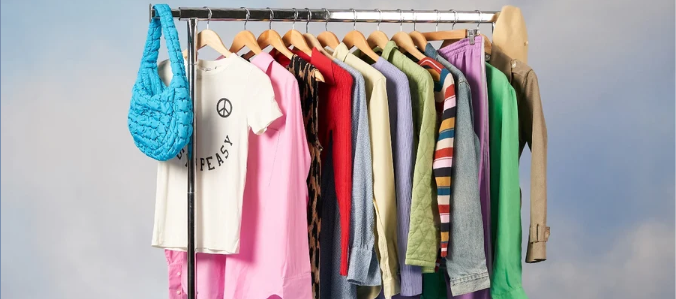


A wardrobe reset checklist involves systematically evaluating each clothing item to determine its current utility and future potential. You’ll decide whether to keep pieces that fit well and align with your style, send items for repair that have minor damage but significant value, donate garments that are in good condition but no longer serve you, and replace items that are truly beyond repair or have reached the end of their lifecycle. This process helps declutter, refine personal style, and promote more sustainable consumption habits, applicable whether you’re refreshing your closet in Paris, New York, or Buenos Aires.
We’ve all been there: staring into a closet overflowing with clothes, yet feeling like we have nothing to wear. It’s a common dilemma, fueled by impulse buys, changing trends, and the sheer accumulation of life. From the bustling streets of London to the vibrant markets of Madrid, or the expansive retail landscape across North and South America, the urge to refresh our style is universal. But a true refresh isn’t just about buying new things; it’s about a mindful and strategic wardrobe reset.
It’s about understanding what genuinely serves you, what can be given a new lease on life, and what needs to gracefully exit your wardrobe. This isn’t just about decluttering; it’s about curating a collection of clothes that reflects who you are today, fits your lifestyle, and makes getting dressed a pleasure, not a chore. Think of it as an annual audit for your personal style, a chance to refine, refresh, and embrace sustainability.
Why a Wardrobe Reset is More Than Just Tidying Up
A true wardrobe reset, where you strategically decide what to keep, repair, donate, or replace, is about intention. It’s a powerful exercise that goes beyond surface-level organization. It forces you to confront your purchasing habits, understand your true style preferences, and identify gaps or redundancies in your collection. The goal isn’t just an emptier closet, but a more functional, inspiring one.
Many of us fall into the trap of holding onto things out of habit, sentimentality, or even guilt. That dress from five years ago that ‘might fit again someday’? The sweater with the tiny hole that you ‘meant to fix’? These items take up valuable space and mental energy. A thoughtful reset helps you break these cycles, creating a wardrobe where every piece has a purpose and brings you joy.
Your Wardrobe Reset Checklist: A Practical Approach
Let’s get down to business. This process can feel daunting, but breaking it down into actionable steps makes it manageable. Dedicate a good block of time – a full Saturday, perhaps – and be ruthless but kind to yourself.
1. The Full Empty Out
Start by taking EVERYTHING out of your closet and drawers. Yes, everything. Lay it all out on your bed, on the floor, wherever you have space. This gives you a clear, unfiltered view of exactly what you own. It can be shocking, illuminating, and sometimes a little overwhelming, but it’s a crucial first step to truly assess your wardrobe reset needs.
2. The ‘Love It’ Pile: What to Keep
As you pick up each item, ask yourself: ‘Do I love this? Does it fit well? Have I worn it in the last year? Does it make me feel confident?’ If the answer is a resounding ‘yes’ to these questions, it goes into the ‘keep’ pile. These are your foundational pieces, the ones that define your style. This might include your favorite pair of Levi’s jeans, a classic black blazer that works for meetings in New York or dinner in São Paulo, or a perfectly fitted cashmere sweater.
A Capsule Wardrobe for Changing Weather Across Europe and North America
3. The ‘Needs Attention’ Pile: What to Repair
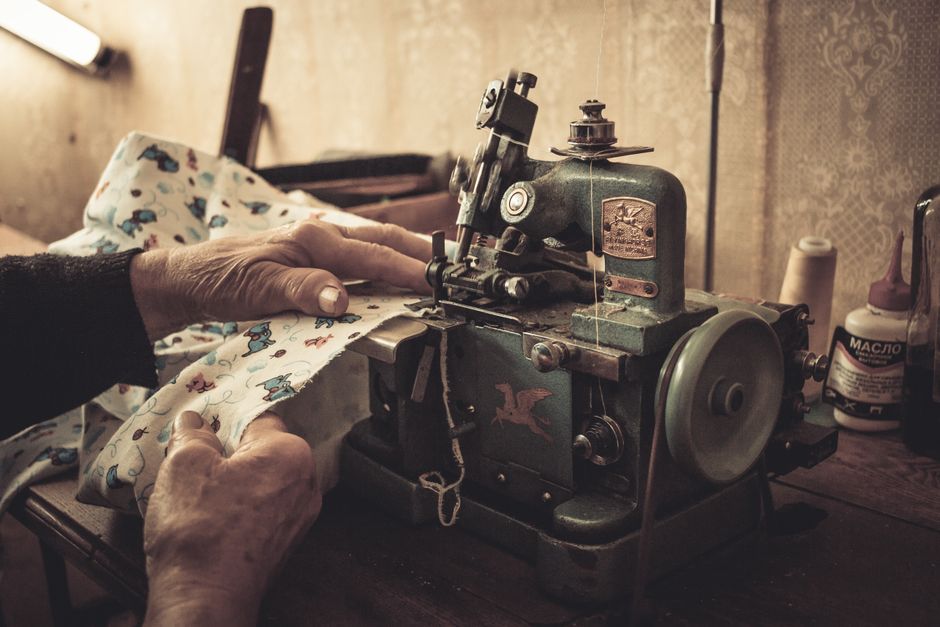
Many valuable garments are discarded for minor issues. A missing button, a loose hem, a small tear, a broken zipper, or a scuff on a beloved pair of leather boots. If an item is otherwise excellent quality, fits you well, and you love it, designate it for repair. A good tailor can work wonders. In cities like Paris and Milan, where quality and craftsmanship are highly valued, mending and tailoring are common practices, extending the life of designer pieces and everyday wear alike. Think about those worn heels on your favorite loafers or a seam coming undone on a beautiful dress.
4. The ‘No Longer Serves Me’ Pile: What to Donate
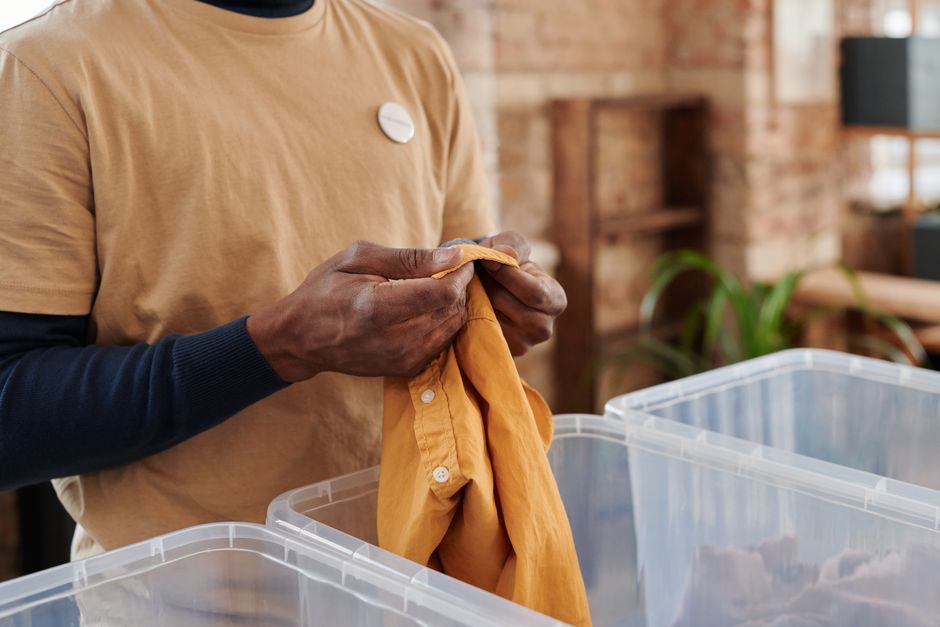
This pile is for items that are in good condition but no longer fit your style, size, or lifestyle. Perhaps you’ve changed jobs, or your personal aesthetic has evolved. That brightly colored top you bought on a whim in Barcelona might not align with your current minimalist leanings. Or maybe it’s a perfectly fine suit that simply doesn’t fit anymore. These items can bring joy to someone else. Research local charities in your area – whether it’s Goodwill in the US, Oxfam in the UK, or smaller community initiatives throughout South America, ensure your donations are clean and ready for a new owner.
5. The ‘Time to Go’ Pile: What to Replace
This category is for items that are truly worn out, stained beyond repair, or simply beyond their useful life. Think faded t-shirts, stretched-out knitwear, or socks with holes. Don’t feel guilty about replacing these; they’ve served their purpose. When replacing, consider investing in quality over quantity to ensure longevity. For example, replacing a worn-out trench coat with a classic Burberry or a high-quality alternative from a brand known for durability will save you money in the long run.
6. The ‘Maybe’ Pile: A Second Look
Inevitably, you’ll have a pile of ‘maybes.’ These are items you’re unsure about. Put them in a designated box or bag and store them for a few weeks. If you haven’t thought about them or reached for them in that time, chances are you can let them go. This ‘maybe’ box is particularly useful for sentimental items or pieces you spent a lot on but haven’t worn.
Comparing Your Options: A Smart Wardrobe Strategy
When you’re sifting through your items, it’s helpful to have a framework for decision-making. Here’s a quick comparison of the main categories:
| Option | Description | Best For | Considerations |
|---|---|---|---|
| Keep | Well-fitting, loved, and regularly worn items. | Staples, favorite pieces, garments that fit your current style and lifestyle. | Ensure they are truly functional and make you feel good. |
| Repair | Valuable items with minor damage (e.g., loose buttons, small tears, scuffs). | High-quality garments, sentimental pieces, expensive items that can be restored. | Cost of repair vs. cost of replacement; find a reliable tailor/cobbler. |
| Donate | Good condition, but no longer fit your style, size, or lifestyle. | Gently used clothes, shoes, accessories that can benefit others. | Clean and presentable condition; research reputable charities. |
| Replace | Worn out, damaged beyond repair, ill-fitting, or no longer functional. | Basic necessities (e.g., underwear, socks), core wardrobe items that are past their prime. | Prioritize quality and longevity for replacements; consider sustainable brands. |
Common Mistakes to Avoid During Your Wardrobe Reset
Even with the best intentions, it’s easy to stumble during a wardrobe reset. Being aware of these common pitfalls can help you navigate the process more effectively.
A frequent error is the ‘aspirational item’ trap. We often hold onto clothes that fit a lifestyle we wish we had, rather than the one we currently live. That cocktail dress for an event that never materializes, or the impractical shoes for a city where you primarily walk. Be realistic about your daily needs and social engagements. If an item doesn’t serve your current reality, it’s time to let it go.
Affordable Workwear That Looks Premium: A Global Style Guide
Another pitfall is sentimental attachment overriding practicality. While it’s lovely to have memories, a closet full of garments that evoke a past self but don’t fit or suit your present style is counterproductive. Consider creating a ‘memory box’ for truly sentimental items that aren’t functional clothing anymore, freeing up your wardrobe for current use.
Finally, avoid the ‘bargain buy’ mentality during the replacement phase. After decluttering, there’s a temptation to fill the void with new purchases, especially during sales. However, this often leads to repeating the same cycle. Instead, make a curated list of true gaps in your wardrobe and invest in high-quality, versatile pieces that will last. For instance, rather than buying several cheap sweaters, save for one well-made merino wool piece from a brand like John Smedley or a local artisan in South America.
FAQ: Answering Your Wardrobe Reset Questions
What should readers know about a wardrobe reset checklist?
A wardrobe reset checklist provides a structured approach to evaluating your clothing, helping you decide what to keep, repair, donate, or replace. It’s crucial for decluttering, refining your personal style, and building a functional wardrobe that truly serves your needs and preferences, whether you live in London, Madrid, or anywhere else.
How often should I do a full wardrobe reset?
For most people, a full wardrobe reset is beneficial once or twice a year, typically at the change of seasons (e.g., spring/summer and fall/winter). This allows you to adapt to new weather, review seasonal items, and re-evaluate your style as it evolves.
What if I’m unsure about an item?
If you’re truly unsure, create a ‘maybe’ pile. Place these items in a box and store them out of sight for a month or two. If you haven’t missed them or thought about wearing them during that time, it’s usually a clear sign that they can be donated or discarded.
Can a wardrobe reset save me money?
Absolutely. By understanding what you already own and what gaps genuinely exist, you’re less likely to make impulse purchases. Focusing on repairing beloved items and investing in high-quality replacements for essential pieces also reduces long-term spending on fast fashion.
What’s the best way to ensure my donations make an impact?
Always donate clean, gently used items to reputable charities or community organizations. Many places specialize, like dress-for-success programs for professional attire or local shelters for everyday clothing. Researching local options in your city (e.g., in Paris or Madrid) ensures your clothes go to those who need them most.
How do I maintain my wardrobe after a reset?
Once you’ve completed a wardrobe reset, practice a ‘one in, one out’ rule for new purchases. Regularly review your closet for items that no longer fit or serve you, and consider smaller, quarterly mini-edits to prevent accumulation. Proper storage and care for your clothes also significantly extend their lifespan.
Embracing a comprehensive wardrobe reset isn’t just about cleaning out a closet; it’s about curating a lifestyle. By thoughtfully deciding what to keep, repair, donate, or replace, you build a wardrobe that empowers you, reduces waste, and makes every day’s outfit choice a confident one. Explore more practical style guides on Le Daily Post for further inspiration.