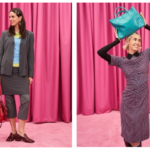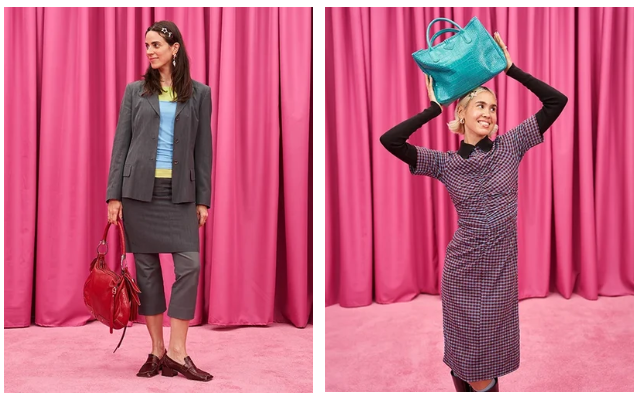

For hybrid jobs in cities like London, Toronto, and Buenos Aires, the ideal work outfit strikes a balance between professional polish and everyday comfort. Think versatile pieces such as tailored trousers, well-fitting dark wash jeans, structured knits, blazers, and smart blouses or shirts. The key is adaptability: an outfit that looks appropriate for an office day can often be dressed down for a remote day or easily transition to an evening out, making smart layering and quality fabrics essential for navigating varied climates and expectations across Europe, North America, and South America.
Remember when ‘workwear’ meant a rigid suit, five days a week? For many of us, that’s a distant memory. The shift to hybrid work has fundamentally changed how we approach our professional wardrobes, creating a fascinating new challenge. Suddenly, you’re expected to look polished enough for an in-person client meeting in the city on Tuesday, but comfortable enough for a full day of video calls from your home office on Thursday – often with little time to change in between. It’s a sartorial tightrope walk, and frankly, a common mistake is overthinking it or, conversely, not thinking about it at all.
This isn’t about buying a whole new wardrobe; it’s about smart curation and understanding the subtle style cues that translate across different work environments and even different continents. Whether you’re navigating the bustling streets of London, the dynamic cityscape of Toronto, or the vibrant pulse of Buenos Aires, the core principles of adaptable, comfortable, and professional attire remain the same, albeit with local flavor.
The Evolving Dress Code: What Hybrid Means for Your Closet
Hybrid work isn’t just a scheduling preference; it’s a culture shift that redefines professionalism. The traditional boundaries between ‘casual’ and ‘formal’ have blurred, giving rise to ‘smart casual’ or ‘business casual’ as the default for many office environments. This means ditching the overly structured and embracing pieces that offer both comfort and polish. Think less about a full suit and more about separates that can be mixed and matched effortlessly.
In practice, this often translates to investing in quality basics: well-cut trousers, versatile blazers, stylish knitwear, and smart, comfortable shoes. The goal is to build a capsule wardrobe that can be easily elevated or dressed down with accessories. This approach is particularly effective when considering the varied climates and cultural norms across global hubs like London, Toronto, and Buenos Aires. A blazer might be essential for a chilly London morning but optional for a warm Buenos Aires afternoon, yet its core utility remains.
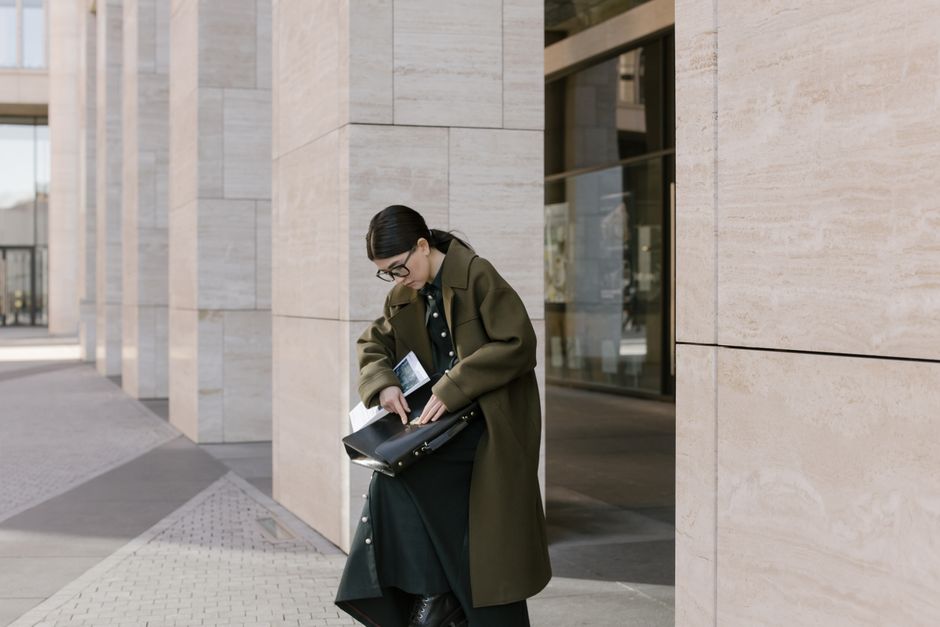
When selecting pieces, consider fabric. Breathable materials like merino wool, Tencel, or performance blends are excellent choices as they often resist wrinkles, regulate temperature, and maintain their shape, making them ideal for commuting or long days. Brands like Uniqlo, Everlane, and COS excel at producing high-quality, foundational pieces that fit this brief perfectly, offering styles that are sophisticated yet comfortable enough for prolonged wear.
Crafting Your Ideal Work Outfits for Hybrid Jobs
Building a successful hybrid work wardrobe is all about versatility and smart choices. Here’s how to approach it:
1. The Versatile Blazer: Your Hybrid MVP
A well-fitting blazer is non-negotiable. It instantly elevates any outfit, transforming jeans and a t-shirt into something office-appropriate. Opt for unlined or softly structured options in wool blends, linen (for warmer climates), or ponte knit for maximum comfort and stretch. Brands like & Other Stories or J.Crew offer excellent tailored yet relaxed options. A classic navy, black, or charcoal grey blazer is a solid starting point, but don’t shy away from subtle patterns like a houndstooth or windowpane check for added personality.
2. Smart Trousers and Elevated Denim
Forget stiff slacks. Look for comfortable, tailored trousers in fabrics with some stretch. Wide-leg or straight-leg styles are currently very popular and offer a modern silhouette. Brands like Aritzia’s ‘Effortless Pant’ or Lululemon’s ‘Stretch High-Rise Pant’ (yes, their workwear options are legitimate!) provide comfort without sacrificing style. For denim, dark-wash, straight-leg or slim-fit jeans without distressing are often perfectly acceptable for office days, especially when paired with a blazer or smart top. Just be sure to check your workplace’s specific denim policy.
Fabrics for Humid Cities Like Miami, Lisbon, and Rio: The Practical Ranking for Beating the Heat
3. The Power of Quality Knitwear
Merino wool sweaters, cashmere blends, or high-quality cotton knits are essential for layering and adding texture. A fine-gauge knit sweater can be worn alone or over a collared shirt. Cardigans, especially longer duster styles, can replace a blazer on more casual days or provide an extra layer of warmth in air-conditioned offices. Massimo Dutti and COS are excellent sources for refined knitwear that holds up beautifully.
4. Polished Tops and Blouses
Invest in a few smart blouses or shirts that can be worn tucked in or loose. Silk blends, Tencel, or crisp cotton button-downs are great choices. Consider interesting necklines or subtle details to add visual interest. For days primarily spent on video calls, a well-chosen top makes all the difference from the waist up. Brands like Sézane or Everlane offer blouses that strike a great balance between professional and chic.
5. Comfortable, Stylish Footwear
Comfort is king, especially if you’re commuting or navigating cobblestone streets in London or Buenos Aires. Loafers, polished sneakers (like Common Projects or Veja), block-heel ankle boots, or stylish flats are excellent choices. Avoid anything too casual or overly athletic for office days. The key is clean, well-maintained shoes that complement your outfit.
6. The All-in-One Dress or Jumpsuit
A midi-length dress in a wrinkle-resistant fabric or a tailored jumpsuit can be a fantastic one-and-done hybrid work solution. Layer a blazer over it for office days, or wear it on its own for remote work. These pieces are particularly valuable for travel between different office locations or when time is short. Look for styles from brands like Hobbs or Reiss for elegant, work-appropriate options.
Global Hybrid Style: London, Toronto, and Buenos Aires
While the core principles of hybrid workwear are universal, each city adds its own unique flavour and practical considerations.
| City | Key Considerations | Style Nuances | Recommended Pieces |
|---|---|---|---|
| London, Europe | Varied weather, public transport commute, generally more classic/tailored aesthetic. | Smart, understated elegance. Quality fabrics are appreciated. Layering is crucial. A good trench coat is a must. | Tailored wool trousers, structured blazer, merino knits, polished Chelsea boots, smart trench. |
| Toronto, North America | Extreme seasonal changes (cold winters, hot summers), often more relaxed tech/creative vibe but still professional. | Practicality meets urban chic. Layering for temperature shifts. Emphasis on functional but stylish outerwear. | Dark wash jeans, cashmere/wool sweaters, versatile blazer, waterproof ankle boots (winter), stylish sneakers. |
| Buenos Aires, South America | Warm climate (especially summer), passionate and stylish culture, often a blend of classic European and vibrant local trends. | Elegant, often with a touch of flair. Lighter fabrics preferred. Good tailoring is highly valued. | Linen trousers, flowy blouses, light blazers, leather loafers or elegant flats, statement accessories. |
For instance, in Copenhagen or Milan, known for their distinct fashion scenes, you’d find a strong emphasis on minimalist design, quality craftsmanship, and often bolder color palettes than, say, London. This isn’t to say you need to overhaul your style for each city, but rather to observe and adapt with small touches – perhaps a pop of color or a specific accessory that resonates with the local aesthetic.
Common Mistakes to Avoid in Your Hybrid Work Wardrobe
It’s easy to slip into some common pitfalls when trying to balance comfort and professionalism. Being aware of these can save you from sartorial missteps.
One frequent error is treating remote days as an excuse to completely abandon professional dressing. While you don’t need a blazer for a day of solo focused work at home, consistently showing up to video calls in faded loungewear or graphic t-shirts can subtly undermine your professional image. Aim for ‘put together enough’ – a clean, simple top and tidy hair goes a long way.
AI Styling Apps: Can They Build Better Outfits Than a Personal Shopper?
Another mistake is neglecting proper fit. Even the most expensive clothes look sloppy if they don’t fit well. Pay attention to sleeve length, shoulder seams, and trouser hems. A simple alteration can transform a garment. This is particularly important for blazers and trousers, which are cornerstone pieces of a hybrid wardrobe.
Failing to consider your climate and commute is also a common oversight. In Toronto, ignoring the need for warm, waterproof outerwear in winter is a recipe for misery. In Buenos Aires during summer, heavy fabrics will be uncomfortable and inappropriate. Always factor in the practicalities of getting to and from the office, and the temperatures you’ll encounter throughout the day.
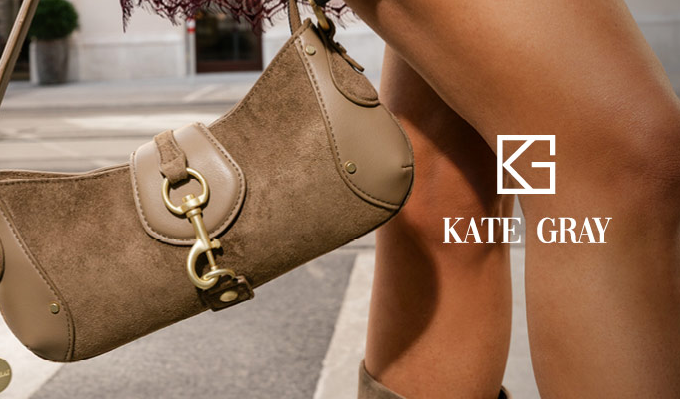
Lastly, don’t underestimate the power of accessories. Scuffed shoes, a worn-out bag, or poorly chosen jewelry can cheapen an otherwise sharp outfit. Conversely, a good quality watch, a stylish belt, or a structured handbag can improve simple pieces significantly. Invest in a few key accessories that are versatile and reflect your personal style.
FAQ: Answering Your Hybrid Work Style Questions
Q: What’s the essential difference between business casual and hybrid work attire?
A: Business casual is generally more formal, often requiring collared shirts, blazers, and dress trousers. Hybrid work attire, while still professional, leans into greater comfort and versatility, allowing for dark wash jeans, structured knits, and polished sneakers, prioritizing pieces that transition smoothly between home and office environments.
Q: Can I wear sneakers to the office for a hybrid job?
A: Yes, in many hybrid workplaces, polished sneakers are acceptable. Opt for clean, minimalist styles in leather or suede, like those from Common Projects or Veja, rather than athletic trainers. Pair them with tailored trousers or dark wash jeans and a smart top or blazer for a chic, comfortable look.
Q: How do I manage professional dressing with a limited wardrobe budget?
A: Focus on quality basics that can be mixed and matched. Invest in versatile core pieces like a good blazer, tailored trousers, and neutral knitwear. Utilize sales, and explore second-hand options or outlet stores. Prioritize pieces that are durable and can be worn in multiple combinations to maximize your budget.
Q: What types of fabrics are best for hybrid work outfits?
A: Look for wrinkle-resistant and breathable fabrics. Merino wool, Tencel, ponte knits, cotton blends, and lightweight linen are excellent choices. These materials offer comfort, maintain their shape, and often require less ironing, which is ideal for a dynamic work schedule and varied commutes.
Q: How can I transition a hybrid work outfit from day to evening?
A: The key is strategic accessories. Swap your work tote for a clutch, add a statement necklace or earrings, and refresh your lipstick. A blazer over a dress can be removed to reveal a more evening-appropriate silhouette. Comfortable heels or stylish flats can also replace daytime loafers for an instant evening lift.
Navigating the world of hybrid work outfits for hybrid jobs in London, Toronto, and Buenos Aires doesn’t have to be a source of stress. By focusing on versatile pieces, smart layering, and a keen eye for local nuances, you can build a wardrobe that serves you well, whether you’re in a board meeting or on a video call. Explore more practical style guides on Le Daily Post.