
We’ve all been there: staring at a menu outside a cafe near a major landmark, the prices just a little too high, the ‘authentic local cuisine’ feeling suspiciously generic. Or perhaps you’ve been corralled into a souvenir shop promising unique artisan crafts that look exactly like the mass-produced trinkets from the airport. It’s a common travel lament, this feeling of falling into a tourist trap, especially when you simply want to enjoy your trip without every second being dictated by a rigid itinerary.
The desire to truly connect with a place, its people, and its culture is what drives many of us to travel. Yet, the ease of pre-packaged tours and highly promoted attractions often pulls us into experiences designed more for maximum profit than for genuine immersion. The good news? You don’t need to spend months meticulously planning every minute detail to avoid these pitfalls. With a few smart, flexible strategies, you can enjoy spontaneous discovery and authentic encounters.
This guide will equip you with practical approaches to navigate popular destinations and find those hidden gems, ensuring your travels are memorable for all the right reasons. We’ll focus on how to avoid tourist traps without overplanning every hour, giving you the freedom to explore authentically.
The Lure of the Obvious: Why We Fall for Tourist Traps
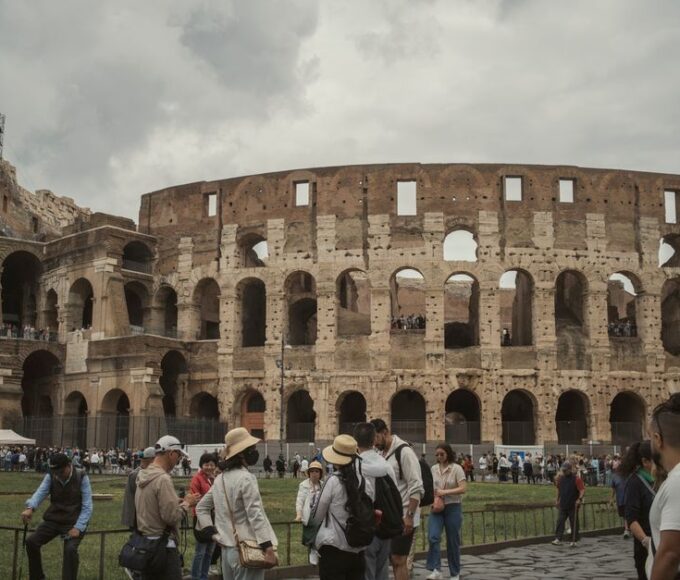
It’s easy to judge those who fall into tourist traps, but let’s be honest, they’re often incredibly well-marketed and conveniently located. After a long flight to, say, Paris, the idea of finding the ‘best’ boulangerie might feel overwhelming. That brightly lit cafe right outside the Louvre, despite its questionable prices, is just there. These traps often capitalize on our fatigue, our lack of local knowledge, and our natural desire for convenience.
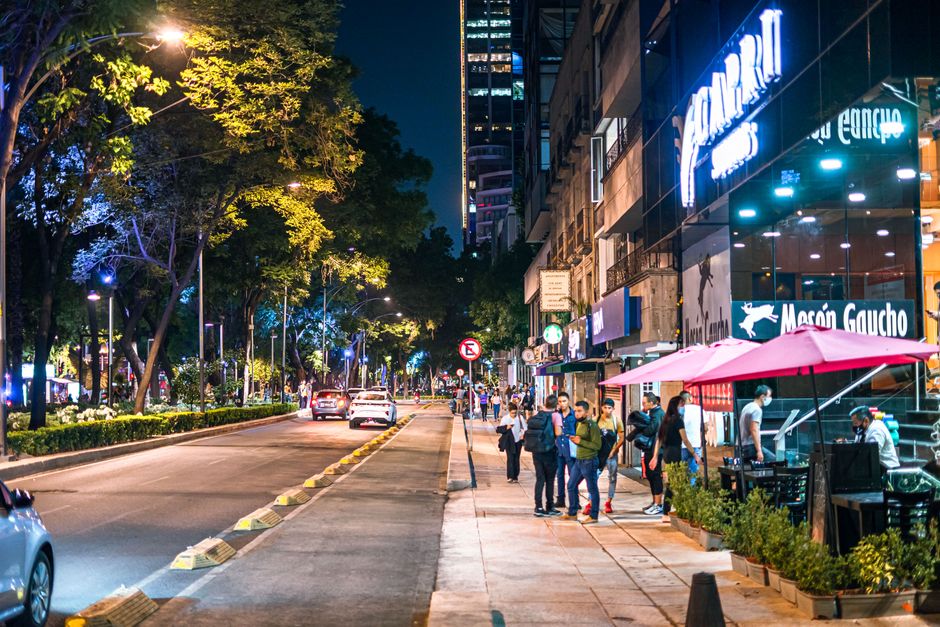
Think about it: the iconic street vendors in Mexico City’s Zócalo might seem charming, but a few blocks away, you’ll find identical items for half the price. The ‘authentic Irish pub’ chain in a European capital feels safe, but it often lacks the true character of a family-run establishment tucked away on a side street. Understanding this pull – the convenience, the familiar, the easily accessible – is the first step in consciously choosing a different path.
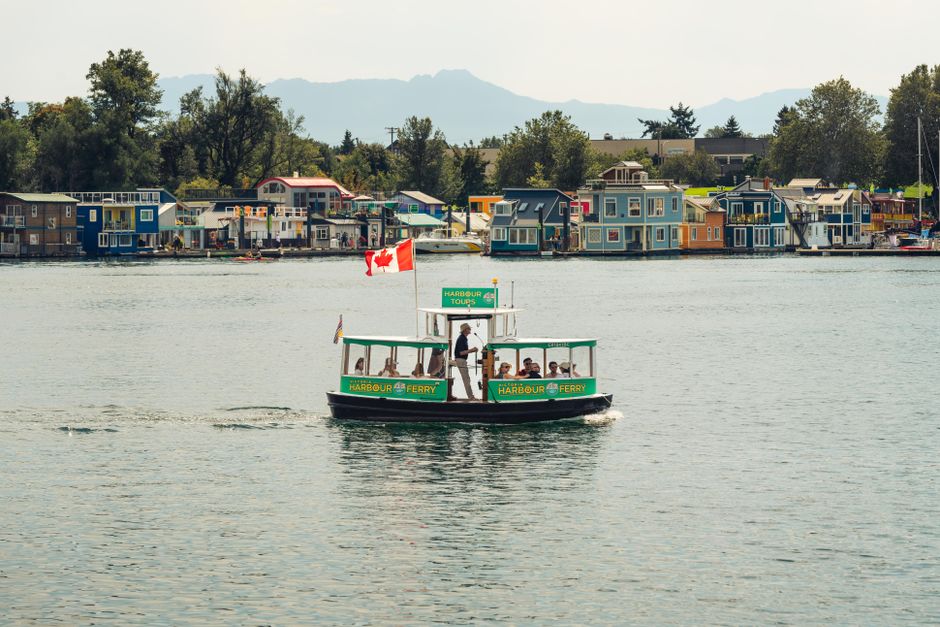
Another factor is the sheer volume of information, or misinformation, online. A quick search for ‘things to do in Vancouver’ will inevitably bring up the Capilano Suspension Bridge and Granville Island Market. While these are popular for a reason, they also concentrate crowds and often cater heavily to the tourist dollar. The trick isn’t to avoid them entirely if they genuinely interest you, but to understand what you’re getting into and balance them with more local experiences.
Your Practical Playbook: Avoiding Traps Without Over-Scheduling
The goal here isn’t to create a minute-by-minute itinerary, but to build a framework that encourages authentic discovery. Here’s how to avoid tourist traps without overplanning every hour:
1. Master Public Transportation and Walk
Forget the hop-on, hop-off bus for your main mode of transport. In places like Paris, learning the Metro system is incredibly empowering. Grab a Navigo Découverte pass or individual tickets and ride alongside locals. In Mexico City, the Metro is extensive and efficient; just be mindful of rush hour. Vancouver’s SkyTrain and bus network are excellent for getting around. Walking a few extra blocks from a Metro or bus stop often leads you directly into residential areas, away from the tourist crush, revealing local shops and eateries.
2. Eat a Few Blocks Away (Literally)
This is perhaps the simplest and most effective tip. Restaurant prices and authenticity often have an inverse relationship with proximity to major landmarks. If you’re near the Eiffel Tower or the Sagrada Familia, walk two or three blocks in any direction away from the main attraction. You’ll likely see smaller, family-run establishments with handwritten menus, fewer English speakers, and far better value. Look for busy places where locals are dining – that’s your cue. Yelp and Google Maps reviews can be helpful, but often a visual check is more reliable.
Create Memorable Vacations with Bookabach Holiday Home Rentals
3. Engage with Locals, Respectfully
A simple ‘Bonjour’ or ‘Hola’ can open doors. If you’re curious about a local dish, ask the server for their recommendation. In a small shop, inquire about an item’s origin. Many locals are proud of their city and happy to share tips, especially if you show genuine interest. This isn’t about lengthy conversations, but small, polite interactions that can subtly steer you towards less-trodden paths. A concierge at a hotel, if it’s not a major chain, can also be a valuable resource for local, non-touristy suggestions.
4. Embrace Local Markets and Non-Chain Cafes
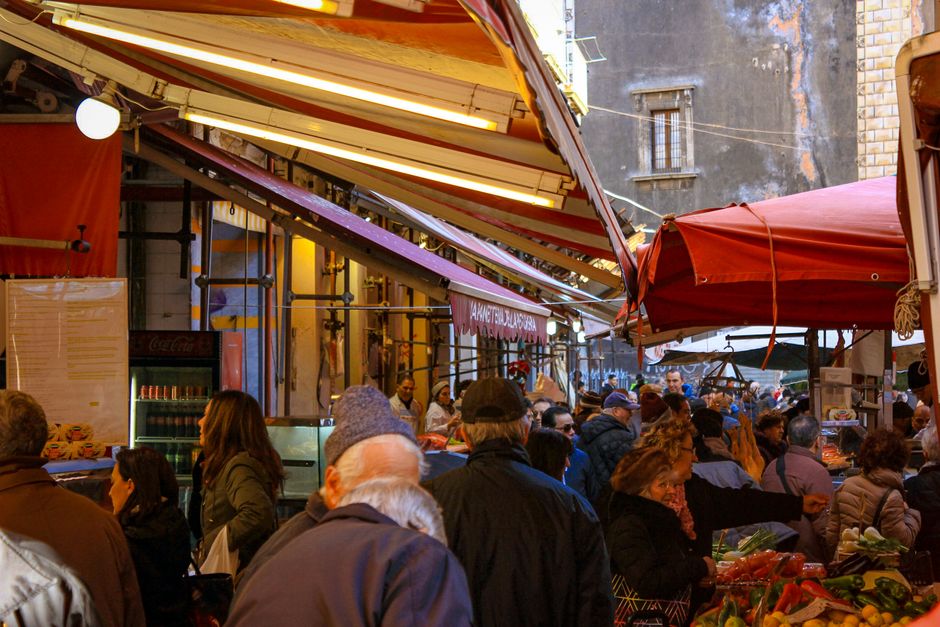
Beyond the grand markets like La Boqueria in Barcelona (which has become a tourist attraction itself), seek out smaller, neighborhood markets for produce, local cheeses, and street food. In Paris, visit a local marché for picnic supplies. In Mexico City, explore a mercado for an authentic culinary experience – just be prepared for the sensory overload! For coffee, skip Starbucks and find independent cafes where you hear more local chatter than tourist English.
5. Pre-Book High-Demand Attractions Directly
This isn’t about overplanning, but smart planning. If visiting the Vatican Museums or the Louvre is a must, book your tickets directly from their official websites weeks, if not months, in advance. This avoids inflated prices from third-party resellers and, more importantly, bypasses lengthy queues. It frees up your precious travel time for spontaneous exploration elsewhere. Also, consider visiting popular spots during off-peak hours, like early mornings or late evenings.
6. Ditch the Guidebook for Spontaneity (Sometimes)
While guidebooks offer useful context, try dedicating at least one half-day or a full day to pure aimless wandering. Pick a neighborhood, perhaps one recommended by a local, and just walk. Let your curiosity lead you down alleyways, into small parks, or past interesting storefronts. This is often where the magic happens and where you stumble upon genuinely unique experiences. Remember, the goal is to avoid tourist traps without overplanning every hour, and a little unplanned exploration is key.
7. Utilize Tech Wisely: Offline Maps & Translation Apps
Google Maps with downloaded offline areas is invaluable for walking and navigating public transport without eating up data. Translation apps like Google Translate can bridge language barriers for those quick, helpful interactions with locals, helping you find that tucked-away restaurant or ask for directions when you’re truly off the beaten path.
Beyond the Usual Suspects: Alternative Experiences
Instead of automatically defaulting to the most advertised attractions, consider what truly interests you and seek out alternatives. Here’s a brief comparison:
| Typical Tourist Approach | Authentic/Local Alternative | Destination Example |
|---|---|---|
| Eating at a chain restaurant near a landmark | Walking a few blocks to a local eatery | Paris (Latin Quarter vs. Rue Montorgueil) |
| Booking a packaged ‘cultural’ tour | Attending a local festival or community event | Mexico City (Day of the Dead parade vs. neighborhood fiestas) |
| Visiting only major museums | Exploring smaller galleries or street art districts | Vancouver (Vancouver Art Gallery vs. Mount Pleasant murals) |
| Shopping at duty-free or souvenir shops | Browsing local artisan markets or specialty stores | Europe (any major capital) |
For instance, in Paris, instead of the overly crowded Champs-Élysées, explore the Marais district for unique boutiques and historic architecture. In Mexico City, bypass the tourist-heavy Xochimilco boats for a visit to Coyoacán, Frida Kahlo’s neighborhood, and its vibrant local market. In Vancouver, instead of just Stanley Park, head to Kitsilano Beach for a different perspective of the city, or explore the diverse food scene in Richmond.
Common Mistakes When Trying to Avoid Tourist Traps
Even with good intentions, some common missteps can still lead you astray.
Finding Your Home Away From Home: Best Neighborhoods for Local Food, Transit, and Real-World Living
One frequent mistake is relying too heavily on online reviews without understanding the context. A restaurant with thousands of five-star reviews might still be catering primarily to tourists who simply liked the novelty, not necessarily the authenticity or value. Always cross-reference with local forums or independent food blogs if you can.
Another pitfall is trying too hard to be ‘local’ and appearing rude or dismissive. While avoiding tourist traps, remember that some popular places are popular for a reason. There’s a balance to strike. You don’t have to shun every famous landmark; rather, integrate them smartly into a broader itinerary that includes local experiences.
Underestimating the value of basic language phrases is also a common error. Even a few words like ‘please,’ ‘thank you,’ ‘hello,’ and ‘excuse me’ in the local language can drastically improve your interactions and help you feel more connected, opening doors to more authentic experiences.
Finally, rigid adherence to a ‘no tourist’ rule can make you miss out. Some places are beloved by both locals and visitors. The goal is to avoid overpriced, inauthentic experiences, not to avoid anything that attracts a crowd. A good rule of thumb is to ask yourself: is this experience genuine, or is it designed solely to extract maximum money from an uninformed visitor?
FAQ: Answering Your Travel Questions
How do I find authentic restaurants in a new city?
Look for places a few blocks away from major tourist attractions that are busy with locals. Check for handwritten menus, daily specials, and minimal English signage. Using Google Maps to zoom into residential areas can often reveal hidden gems with good reviews from local-sounding names.
Is it okay to visit popular landmarks if I want to avoid tourist traps?
Absolutely. The goal is to balance popular landmarks with authentic experiences. Pre-book tickets for major attractions directly to save time and money, then dedicate the rest of your day to exploring less-touristy neighborhoods, markets, and local eateries.
How can I get local recommendations without speaking the language?
Even a few basic phrases in the local language can help. Polite smiles and gestures go a long way. Use translation apps like Google Translate to ask simple questions, or seek out hotel staff (especially at smaller, independent hotels) or shopkeepers for their personal favorite spots.
What’s the best way to get around without using expensive taxis or tours?
Embrace public transportation! Learn the local bus, metro, or tram system. It’s often the most cost-effective and authentic way to experience a city, allowing you to travel alongside residents and observe daily life firsthand.
Should I avoid all souvenir shops?
Not necessarily. Instead of buying generic trinkets at heavily touristed spots, seek out local artisan markets, small independent boutiques, or shops that specialize in regional crafts. You’ll find more unique, higher-quality items that genuinely represent the local culture.
Traveling authentically doesn’t mean forsaking every popular spot or meticulously planning your every move. It’s about developing a mindset of curiosity and flexibility, ready to veer off the beaten path when an interesting side street appears. By embracing local transportation, eating where locals eat, and making conscious choices, you can truly avoid tourist traps without overplanning every hour, ensuring a richer, more genuine connection with every destination. Plan smarter trips with Le Daily Post for more practical travel advice.