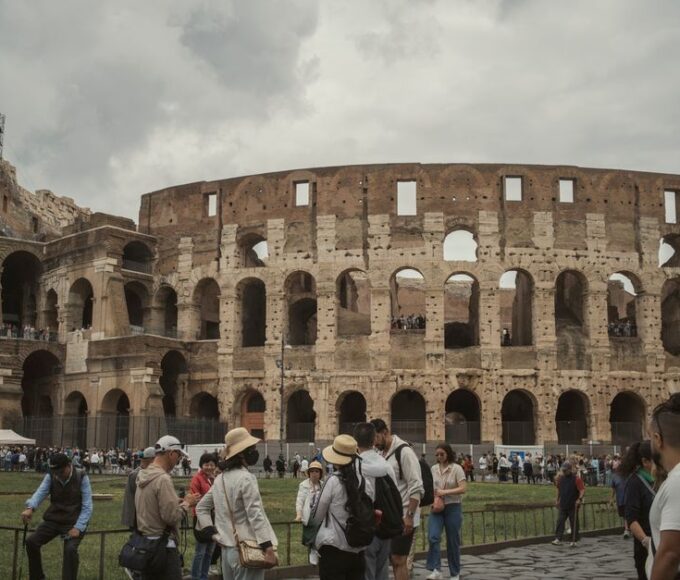

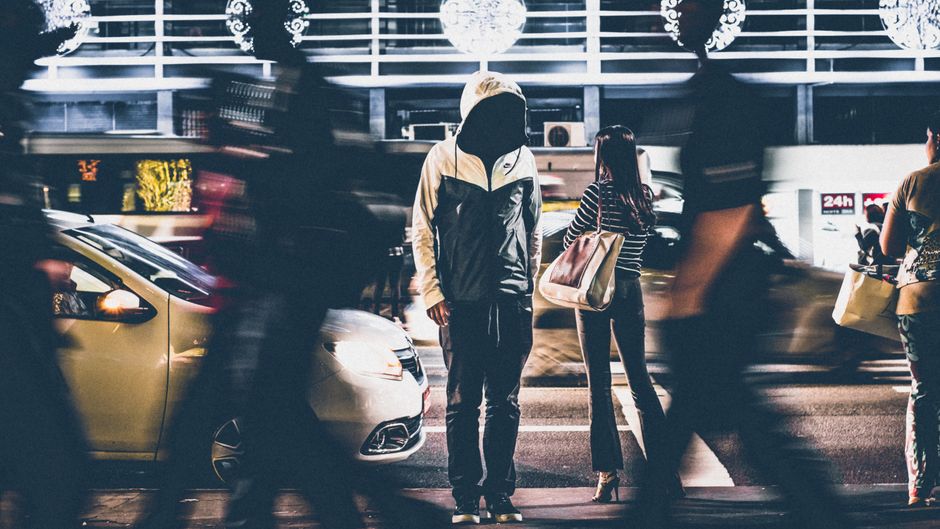
To travel safely in big cities without acting paranoid, the key is informed awareness, not constant fear. This means understanding common urban risks like pickpocketing, especially in tourist hotspots in places like Lisbon or Paris, and taking proactive, subtle steps to mitigate them. It’s about blending in, securing your valuables discreetly, and trusting your intuition, allowing you to enjoy your travels in cities across Europe, North America, and South America with confidence.
Stepping off the plane into a bustling international metropolis – be it the historic streets of Lisbon, the romantic avenues of Paris, or the vibrant plazas of Mexico City – is an exhilarating experience. The sights, the sounds, the smells; it’s a sensory feast. But for many first-time international travelers, this excitement can be tempered by a nagging worry: How do I travel safely in big cities without acting paranoid in real life?
It’s a valid concern. We hear stories, we read headlines, and the idea of being targeted can make anyone apprehensive. However, the vast majority of urban travel is uneventful and incredibly rewarding. The trick isn’t to walk around in a bubble of fear, but rather to adopt a savvy, street-smart mindset that keeps you secure without detracting from the joy of discovery.
Think of it as learning the local rhythm. Just like you’d learn a few phrases of a new language or how to navigate a public transport system, understanding the subtle art of city travel safety tips becomes part of your preparation. It allows you to be present, to soak in the culture, and to truly enjoy your adventure, whether you’re admiring the Eiffel Tower or exploring the markets of Coyoacán.
Understanding the Real Risks: Beyond the Headlines
Before you even pack your bags, it’s crucial to differentiate between exaggerated fears and genuine, albeit manageable, risks. When we talk about travel safety in big cities, the primary concern for most tourists isn’t violent crime, but rather petty theft – specifically pickpockets and bag snatchers. These individuals operate on opportunity, targeting those who appear distracted, disoriented, or overly flashy.
Pickpockets: The Invisible Threat
Pickpocketing is an art form perfected in crowded tourist areas worldwide. Think of the packed metro lines in Paris, the queues for the Belém Tower in Lisbon, or the bustling zócalo in Mexico City. These are prime hunting grounds. They rely on your distraction – perhaps you’re engrossed in your phone, admiring architecture, or struggling with a map.
- The Distraction Team: Often, pickpockets work in pairs or small groups. One might bump into you, ask for directions, or create a diversion while another subtly removes your wallet or phone.
- Common Targets: Back pockets, unzipped backpacks, open handbags, and phones left on café tables are all easy targets.
The goal isn’t to be constantly suspicious of everyone, but to be aware of your surroundings and make yourself a less appealing target. You don’t need to be paranoid; you just need to be prepared.
Strategic Planning: Before You Even Leave Home
Smart travel begins long before you reach your destination. A little foresight goes a long way in ensuring you can travel safely in big cities.
Researching Safe Neighborhoods and Routes
Before booking accommodation, do a quick search on “safe neighborhoods in [City Name]”. Look for areas with good public transport links and positive reviews regarding safety. For instance, in Mexico City, areas like Roma Norte or Condesa are generally considered very safe for tourists, while some other districts might require more vigilance, especially at night. In Lisbon, Chiado and Baixa are central and well-lit. In Paris, the Marais or Saint-Germain-des-Prés offer a delightful and secure base.
Beyond neighborhoods, check your routes. Google Maps allows you to preview street views, which can give you a sense of an area. While walking directions, especially at night, consider sticking to well-lit, populated streets even if it means a slightly longer route.
Your Ultimate Airport Transfer Guide: When to Use Train, Taxi, Shuttle, or Rideshare
Digital Backups and Document Protection
Before you go, make digital copies of your passport, visa, flight tickets, hotel reservations, and credit cards. Email them to yourself, store them on a cloud service, and leave copies with a trusted person back home. This won’t prevent theft, but it will significantly ease the pain of replacement should your originals go missing. Keep your physical passport and a main credit card in a secure place, like a hotel safe, and carry only a photocopy for daily use if permitted, or a second form of ID.
On the Ground: Subtle Strategies for Daily Safety
This is where the “not acting paranoid” part really comes into play. These are habits you can adopt that blend smoothly into your day, making you less vulnerable without making you look like a walking security alert.
Blending In: The Art of Not Looking Like a Tourist
While you can’t always hide your tourist status, you can avoid broadcasting it. Avoid flashy jewelry, designer bags, or cameras dangling conspicuously. Dress comfortably and respectfully, observing how locals dress. In many European cities, comfortable but stylish attire is common, while in parts of South America, casual but neat is often the norm. A bright, patterned fanny pack might be practical, but it also screams “tourist with valuables!” Consider a sling bag worn across your chest, or better yet, a discreet travel wallet worn under your clothes.
Money Management: Smart Ways to Carry Cash and Cards
Never carry all your cash and all your cards in one place. Divide your money: some in a secure travel wallet under your clothes, some in a front pocket, and a small amount in your wallet for daily transactions. This way, if your wallet is pickpocketed, you haven’t lost everything.
- ATMs: Use ATMs in well-lit, busy areas, preferably inside a bank during business hours. Be wary of suspicious attachments to card readers.
- Credit Cards: Stick to one main credit card for most purchases. Keep a backup in your hotel safe. Notify your bank of your travel plans to avoid card freezing.
Situational Awareness: Your Best Defense
This is perhaps the most crucial city travel safety tip. It’s not about being on high alert, but about being present and observant. Put away your phone when navigating busy areas. Make eye contact occasionally. Notice who is around you.
- In Crowds: Keep your bag in front of you, with a hand on it if possible. Be wary of sudden bumps or distractions.
- On Public Transport: Hold onto your belongings. In the Lisbon metro, for instance, pickpockets are known to operate on crowded lines, especially those leading to popular tourist sites. The same applies to the Paris Métro.
- Cafés and Restaurants: Don’t hang your bag on the back of your chair or leave your phone unattended on the table. Keep it on your lap or between your feet.
- Street Vendors and Markets: These are often bustling and distracting. Keep your guard up.
Trust your gut. If a situation feels off, remove yourself. It’s better to be overly cautious than to regret it.

Specific City Insights: Lisbon, Paris, and Mexico City
While general advice helps, understanding local nuances can make a big difference when you travel safely in big cities.
Lisbon: Charm with a Side of Caution
Lisbon is incredibly charming, but its narrow, hilly streets and popular tram 28 route are notorious for pickpockets. When riding the tram or exploring areas like Alfama or Baixa, keep your bags secured. At night, stick to well-lit, populated streets in the city center. While generally safe, some areas on the outskirts might be less tourist-friendly.
Paris: The City of Lights and Light Fingers
Paris, for all its beauty, has a significant pickpocketing problem, particularly around major attractions like the Eiffel Tower, the Louvre, Notre Dame, and on the Métro. Be especially vigilant in these areas. Groups posing as petition signers are a common scam; politely but firmly ignore them. Keep your phone secure, as snatch-and-run thefts are also prevalent.
Create Memorable Vacations with Bookabach Holiday Home Rentals
Mexico City: Vibrant Culture, Smart Choices
Mexico City is a fantastic destination, offering incredible history and food. While many central tourist areas like Roma, Condesa, Coyoacán, and Polanco are safe, general awareness is key. Avoid displaying expensive electronics or jewelry. Use reputable taxi services (like official airport taxis or ride-sharing apps like Uber/Didi, never hail one off the street randomly). Be cautious when using ATMs. At night, it’s best to use ride-sharing services rather than walking long distances, even in otherwise safe neighborhoods.
Emergencies and What to Do
Even with the best preparation, things can happen. Knowing what to do in an emergency can reduce stress.
- Lost or Stolen Items: Report it to the local police immediately. You’ll need a police report for insurance claims.
- Emergency Numbers: Know the local emergency number (e.g., 112 in Europe, 911 in North America, 911 in Mexico).
- Embassy/Consulate: Know the location and contact information for your country’s embassy or consulate. They can assist with lost passports or other serious issues.
Frequently Asked Questions About City Travel Safety
Is it safe to walk alone at night in major cities?
Generally, walking alone at night in major cities can be safe in well-lit, populated tourist areas. However, it’s always advisable to stick to main thoroughfares, avoid shortcuts through dimly lit streets, and use ride-sharing services or taxis when venturing further or in less familiar areas. Trust your intuition; if an area feels off, avoid it.
What should I do if I am approached by a scammer?
If approached by a scammer, the best strategy is to firmly and politely say “no” and walk away. Avoid engaging in conversation, making eye contact, or allowing them to physically touch you. Maintain a confident demeanor and continue on your way. Most scammers rely on your politeness or distraction to execute their schemes.
How can I protect my passport and important documents while traveling?
Protect your passport and important documents by keeping them in a secure, hidden place, such as a money belt worn under your clothes or a hotel safe. Only carry a photocopy of your passport for daily identification, if legally permissible, and keep original documents secure for international travel or border crossings.
Are ride-sharing apps like Uber safe in international cities?
Ride-sharing apps like Uber and Didi are generally considered a safer option in many international cities compared to hailing taxis off the street, as they offer GPS tracking, driver identification, and cashless payments. Always confirm the license plate and driver’s name before getting into the vehicle to ensure it matches the app’s information.
What are common signs of a pickpocket in a crowd?
Common signs of a pickpocket include individuals loitering too close in crowded areas, unusual physical contact (like a bump or squeeze), someone attempting to distract you (e.g., asking for directions while another person is too close), or groups of people seemingly aimlessly milling around. Be extra aware in busy tourist spots or on public transport.
Should I carry a “decoy” wallet?
Some travelers find it useful to carry a “decoy” wallet with a small amount of cash and an expired card or two. In the event of a mugging or strong-arm robbery, you can hand over the decoy wallet, potentially satisfying the assailant while protecting your main valuables. This is a personal choice and depends on your comfort level.
Enjoy Your Urban Adventure, Responsibly
The world’s big cities are incredible tapestries of culture, history, and innovation, waiting to be explored. By adopting a mindset of informed awareness rather than paranoia, you can travel safely in big cities and fully immerse yourself in the experience. These city travel safety tips aren’t meant to scare you, but to empower you to explore with confidence and common sense, whether you’re navigating the intricate metro systems of Europe or the vibrant street markets of South America. Don’t let fear dictate your travels; let smart preparation open up new horizons.
Plan smarter trips with Le Daily Post for more essential travel advice and destination guides.