
We’ve all been there: eyeing that trendy top for just €25, or perhaps a pair of jeans on sale for €40. The initial price tag feels like a win, a bargain even. But then, after a few washes, the fabric starts to pill, a seam unravels, or the fit just isn’t quite right anymore. Suddenly, that ‘bargain’ ends up relegated to the back of the closet, maybe even the donation pile, far sooner than anticipated. This isn’t just about disappointing purchases; it’s about a fundamental misunderstanding of value in our wardrobes.
For students navigating tight budgets in cities like London or young professionals starting their careers in Sao Paulo or Madrid, every euro, pound, or real spent on clothing needs to count. The challenge isn’t just affording clothes; it’s affording clothes that genuinely serve their purpose, look good, and don’t require constant replacement. This is where the concept of the real cost per wear of popular wardrobe staples becomes not just useful, but essential. It’s the difference between throwing money at fast fashion and investing wisely in a wardrobe that supports your lifestyle.
Thinking in terms of cost per wear means shifting your focus from the immediate gratification of a low price to the long-term satisfaction and savings derived from durability and versatility. It’s a mindset that prioritizes quality, timelessness, and intentionality, ensuring your hard-earned cash builds a functional, stylish wardrobe rather than a revolving door of disposable items.
Understanding the Basics of Cost Per Wear
Before we dive into specific examples, let’s lay out the core principles. The cost per wear model is straightforward but incredibly impactful:
- It’s a Value Metric: It’s not about how cheap an item is, but how much value you extract from its purchase price over its lifetime.
- Durability Matters: High-quality materials and construction directly reduce cost per wear by increasing an item’s longevity.
- Versatility is Key: A piece that can be styled in multiple ways for various occasions gets worn more often, lowering its cost per wear significantly.
- Timelessness Pays Off: Classic styles transcend fleeting trends, ensuring they remain relevant and wearable for years.
- Care Reduces Cost: Proper garment care (washing, storing, mending) extends an item’s life, boosting its wear count.
- Your Lifestyle Dictates Needs: A professional’s ‘staples’ will differ from a student’s, but the cost per wear principle applies universally.
- Investment vs. Expense: Viewing certain purchases as investments rather than mere expenses changes your purchasing calculus.
The Real Cost Per Wear of Popular Wardrobe Staples: A Deep Dive
Let’s break down some common wardrobe items and consider how their cost per wear plays out in practice across different price points and quality levels.
1. The Everyday T-Shirt: More Than Just a Basic
A simple t-shirt seems like a no-brainer, but its cost per wear can vary wildly.
The Fast Fashion Tee vs. The Quality Basic
- Fast Fashion Example: A basic tee from a popular chain (think Primark or H&M) might cost €10. You wear it 5-10 times before it loses its shape, shrinks, or develops holes. Cost Per Wear: €1.00 – €2.00.
- Mid-Range Example: A heavier weight, better-quality cotton tee from a brand like Uniqlo or Everlane might be €30-€40. With proper care, you wear it 50-100 times. Cost Per Wear: €0.30 – €0.80.
- Premium Example: A supima cotton or organic cotton tee from a brand like A.P.C. or Sunspel could be €70-€90. Designed for longevity, these can easily last for 150-200 wears. Cost Per Wear: €0.35 – €0.60.
The Trade-Off: While the initial outlay for a premium tee is higher, its superior fabric and construction mean it holds up significantly better, looking new for longer and offering a substantially lower cost per wear over its lifespan. For someone working in North America who relies on comfortable yet polished casual wear, this investment pays dividends.
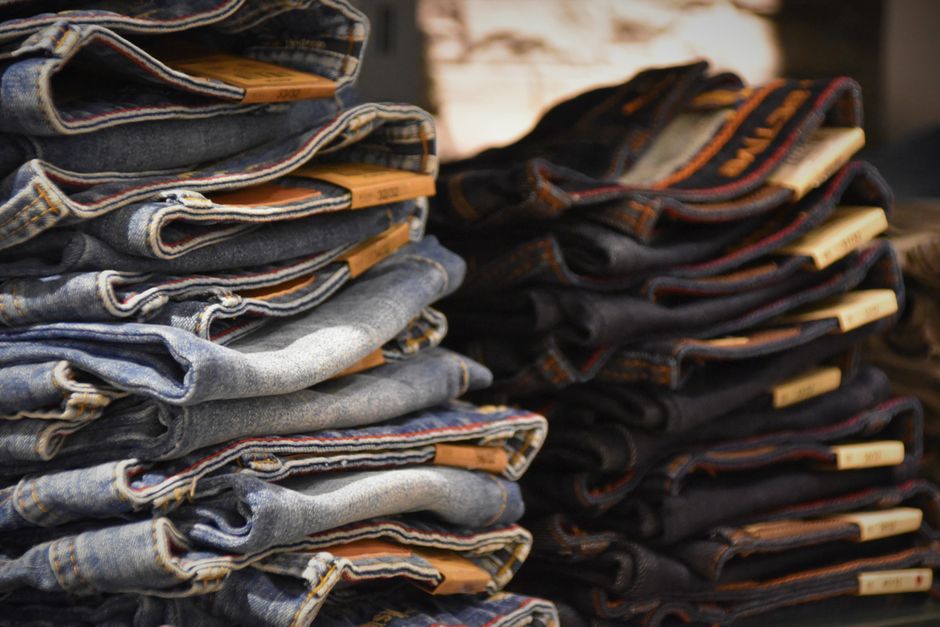
2. Denim Jeans: The Foundation of Many Outfits
Jeans are a global staple, from the streets of London to the casual offices of Sao Paulo.
The Practical Guide to Accessories That Upgrade Simple Outfits
Disposable Denim vs. Lasting Investment
- Budget Jeans: A pair from a discount retailer for €30-€50. Often made with thinner denim, poor stitching, and stretch fabrics that bag out. Worn 20-30 times before showing significant wear. Cost Per Wear: €1.00 – €2.50.
- Mid-Tier Jeans: Brands like Levi’s, Lee, or Gap, costing €80-€120. These typically use better quality denim and construction. With care, they can be worn 100-200 times. Cost Per Wear: €0.40 – €1.20.
- Premium Denim: Brands like Nudie Jeans, Edwin, or AG Jeans, ranging from €150-€250. These often feature selvedge denim, reinforced seams, and exceptional durability. They can last for 300+ wears, often improving with age. Cost Per Wear: €0.50 – €0.83.
The Trade-Off: Good quality denim, especially raw or selvedge, might feel stiff initially and require careful breaking in, but it develops a unique patina and molds to your body. Investing in quality denim means fewer purchases over time, reducing environmental impact and saving money in the long run. Many brands even offer repair services for their premium denim, further extending their life.
3. The Versatile Dress or Skirt: From Office to Evening
For women, a versatile dress or skirt is a true workhorse, especially in climates that allow for year-round wear, common in much of South America and Southern Europe.
Trendy vs. Timeless
- Trendy Dress (Fast Fashion): A cute patterned dress for €35. Worn 10-15 times before the fabric fades, the shape distorts, or it simply goes out of style. Cost Per Wear: €2.33 – €3.50.
- Mid-Range A-Line Skirt: A well-made wool blend or durable cotton A-line skirt from brands like Cos or Zara (premium lines) for €70-€100. It can be dressed up or down, worn in different seasons with clever layering, and styled 50-80 times. Cost Per Wear: €0.88 – €2.00.
- Classic Little Black Dress (LBD): A high-quality LBD from a brand like Hobbs or Sandro, priced at €200-€400. This piece is meant to be a staple for years, suitable for countless occasions from Madrid’s evening events to North American business dinners. With proper tailoring and care, it can be worn 100-200 times over a decade. Cost Per Wear: €1.00 – €4.00 (but the value in versatility and enduring style is immense).
The Trade-Off: A classic dress or skirt might seem expensive, but its ability to be styled for various events, combined with superior fabrication, ensures it remains a go-to piece year after year. Think about a classic trench coat too – a Burberry, even a secondhand one, offers incredible cost per wear given its longevity and timeless appeal.
4. Footwear: Investing in Comfort and Durability
Our feet take us everywhere, so footwear is perhaps where cost per wear is most critical, especially for students walking across large campuses or professionals commuting in bustling cities.
Disposable Shoes vs. Quality Footwear
- Fast Fashion Sneakers/Flats: A pair for €20-€40. Offers minimal support, wears out quickly, and often needs replacing after 3-6 months (20-50 wears). Cost Per Wear: €0.40 – €2.00.
- Mid-Range Leather Loafers/Quality Sneakers: Brands like Clarks, Veja, or reputable leather goods manufacturers for €100-€180. With good care and potential re-soling, these can last 2-5 years (150-300 wears). Cost Per Wear: €0.33 – €1.20.
- Premium Leather Boots/Dress Shoes: Brands like Allen Edmonds, Church’s, or Portuguese artisan shoes, costing €300-€600. Designed to be resoled multiple times and last for 10-20 years (500-1000+ wears). Cost Per Wear: €0.30 – €1.20.
The Trade-Off: High-quality footwear is an investment in comfort, foot health, and enduring style. While the upfront cost is significant, the ability to repair and maintain premium shoes drastically extends their life, making their long-term cost per wear exceptionally low. This is particularly true for leather shoes that can be shined, conditioned, and re-soled, common practice in European footwear culture.
5. Outerwear: The Long-Term Climate Shield
Whether it’s chilly evenings in London, rainy days in Sao Paulo, or crisp North American winters, good outerwear is essential.
Seasonal Jackets vs. Enduring Coats
- Trendy Jacket (Lightweight Bomber/Cardigan): Purchased for €40-€60. Worn for a season or two, perhaps 20-30 times. Cost Per Wear: €1.33 – €3.00.
- Mid-Range Parka/Wool Coat: From brands like The North Face, Columbia, or good high-street options for €150-€250. Designed for durability and warmth, lasting 3-5 years (100-200 wears). Cost Per Wear: €0.75 – €2.50.
- Premium Investment Coat (Trench, Down Parka, Wool Overcoat): A classic wool coat from Mackage or a well-regarded trench from Massimo Dutti, priced at €350-€800. These are built to last a decade or more, worn 20-50 times a year. Cost Per Wear: €0.70 – €4.00.
The Trade-Off: A well-chosen piece of outerwear can be the most enduring item in your closet. Its durability protects you from the elements, and its timeless style ensures it complements various outfits season after season. Given the protective function and visibility of outerwear, the return on investment for a quality piece is often unparalleled.
FAQ: Answering Your Cost Per Wear Questions
What exactly should readers know about cost per wear wardrobe?
Readers should understand that a cost per wear wardrobe prioritizes smart, intentional purchases over impulse buys. It shifts focus from low sticker prices to long-term value, encouraging investments in durable, versatile, and timeless pieces. This approach ultimately leads to saving money, reducing waste, and building a more functional and stylish closet that truly serves your needs.
Don’t Be ‘That Tourist’: Common Fashion Mistakes Travelers Make in Walkable Cities
How do I calculate the cost per wear for my clothes?
To calculate cost per wear, simply divide the item’s purchase price by the number of times you’ve worn it or realistically expect to wear it. For example, a €50 shirt worn 25 times has a cost per wear of €2. Tracking your wears, even mentally for new purchases, helps you visualize this metric effectively.
Does ‘cost per wear’ only apply to expensive items?
No, the concept of cost per wear applies to all clothing, regardless of price. Even an inexpensive item that you wear frequently and care for well can have a low cost per wear. Conversely, an expensive item worn only once or twice will have a very high cost per wear, highlighting its poor value.
How can I lower the cost per wear of my existing wardrobe?
You can lower your existing wardrobe’s cost per wear by wearing items more frequently, taking excellent care of them (following washing instructions, proper storage), mending minor damages promptly, and learning to style versatile pieces in new ways for different occasions. Even basic tailoring can revive a forgotten item.
Is quality always better for a lower cost per wear?
Generally, higher quality often correlates with lower cost per wear because durable materials and superior construction withstand more use. However, a less expensive item worn consistently and cared for diligently can still outperform a more expensive item that sits unworn or falls apart due to poor care.
Key Takeaways for a Smarter Wardrobe
Embracing the principle of the real cost per wear of popular wardrobe staples is a practical advantage for anyone looking to build a more efficient, stylish, and sustainable closet. It moves you away from the trap of disposable fashion and towards mindful consumption.
Invest in quality basics: These are the workhorses of your wardrobe. A well-made pair of jeans, a classic t-shirt, or a versatile dress will outlast cheaper alternatives, providing more value over time. Think about the craftsmanship and materials – a simple cotton t-shirt with strong seams and good fabric density will outperform a flimsy one any day.
Prioritize versatility: Choose pieces that can be mixed and matched, dressed up or down. A neutral-colored blazer, for instance, can improve jeans and a t-shirt or complement a dress, proving its worth across countless outfits and occasions. This flexibility directly lowers its cost per wear.
Practice good garment care: This is perhaps the most overlooked aspect. Washing correctly, storing properly, and making minor repairs (a button, a loose seam) can significantly extend an item’s life, boosting its wear count and thus reducing its cost per wear. It’s a simple, free way to maximize your clothing investments.
Ready to improve your shopping habits and build a wardrobe that truly works for you? Explore more practical style guides on Le Daily Post.