
When most people think of Patagonia, they conjure images of dramatic peaks, sapphire glaciers, and untouched wilderness. And for good reason – it’s one of the planet’s most awe-inspiring destinations. But if you’re coming from places like Europe or North America, the sheer distance, coupled with a perception of high costs, can make a first trip to Patagonia feel like a pipe dream. Many first-time international travelers assume it’s an expedition reserved for seasoned backpackers or those with limitless budgets.
The reality, however, is far more accessible. While Patagonia isn’t as cheap as, say, Southeast Asia, it’s also not the budget-breaker many fear. With smart planning and a few insider tips, you absolutely can plan a first trip to Patagonia without overspending. It just requires a bit of strategic thinking and a willingness to embrace local experiences.
Think of it this way: a weekend in New York City or a few days in Barcelona can easily rack up a significant bill. Patagonia, for all its epic grandeur, often costs less for a multi-week adventure than you might spend on a shorter, less impactful trip in other popular destinations, especially if you know how to manage your Patagonia travel planning budget effectively.
Understanding the Patagonia Cost Landscape: What Drives Prices?
Patagonia stretches across two countries, Argentina and Chile, a vast region roughly the size of France. This means your travel plans will likely involve crossing borders, dealing with different currencies (Argentine Pesos and Chilean Pesos), and navigating distinct logistical challenges. The primary cost drivers are international flights, internal transport within South America, accommodation in key trekking hubs, and specialized guided tours.
For travelers coming from Europe or North America, the long-haul flight to major South American hubs like Buenos Aires, Santiago, or even São Paulo is often the single most expensive component. From there, you’ll need to connect to regional airports like El Calafate or Ushuaia in Argentina, or Punta Arenas or Puerto Natales in Chile. These domestic flights, especially during peak season, can add up quickly. Understanding these factors is crucial to plan a first trip to Patagonia without overspending.
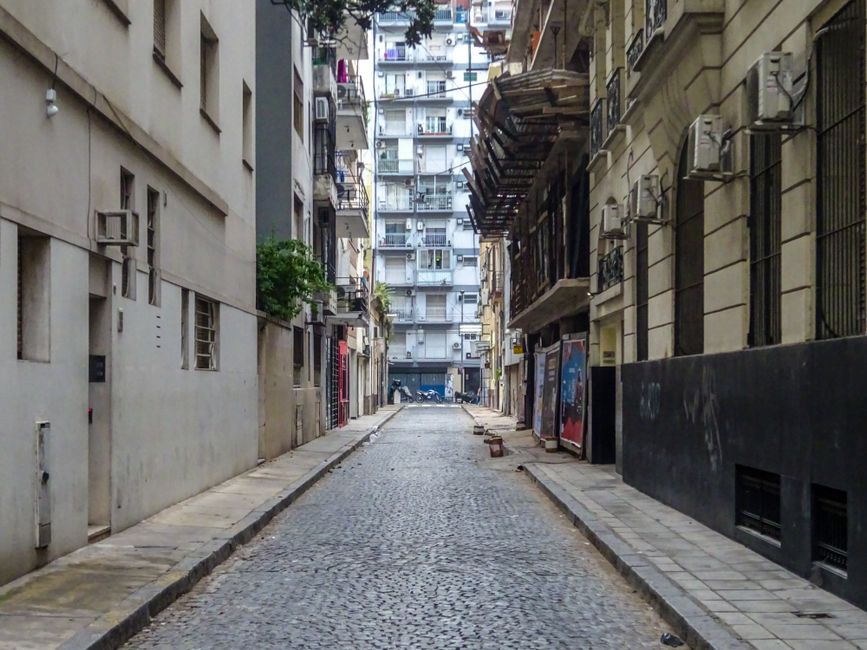
Exploring the vibrant streets of Buenos Aires before heading south to Patagonia.
Practical Strategies to Plan a First Trip to Patagonia Without Overspending
Getting to Patagonia on a budget requires more than just hoping for cheap flights. It demands a tactical approach. Here’s how to make it happen:
1. Book Flights Early, and Be Flexible
This is arguably the most impactful tip for your Patagonia travel planning budget. International flights to South America are usually cheapest 3-6 months out. Use flight aggregators like Google Flights, Skyscanner, or Momondo and set price alerts. Consider flying into major hubs like Buenos Aires (EZE) or Santiago (SCL) first, as these are often cheaper than direct connections to Patagonia. From there, you can book internal flights with local carriers like Aerolíneas Argentinas, LATAM, or Sky Airline. Flying mid-week or during the shoulder seasons (spring: October-November; fall: March-April) can yield significant savings. A common mistake is waiting too long, which locks you into premium prices.
2. Embrace Hostels and Guesthouses
Forget luxury hotels if you want to plan a first trip to Patagonia without overspending. Hostels in Argentina and Chile are often excellent, offering private rooms alongside dorms, and frequently include breakfast. They’re also fantastic places to meet other travelers and share tips or even taxi costs. Look for options with shared kitchens – cooking just a few meals can save a lot. In towns like El Chaltén, El Calafate, or Puerto Natales, you’ll find plenty of well-rated, budget-friendly choices.
Create Memorable Vacations with Bookabach Holiday Home Rentals
3. Prioritize Free Hiking and Self-Guided Adventures
Patagonia’s main draw is its incredible natural beauty, much of which is accessible for free. The iconic trails in El Chaltén (like Fitz Roy and Cerro Torre) require no guide or permit, just good preparation. Torres del Paine National Park in Chile charges an entrance fee, but once inside, you can explore independently. Rather than paying for expensive day tours to viewpoints, consider using local buses to trailheads and hiking yourself. For most readers, this is where the real value lies.
4. Cook Your Own Meals (Sometimes)
Eating out every night in Patagonia, especially in tourist-centric towns, adds up. Pop into local supermarkets (e.g., Jumbo or Coto in Argentina, Lider or Santa Isabel in Chile) and stock up on essentials for breakfast, lunch, and a few dinners. Bread, cheese, cold cuts, pasta, and fruits are relatively affordable. Many hostels and guesthouses offer kitchen facilities. Enjoying a hearty packed lunch on a trail is not just budget-friendly, it’s part of the authentic experience.
5. Leverage Long-Distance Buses for Internal Travel
While domestic flights save time, long-distance buses are significantly cheaper and surprisingly comfortable in South America. Companies like Andesmar or Via Bariloche in Argentina, or Bus-Sur in Chile, offer services between major Patagonian towns. For example, the bus from El Calafate to El Chaltén is a scenic and affordable option. For the journey from Buenos Aires down to Patagonia, an overnight bus can save on a night’s accommodation too.
6. Consider Shoulder Season Travel
Peak season (December to February) brings the best weather but also the highest prices and biggest crowds. Traveling in the shoulder seasons (October-November or March-April) means pleasant weather, fewer people, and noticeably lower prices for flights and accommodation. You’ll still get incredible hiking conditions, often with the added bonus of autumn foliage or spring wildflowers, making your Patagonia travel planning budget stretch further.
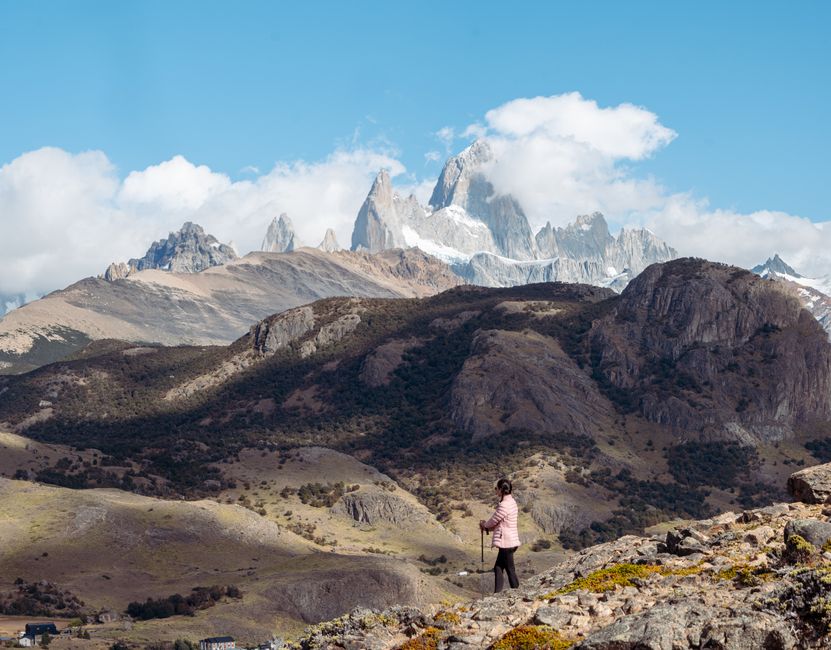
Two hikers enjoying the breathtaking views of the Fitz Roy massif in El Chaltén, Argentina.
Comparing Patagonian Destinations for Budget Travelers
While the entire region is stunning, some areas are naturally more budget-friendly than others. Here’s a quick comparison:
| Destination | Highlights | Budget Friendliness | Notes |
|---|---|---|---|
| El Chaltén, Argentina | Fitz Roy, Cerro Torre, Glaciers | High | Known as Argentina’s Trekking Capital. Most major trailheads are walking distance from town, requiring no transport costs. Abundant free hiking. |
| Puerto Natales, Chile | Gateway to Torres del Paine | Medium | Torres del Paine has entrance fees and can be expensive for multi-day treks. Town offers good hostel options and local eateries. |
| El Calafate, Argentina | Perito Moreno Glacier | Medium | Perito Moreno tours and national park entrance add costs. Town has more tourist infrastructure, making dining a bit pricier. |
| Ushuaia, Argentina | Tierra del Fuego, End of the World | Low | Often seen as a cruise port. Activities like boat trips and national park entry are costly. Flights are also typically more expensive. |
Common Mistakes to Avoid When Budgeting for Patagonia
Even with the best intentions, it’s easy to fall into budget traps. Here’s what to watch out for:
Over-relying on credit cards for everything: While major establishments accept cards, many smaller restaurants, shops, and tour operators, especially in remote towns, are cash-only or charge extra for card payments. Always have local currency on hand. Exchanging money in Buenos Aires often gives better rates than in smaller Patagonian towns.
Escape to Comfort and Adventure with Bookabach Holiday Rentals
Ignoring travel insurance: This isn’t where you want to cut corners. Patagonia involves adventure sports and remote locations. A sprained ankle on a trail or lost luggage can turn an affordable trip into a financial nightmare. Comprehensive travel insurance is a non-negotiable expense.
Booking last-minute during peak season: This is a surefire way to pay top dollar. Accommodation and popular tours fill up fast from December to February. If you’re traveling then, book essential elements well in advance to secure better prices.
Packing inappropriately: Patagonia’s weather is famously fickle, often experiencing four seasons in a day. Showing up without proper layering, waterproof gear, and sturdy hiking boots means you’ll either be miserable or forced to buy expensive gear on arrival. Pack smart, and you’ll save money and discomfort.
Not accounting for national park fees: While much of Patagonia’s beauty is free to access, iconic parks like Torres del Paine in Chile and Los Glaciares (for Perito Moreno) in Argentina have entrance fees. Factor these into your Patagonia travel planning budget from the outset.
Frequently Asked Questions About Patagonia Travel Planning Budget
How much does a typical 2-week trip to Patagonia cost?
A 2-week trip to Patagonia can range from $2,000 to $4,000 USD per person, excluding international flights. This estimate assumes a mix of hostel stays, some self-catering, budget-friendly activities like free hiking, and local transport. Your biggest variable costs will be flights and the types of tours you choose.
Is it cheaper to visit the Chilean or Argentine side of Patagonia?
Generally, the Argentine side of Patagonia (e.g., El Chaltén) can be slightly more budget-friendly for hikers due to the abundance of free, world-class trails. Chile (e.g., Torres del Paine) often incurs higher national park fees and can have pricier accommodation. However, costs are comparable overall, especially with currency fluctuations.
What is the best time of year to visit Patagonia for budget travelers?
The shoulder seasons of spring (October-November) and fall (March-April) are ideal for budget travelers. You’ll find lower prices for flights and accommodation compared to the peak summer months (December-February), enjoy pleasant weather, and encounter fewer crowds, making it easier to plan a first trip to Patagonia without overspending.
How far in advance should I book flights to Patagonia?
For international flights to South America, aim to book 3-6 months in advance for the best prices. For internal flights within Argentina or Chile, booking 1-3 months ahead is usually sufficient. Flexibility with your travel dates can also lead to significant savings on airfare.
Can I hitchhike in Patagonia to save on transport?
Hitchhiking is still practiced in some parts of rural Patagonia, especially between smaller towns like El Chaltén and El Calafate. While it can save money, it requires significant flexibility with your schedule and safety precautions. For a first-time international traveler, relying on reliable bus services is generally recommended for efficiency and safety.
Planning a first trip to Patagonia without overspending is entirely achievable with strategic thinking and embracing local options. From booking early to cooking your own meals and prioritizing free natural wonders, every decision can impact your budget. For more insights into planning smarter and more affordable adventures, plan smarter trips with Le Daily Post.