

Healthy snacks for travel, office, and study days are essential for maintaining energy levels, focus, and overall well-being, preventing the slump that often comes from processed, sugary foods. They bridge the gap between meals, stabilize blood sugar, and provide vital nutrients. The World Health Organization (WHO) emphasizes a balanced diet including fruits, vegetables, and whole grains, all of which can be incorporated into portable snacks. Prioritizing these healthy options helps avoid overeating at main meals and supports sustained cognitive function, whether you’re commuting across North America, working in a European office, or studying late in South America.
Whether you’re jet-setting across continents, powering through a demanding workday, or burning the midnight oil for an exam, the siren song of convenience often leads us straight to unhealthy food choices. A bag of chips from the airport vending machine, a sugary pastry from the office kitchen, or late-night takeout during a study session might offer a fleeting burst of energy, but it’s usually followed by a crash, leaving you feeling sluggish, unfocused, and often guilty. The truth is, staying fueled and focused doesn’t have to mean compromising your health goals.
The key to sustained energy and mental clarity lies in smart, pre-planned healthy snacks for travel days, office days, and study days. Think beyond the immediate craving and consider what truly nourishes your body and brain. This guide is your practical playbook, packed with actionable advice, specific snack ideas, and even brand recommendations that will keep you on track, no matter where your busy life takes you.
Let’s dive into how you can make nutritious choices easy and accessible, whether you’re navigating the bustling streets of a European capital, working in a high-rise in North America, or studying at a university in South America.
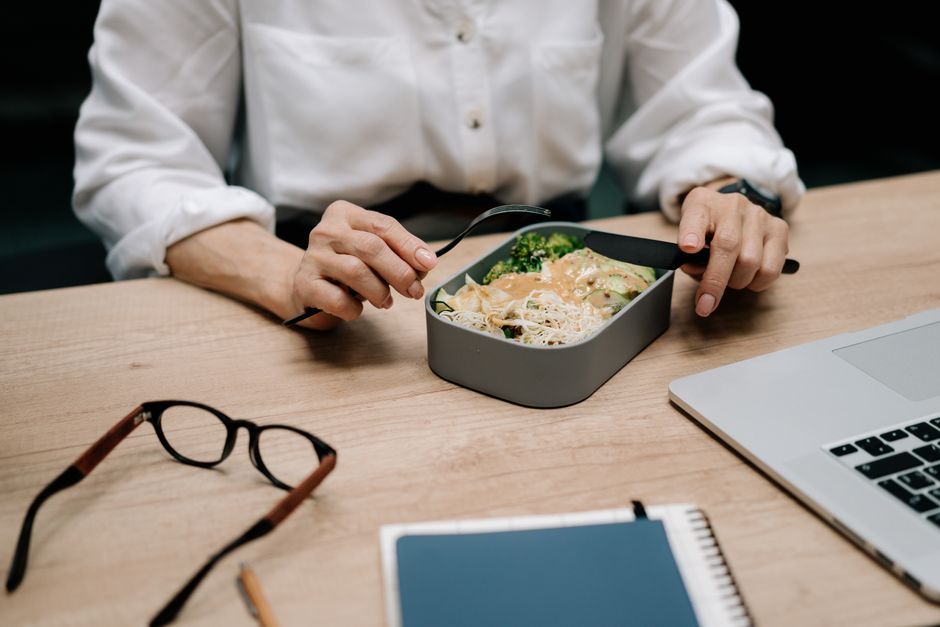
Fueling your body right is crucial for sustained energy and focus.
Why Healthy Snacking is Non-Negotiable for Busy Lifestyles
It’s easy to dismiss snacking as an indulgence, but when done right, it’s a critical component of a healthy diet, especially for those with packed schedules. The NHS (National Health Service) guidelines consistently highlight the importance of regular, balanced meals and snacks to maintain stable blood sugar levels, preventing energy dips and cravings that can derail your productivity and mood. Skipping meals or relying on highly processed foods often leads to overeating later or making poor choices due to extreme hunger.
Consider the cumulative effect: a sugary drink and a pastry for breakfast, followed by an unhealthy lunch, and then a quick sugar fix in the afternoon creates a roller coaster of blood glucose and energy. Conversely, a thoughtful snack plan helps you manage hunger, maintain focus, and provide your body with a steady supply of nutrients. This is particularly vital for cognitive function during long meetings or intense study periods.
The Power of Preparation: Your First Line of Defense
The single most effective strategy for integrating healthy snacks into your routine is preparation. Impulse buys are almost always unhealthy buys. A common mistake is leaving your snack choices to chance. When hunger strikes and you’re unprepared, convenience almost always trumps nutrition.
Create a Simple Weekly Wellness Check-In: A Realistic Checklist for Busy Parents
- Weekend Prep: Dedicate a small portion of your weekend to washing and chopping fruits and vegetables, portioning nuts, or making a batch of healthy muffins or energy bites.
- Dedicated Snack Stash: Keep a drawer at your office or a corner of your backpack stocked with non-perishable options. This is your emergency healthy snack fund.
- Reusable Containers: Invest in good quality, spill-proof containers. Brands like Sistema or Tupperware are readily available in most major supermarkets across Europe, North America, and South America, and make packing a breeze.
Healthy Snacks for Travel Days: Navigating Airports, Trains, and Road Trips
Travel days are notorious for limited healthy options and inflated prices. Being prepared means avoiding airport food courts filled with greasy offerings or gas station snacks loaded with sugar and salt. Here’s how to pack smart for your journey:
Hydration First
Before you even think about food, remember hydration. Dehydration can mimic hunger, leading to unnecessary snacking. Carry a reusable water bottle (empty through airport security, then fill up). Many airports now have water refill stations, from Heathrow in London to Atlanta’s Hartsfield-Jackson.
Portable & Non-Perishable Winners
- Nuts and Seeds: Almonds, walnuts, cashews, pumpkin seeds, and sunflower seeds are nutrient-dense powerhouses. They provide healthy fats, protein, and fiber, keeping you full for longer. Portion them into small baggies or containers to avoid overeating.
- Dried Fruit (in moderation): Raisins, dried apricots, or dates offer natural sugars for quick energy, but are calorie-dense, so watch portion sizes. Mix them with nuts for a balanced trail mix.
- Whole-Grain Crackers with Nut Butter Packets: Look for brands like Triscuit or Wasa crackers. Individual squeeze packets of almond or peanut butter (e.g., Justin’s or RXBar Nut Butter) are perfect for travel – no refrigeration needed.
- Energy Bars/Protein Bars: Choose wisely. Look for bars with minimal added sugar, a good source of protein (10g+) and fiber (3g+). Brands like RXBAR, KIND bars (the lower sugar options), or Clif Bar (especially for more active travel) are generally good choices. In Europe, brands like Nakd or Nature Valley offer similar options.
- Hard-Boiled Eggs: If you’re traveling for a shorter duration or have access to a cooler, these are fantastic protein sources. Just remember they need to be consumed within a few hours without refrigeration.
Tips for International Travel
Be aware of customs regulations when bringing food across borders. Most countries, including the USA, Canada, and countries in the EU, have strict rules about fresh produce, meat, and dairy. Stick to commercially packaged, sealed items for ease of passage, especially for longer journeys involving multiple countries in, say, South America, where regulations can vary.
Healthy Snacks for Office Days: Beating the Mid-Afternoon Slump
The office environment often presents a unique set of challenges: colleagues bringing in treats, vending machines beckoning, and the dreaded mid-afternoon energy crash. Strategic snacking can keep your brain sharp and your productivity high.
Refrigeration-Friendly Options
If you have access to a fridge, your options expand significantly:
- Greek Yogurt: High in protein and calcium, Greek yogurt (plain, unsweetened is best) can be paired with berries, a sprinkle of nuts, or a drizzle of honey. Brands like Fage, Chobani (North America), or Danone (Europe, South America) are widely available.
- Cottage Cheese: Another protein powerhouse, excellent with sliced tomatoes and black pepper, or with fruit.
- Cut Vegetables with Hummus: Carrot sticks, bell pepper strips, cucumber slices, and cherry tomatoes are crunchy, refreshing, and full of vitamins. Pack a small container of hummus for dipping. Many supermarkets sell individual hummus cups.
- Apple Slices with Peanut Butter: A classic for a reason. The fiber in the apple and protein/healthy fats in peanut butter provide sustained energy.
- Fruit: Bananas, oranges, and apples are easy to pack and don’t require much prep. They offer natural sugars and fiber.
Desk Drawer Staples (No Fridge Needed)
For those without fridge access:
- Edamame (Dry Roasted): A great source of plant-based protein and fiber.
- Rice Cakes with Avocado Mash (Pre-made): You can pre-mash avocado and add a squeeze of lemon to prevent browning. Spread on rice cakes for a satisfying crunch.
- Popcorn (Air-Popped): A surprisingly good whole-grain snack when unsalted and unbuttered. Portion it out from a large bag.

Prepping a variety of healthy snacks can simplify your busy week.
Healthy Snacks for Study Days: Fueling Your Brain Power
Studying demands intense concentration, and your brain needs consistent, quality fuel. Sugary drinks and processed snacks will lead to a sugar crash, impairing memory and focus. Good sleep hygiene, as recommended by organizations like the WHO, also goes hand-in-hand with good nutrition for optimal brain function. Avoiding heavy, sugary snacks close to bedtime is crucial for restful sleep.
Air Quality and Allergies: What City Residents Should Track
Brain-Boosting Bites
- Berries: Blueberries, strawberries, and raspberries are packed with antioxidants and can improve memory and cognitive function. Keep them chilled or eat them fresh.
- Avocado Toast Bites: Small pieces of whole-grain toast topped with avocado, a sprinkle of salt, and maybe some everything bagel seasoning. The healthy fats in avocado are excellent for brain health.
- Dark Chocolate: In moderation (a square or two), dark chocolate (70% cocoa or higher) contains flavonoids that can improve blood flow to the brain and boost mood.
- Green Tea: While not a snack, it’s a fantastic brain booster. The L-theanine in green tea promotes a state of calm alertness without the jitters of coffee, ideal for focused study.
- Whole-Wheat Pretzels: Opt for whole-wheat varieties for more fiber, and pair with a small container of mustard or hummus for flavor without excessive calories.
Avoiding the Late-Night Munchies Trap
Late-night study sessions often lead to unhealthy snacking. Instead of reaching for chips or candy:
- Small bowl of oatmeal: Warm, comforting, and provides sustained energy.
- Chamomile tea with a banana: The potassium in bananas and the calming properties of chamomile can aid relaxation without a heavy sugar load.
- Handful of almonds: Magnesium in almonds can help with relaxation.
Regional Favorites and Availability
While many healthy snack options are universal, specific brands and regional produce can vary. It’s worth exploring local supermarkets and markets wherever you are.
- Europe: Look for fresh cheese such as fromage blanc or quark for high-protein dairy options. Farmers’ markets in countries like France or Italy offer an abundance of seasonal fruits and vegetables. Many local bakeries offer whole-grain bread options perfect for open-faced sandwiches.
- North America: Health food stores like Whole Foods or Trader Joe’s offer a vast selection of specialty snacks, including unique nut mixes, organic jerky, and innovative plant-based options. Convenience stores also increasingly stock healthier choices.
- South America: Embrace tropical fruits like mango, papaya, and passion fruit, which are often more affordable and incredibly fresh. Arepas (cornmeal patties) with avocado or a light cheese filling can be a satisfying and relatively healthy snack. Yerba mate (a traditional South American tea) can be a stimulating alternative to coffee for focus.
Healthy Snacking: FAQs
How many snacks should I have per day?
The ideal number of snacks varies greatly depending on your activity level, meal frequency, and individual hunger cues. Generally, 1-2 snacks between meals are sufficient to prevent excessive hunger and maintain energy. Listen to your body and adjust accordingly, prioritizing nutrient-dense options.
Are protein bars really healthy?
Not all protein bars are created equal. Many are essentially glorified candy bars with added protein. Look for bars with whole ingredients, minimal added sugars, at least 10-15 grams of protein, and a decent amount of fiber. Avoid those with artificial sweeteners or excessive unpronounceable ingredients.
What should I avoid in a snack for better sleep hygiene?
For better sleep hygiene, avoid sugary snacks, heavy meals, and excessive caffeine (from coffee, energy drinks, or even some dark chocolate) in the hours leading up to bedtime. These can disrupt your natural sleep cycle. Opt for light, easily digestible snacks if you must eat, such as a small banana or a handful of almonds.
Can fruit be a healthy snack for diabetics?
Yes, fruit can be a very healthy snack for diabetics, but portion control and choice are key. Fruits contain natural sugars but also fiber, which helps manage blood sugar response. Focus on whole fruits like berries, apples, and oranges. Consult a healthcare professional or dietitian for personalized recommendations on fruit intake.
What’s a good alternative to chips for a crunchy snack?
For a satisfying crunch without the unhealthy fats and excessive sodium of chips, consider air-popped popcorn (lightly seasoned), roasted chickpeas, vegetable sticks (carrots, celery, bell peppers), or whole-grain crackers. These alternatives provide fiber and nutrients while fulfilling the desire for crunch.
Stay Fueled, Stay Focused
Making conscious choices about your healthy snacks for travel days, office days, and study days isn’t just about nutrition; it’s about investing in your productivity, mood, and overall well-being. By taking a few minutes to plan and prepare, you can easily avoid the pitfalls of convenience food and empower yourself to stay energized and focused throughout your busiest days. Ready to optimize your nutrition and use sustained energy? Read more health and wellness guides on Le Daily Post.