

Between demanding work schedules, social engagements, and simply wanting a break from cooking, eating out has become a routine part of modern life for many professionals. The convenience is undeniable, but it often comes with a subtle pressure: how do you make choices that support your health goals without feeling deprived or falling prey to the relentless messaging of diet culture? It’s a common dilemma – you want to enjoy a meal with friends or clients, but you also want to feel good, energized, and maintain a balanced approach to eating.
The constant stream of ‘detox’ plans, ‘superfood’ fads, and rigid eating rules can make navigating a restaurant menu feel like a high-stakes test. Many of us have experienced the frustration of trying to find something ‘healthy’ only to end up with a bland salad or a meal that leaves us feeling unsatisfied. This isn’t about shaming food or restricting yourself; it’s about empowerment. It’s about equipping you with practical strategies to plan healthier restaurant meals that truly nourish your body and mind, all while rejecting the notion that certain foods are ‘good’ and others are ‘bad’.
The truth is, you can absolutely enjoy diverse cuisines, from Italian pasta to Brazilian churrasco, and still make choices that contribute to your well-being. The World Health Organization (WHO) emphasizes a holistic view of health that includes mental well-being, and constant food anxiety definitely doesn’t contribute to that. Let’s explore how to eat out with confidence, making decisions that serve your body and your taste buds, without the baggage of diet culture.
Your Blueprint for Happier, Healthier Dining Out
Making smart choices when dining out doesn’t require a strict diet plan. Here’s a quick overview of how to plan healthier restaurant meals without diet culture getting in the way:
- Scout Ahead: Look at menus online before you go.
- Prioritize Balance: Aim for a mix of protein, fiber, and healthy fats.
- Portion Awareness: Understand typical restaurant portion sizes and how to manage them.
- Smart Swaps: Ask for alternatives or modifications.
- Hydration First: Drink water before and during your meal.
- Mindful Eating: Pay attention to hunger and fullness cues.
- Focus on Flavor: Choose dishes you genuinely enjoy.
- Listen to Your Body: Trust your internal signals over external rules.
Mastering the Menu: Pre-Game Strategies for Success
The Power of the Pre-Read
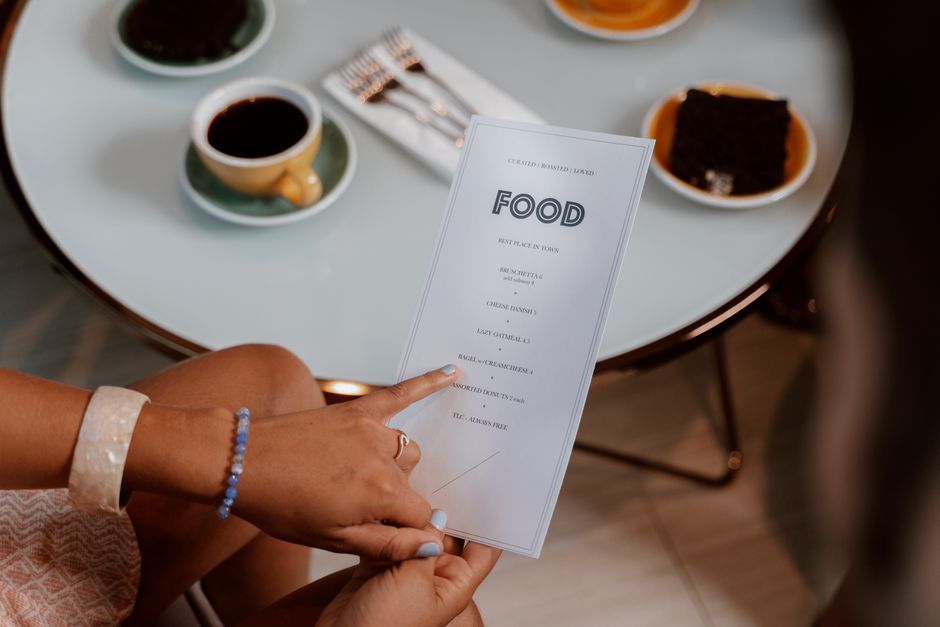
One of the simplest yet most effective strategies is to look at the menu online before you even step foot in the restaurant. Whether you’re heading to a tapas bar in Barcelona, a steakhouse in São Paulo, or a bustling diner in Toronto, most establishments have their menus readily available. This allows you to scan options without the pressure of a server waiting. You can identify dishes that align with your preferences and nutritional goals, spot potential pitfalls, and even decide on modifications in advance. It takes the guesswork out of the equation and reduces impulsive decisions.
Understanding the Dish Deconstruction
When you read a menu, don’t just look at the name of the dish. Pay attention to the descriptions. What are the main ingredients? How is it cooked? Words like ‘grilled,’ ‘baked,’ ‘steamed,’ or ‘roasted’ generally indicate less added fat than ‘fried,’ ‘crispy,’ or ‘creamy.’ For example, a ‘Pan-Seared Salmon with Asparagus’ at a restaurant in London is likely a more balanced choice than ‘Crispy Fried Chicken with Truffle Mac & Cheese.’ This isn’t about demonizing fried food, but about being aware of what you’re choosing and making an informed decision that suits your overall pattern of eating.
Strategic Ordering: Making Smart Choices on the Fly
Asking for Modifications and Substitutions
Don’t be afraid to speak up! Most restaurants, especially in North America and Western Europe, are accustomed to requests for modifications. Instead of fried potatoes, could you get a side of steamed vegetables or a simple salad? Can the dressing be served on the side? Are there whole grain options for bread or pasta? For instance, at a casual Italian place, you might ask for a chicken piccata with extra steamed broccoli instead of pasta, or opt for a whole wheat pasta if available. Remember, you’re a paying customer, and a reasonable request is usually accommodated.
Portion Control Without Obsession
Restaurant portions, particularly in places like the United States, can be notoriously large. This isn’t a problem to be solved with guilt, but with strategy. Consider splitting an entrée with a dining companion, especially if you’re ordering appetizers. Alternatively, ask for a to-go box when your meal arrives and immediately portion off half to take home. This helps you manage intake without feeling like you’re ‘dieting.’ It’s about being mindful, not restrictive. For example, a large plate of nachos at a casual spot in Mexico City could easily be shared among several people instead of being a single serving.
Air Quality and Allergies: What City Residents Should Track
Building a Balanced Plate: Components of a Satisfying Meal
Protein Powerhouses
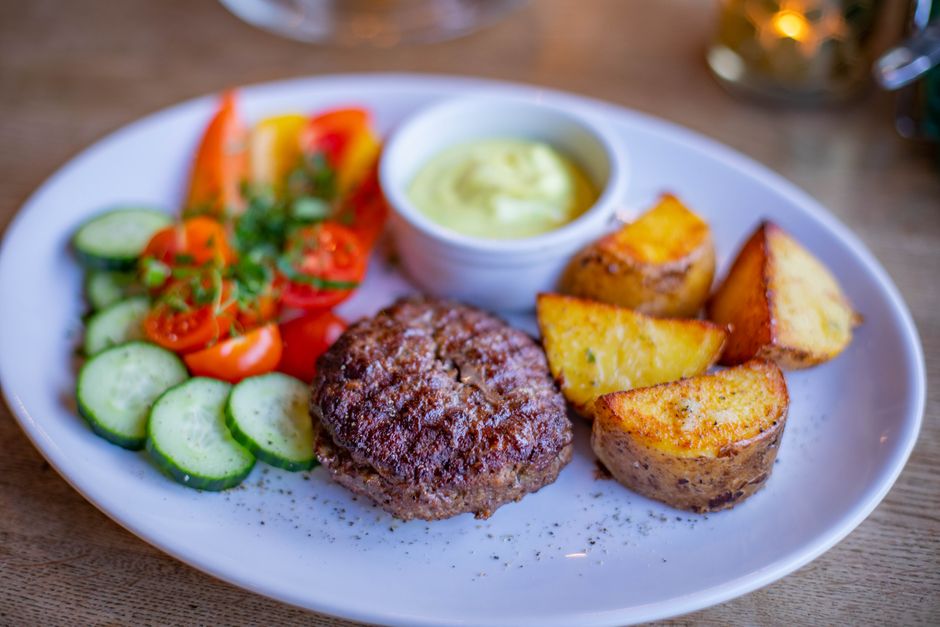
Including a good source of protein helps keep you full and satisfied. Look for options like grilled chicken, fish (salmon, cod, snapper), lean steak, tofu, tempeh, or legumes. Protein helps stabilize blood sugar and prevents that post-meal energy crash. At a typical Brazilian churrascaria, while the meat flow is endless, try to balance it with the salad bar offerings. In Europe, many brasseries offer excellent grilled fish or chicken options with vegetables.
Fiber-Rich Friends: Vegetables and Whole Grains
Vegetables are your best friend when eating out. They provide essential vitamins, minerals, and fiber, which aids digestion and promotes fullness. Aim to fill at least half your plate with non-starchy vegetables. If whole grains like brown rice, quinoa, or whole wheat pasta are available, they offer more fiber than their refined counterparts. The NHS (National Health Service) in the UK frequently highlights the importance of dietary fiber for gut health. Even a simple side salad, if you control the dressing, can make a big difference.
Healthy Fats for Flavor and Satiety
Don’t shy away from healthy fats. They contribute to flavor and satiety. Think avocados, nuts, seeds, and olive oil. However, it’s about mindful inclusion, not excess. A drizzle of olive oil on a salad is great; a dish swimming in butter or cream might be something to enjoy in moderation or opt for less frequently. For example, a salad at a Mediterranean restaurant might feature olives and feta – fantastic additions, but be aware of the overall quantity.
Beyond the Plate: Mindset and Mental Well-being
Rejecting Diet Culture’s Grip
The most crucial aspect of planning healthier restaurant meals without diet culture is to fundamentally shift your mindset. This isn’t about earning your food or feeling guilty for enjoying a dessert. It’s about making choices that feel good to you, physically and mentally. Diet culture often promotes shame and restriction, which can negatively impact mental health. Eating out should be a joyful experience, not a source of anxiety. If you truly crave that creamy pasta dish at an Italian restaurant, enjoy it. Balance comes from your overall eating patterns, not from one single meal.
Mindful Eating in Action
Practice mindful eating. Slow down, savor each bite, and pay attention to the flavors, textures, and aromas. Put your fork down between bites. Engage in conversation. This allows your body to register fullness cues more effectively, preventing overeating and enhancing your enjoyment of the meal. This is particularly useful in social settings, as it encourages you to be present with your company rather than solely focused on the food.
FAQ: Navigating Common Dining Dilemmas
Here are some frequently asked questions about how to plan healthier restaurant meals without diet culture’s influence:
Can I still enjoy dessert when trying to eat healthier at restaurants?
Absolutely! Dessert can be part of a balanced meal. The key is mindful enjoyment. Consider sharing a dessert, choosing a lighter option like fruit, or simply savoring a small portion of what you truly crave. Deprivation often leads to overeating later, so allow yourself to enjoy treats without guilt.
Handle Jet Lag Without Overcomplicating It: A Realistic Checklist for Parents
What are good choices for drinks when dining out?
Water is always the best choice for hydration. If you prefer something else, consider sparkling water with lemon, unsweetened iced tea, or a small glass of wine or beer. Be mindful of sugary sodas, juices, and elaborate cocktails, which can add significant calories without much nutritional value.
How can I manage buffet-style dining or all-you-can-eat restaurants?
Buffets can be challenging. Start with a small plate, focusing on vegetables and lean proteins first. Then, add smaller portions of other dishes you want to try. Take a moment to assess your hunger levels before going back for seconds. Remember, you don’t have to try everything, or eat until you’re uncomfortably full.
Is it okay to eat at fast-food restaurants if I’m trying to eat healthier?
Yes, even fast food can be part of a balanced diet occasionally. Many chains now offer healthier options like salads (dressing on the side), grilled chicken sandwiches (hold the mayo), or smaller portions. Look for nutritional information online to make informed choices that fit your needs at places like McDonald’s or Subway.
How do I deal with social pressure to overeat or try unhealthy dishes?
It can be tough, especially with friends or colleagues. Politely decline extra portions, or explain that you’re satisfied. You don’t need to justify your choices. A simple, ‘It looks delicious, but I’m quite full,’ or ‘I’m really enjoying what I have,’ usually suffices. Focus on the company and conversation, not just the food.
Key Takeaways: Eat Out Happily and Healthily
Ultimately, planning healthier restaurant meals without subscribing to restrictive diet culture is about empowering yourself with knowledge and making conscious, flexible choices. It’s about understanding that balance and enjoyment are paramount, and that one meal doesn’t define your entire health journey. By scouting menus ahead, making smart modifications, and focusing on a balanced plate, you can dine out with confidence.
Remember to listen to your body’s hunger and fullness cues, and to truly savor the experience. Whether you’re enjoying a delightful meal in Paris, a vibrant dinner in Rio de Janeiro, or a casual lunch in New York, the goal is to leave feeling nourished, satisfied, and happy, both physically and mentally. Eating out should enhance your life, not add stress.
Embrace flexibility and self-compassion. There will be times you choose a decadent meal, and that’s perfectly fine. It’s the overall pattern of your eating and your relationship with food that truly matters. Enjoy the food, enjoy the company, and enjoy the experience!
Ready for more practical advice to boost your well-being? Read more health and wellness guides on Le Daily Post.