

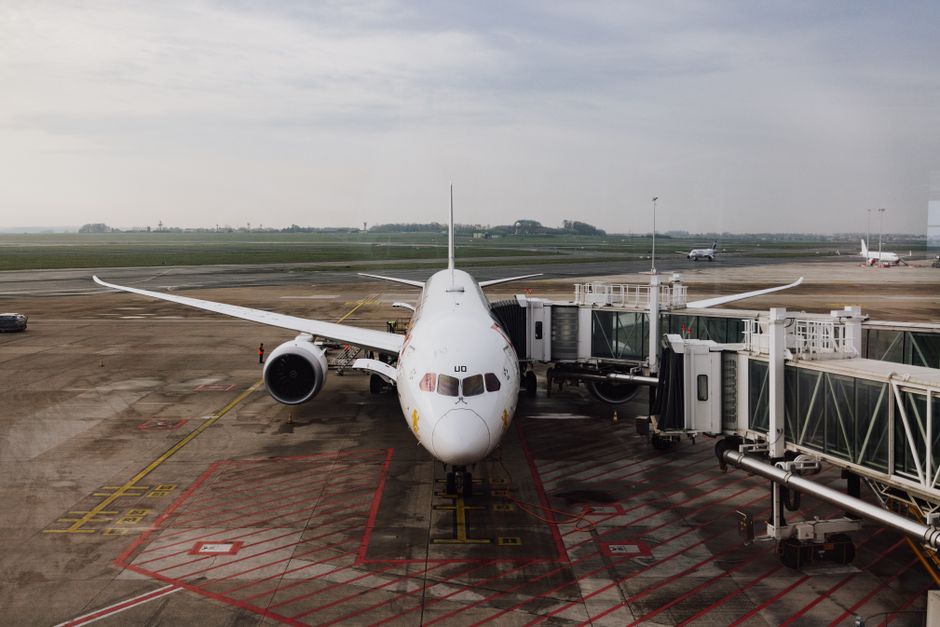
To stay active during long airport layovers without the usual guesswork, focus on strategic movement. Plan walks within terminals, utilize designated walking paths or yoga rooms where available, and incorporate simple stretches at your gate. Prioritize hydration and mindful eating to complement physical activity. Many airports globally, from Frankfurt to Hartsfield-Jackson Atlanta and São Paulo-Guarulhos, are increasingly offering amenities that support traveler wellness, making it easier to integrate activity into your transit time and avoid feeling completely drained or stiff.
Long airport layovers, for many remote workers especially, often feel like an unavoidable drain on physical and mental energy. You’re stuck, often for hours, in a cycle of sitting, waiting, and maybe scrolling, only to arrive at your next destination feeling stiff, sluggish, and generally out of sorts. It’s a common experience, whether you’re transiting through a bustling hub in Europe like Amsterdam Schiphol, a sprawling North American nexus such as Dallas/Fort Worth, or a vibrant South American gateway like El Dorado in Bogotá.
The problem isn’t just the sitting; it’s the disruption to your routine, the lack of natural movement, and the subtle stress that accumulates. This isn’t about running a marathon between flights, but about making intentional choices that support your well-being. So, how do you proactively combat this sedentary trap and truly stay active during long airport layovers without the usual guesswork?
The solution involves a blend of pre-planning and on-the-spot resourcefulness. Rather than passively waiting, you can leverage airport layouts, available amenities, and simple bodyweight exercises to keep your blood flowing, muscles stretched, and mind engaged. It’s about transforming what feels like downtime into active, beneficial health time.
A Quick Overview: Staying Active During Layovers
- Scout Your Airport: Check terminal maps online for walking distances, amenities like gyms, yoga rooms, or even outdoor areas.
- Prioritize Walking: Make purposeful laps around your terminal or to other terminals if feasible and time allows.
- Gate-Side Stretches: Incorporate simple stretches for your neck, shoulders, hips, and legs while waiting.
- Hydration is Key: Drink plenty of water to combat dehydration from cabin air and physical activity.
- Pack Smart: Wear comfortable shoes and clothing that allows for movement.
- Consider Lounges: Some premium lounges offer showers, quiet zones, or even basic fitness equipment.
- Mindful Movement: Even short bursts of activity are better than none. Don’t aim for perfection.
Navigating Airport Layouts for Optimal Movement
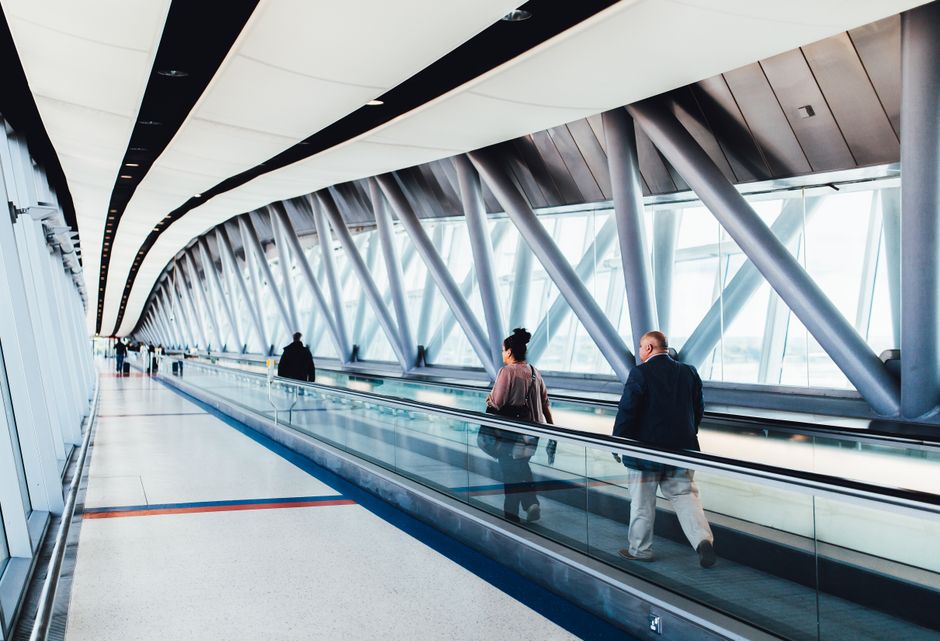
One of the biggest obstacles to staying active is the perception that airports are just giant waiting rooms. In reality, many modern airports, particularly major international hubs, are designed with traveler flow and even wellness in mind. The key is to see them as large, indoor walking tracks.
Pre-Flight Research: Your Best Tool
Before you even leave for the airport, spend a few minutes looking at the airport’s website or using a mapping app. Search for ‘airport maps’ for your specific transit hub. Are there multiple terminals connected by sky bridges or people movers that you can walk between? Is there a designated ‘walking path’ or ‘fitness trail’ in the airport? For example, Singapore Changi Airport is famous for its gardens and expansive walking areas. Even less amenity-rich airports in North America, like Charlotte Douglas International, often have long, straight concourses perfect for power walking. In Europe, hubs like Munich Airport are efficiently laid out, allowing for extensive walking within and between its two main terminals.
Strategic Terminal Exploration
Once you land, resist the urge to immediately plop down. If you have a few hours, consider walking to a different gate or even another concourse if accessible without re-clearing security and if time permits. This isn’t about seeing the sights; it’s about covering distance. For example, if you’re connecting through Hartsfield-Jackson Atlanta, known for its long, connected concourses, you could easily walk the length of two or three concourses and back. This can add up to several kilometers without leaving the secure area. Similarly, at airports in South America like Lima’s Jorge Chávez International, the main terminal is often bustling, providing ample opportunities for purposeful walking loops to observe local culture and stretch your legs.
Simple Stretches and Exercises You Can Do Anywhere
You don’t need a gym or fancy equipment to get your blood flowing. Many effective stretches and exercises can be done discreetly at your gate, in a quiet corner, or even in the restroom. The goal here is circulation and flexibility, counteracting the effects of prolonged sitting.
Gate-Side Mobility Drills
While waiting for your boarding call, you can do a series of simple stretches. Start with neck rolls and shoulder shrugs. Then move to standing calf raises, leg swings (forward and side-to-side, holding onto a chair or wall for balance), and gentle hip circles. A common mistake is thinking you need to be alone or have a lot of space. Most of these can be done in your personal space without drawing undue attention. For remote workers, this is especially crucial for preventing the aches associated with laptop hunching.
How to Stay Healthy While Traveling Across Different Climates
Utilizing Airport Amenities (When Available)
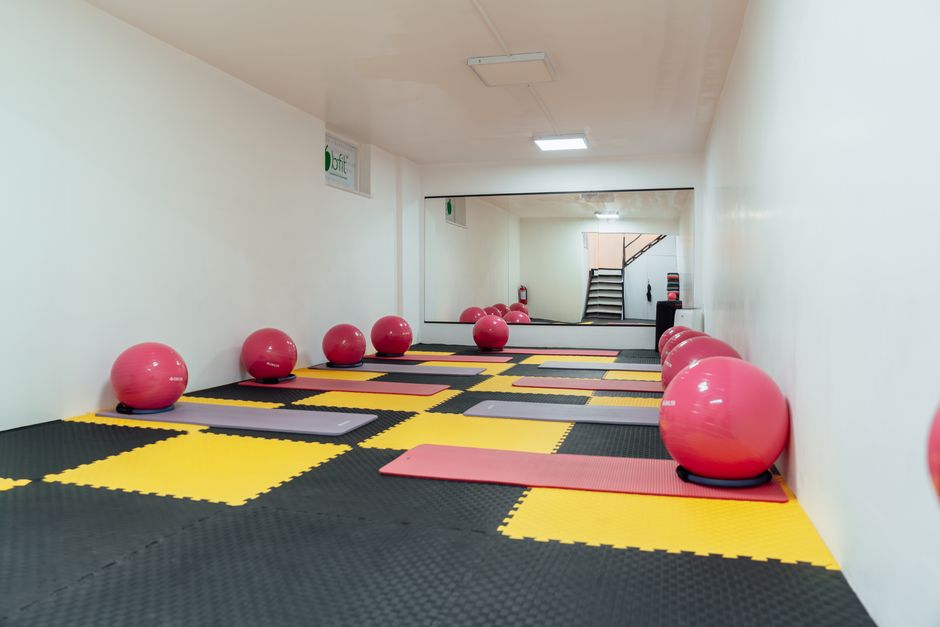
Some airports are truly embracing wellness. For instance, San Francisco International (SFO) and Chicago O’Hare (ORD) both have yoga rooms, offering a quiet space to stretch and meditate. Helsinki Airport in Europe has ‘relaxation zones’ that encourage gentle movement. Even if there isn’t a dedicated yoga room, a quiet corner near an unused gate or even a spacious family restroom can offer enough privacy for a quick stretch session. Always check the airport’s website for specific amenities under ‘traveler services’ or ‘wellness’.
Prioritizing Sleep Hygiene and Mental Health During Layovers
Staying active isn’t just about physical movement; it’s deeply intertwined with mental well-being and sleep hygiene, especially for those navigating different time zones. A long layover, while an opportunity for movement, can also be a source of stress and disruption to your internal clock.
Managing Circadian Rhythms
The World Health Organization (WHO) emphasizes the importance of consistent sleep patterns for overall health. During long layovers, particularly those crossing multiple time zones, try to expose yourself to natural light when it’s daytime at your destination, and avoid bright screens (especially blue light) in the hours leading up to when you plan to sleep on your next flight or at your destination. Walking around can also help reset your internal clock by exposing you to light and physical exertion, signaling to your body that it’s ‘daytime’.
Mindfulness and Stress Reduction
Airports can be overwhelming. Beyond physical activity, carve out moments for mental calm. Find a quiet corner, put on some noise-canceling headphones, and practice deep breathing exercises or a short meditation. Even 5-10 minutes can significantly reduce stress and improve your mental clarity, preparing you for the next leg of your journey. Many airports now feature designated quiet zones or even prayer rooms that can double as calm havens.
Hydration and Nutrition: Fueling Your Active Layover
Physical activity, no matter how light, increases your body’s need for proper fuel and hydration. Airport environments, with their dry cabin air and often limited healthy food options, present unique challenges.
The Importance of Water
It sounds simple, but dehydration is a major contributor to fatigue and sluggishness while traveling. Carry a reusable water bottle and refill it frequently at water fountains or bottle-filling stations. Most international airports, from Toronto Pearson in North America to Guarulhos in São Paulo, Brazil, have these readily available post-security. Avoid excessive caffeine and sugary drinks, which can dehydrate you further or lead to energy crashes.
Smart Snacking Choices
While tempting, relying solely on fast food or sugary treats during a layover will undermine your efforts to feel good. Pack some healthy snacks from home like nuts, fruit, or protein bars. If you need to buy food, seek out options like salads, yogurts, or lean protein bowls. Many airports are improving their food offerings. For example, some terminals at London Heathrow offer a surprisingly good selection of fresh food. Prioritize nutrient-dense foods that will sustain your energy for movement.
Packing Smart for Active Travel
Your packing choices significantly impact your ability to stay active during long airport layovers without the usual guesswork.
Comfortable Footwear is Non-Negotiable
This is perhaps the most critical piece of advice. Forget about fashion statements for your transit day; prioritize comfort and support. Sneakers or comfortable walking shoes are essential if you plan to cover any significant distance. Blisters or aching feet will quickly deter any motivation to move.
Layered, Movement-Friendly Clothing
Wear loose, breathable clothing that allows for a full range of motion. Layers are also key, as airport temperatures can vary wildly from gate to gate. A comfortable pair of joggers or travel pants and a soft, breathable top are far more conducive to stretching and walking than tight jeans or restrictive business attire. Think about what you’d wear for a brisk walk, not a formal meeting.
FAQ – Staying Active at the Airport
What are the best airports for staying active?
Airports like Singapore Changi, Amsterdam Schiphol, and Dubai International are known for extensive walking paths, gardens, and sometimes even gyms. In North America, major hubs like Hartsfield-Jackson Atlanta and Denver International offer long concourses perfect for walking. For South America, while fewer dedicated fitness amenities, the sheer size of airports like São Paulo-Guarulhos (GRU) allows for significant walking opportunities.
How can I find out if my transit airport has a gym or yoga room?
The best way is to check the official airport website under ‘Amenities,’ ‘Services,’ or ‘Wellness.’ You can also use airport maps provided by the airport or on popular travel apps to locate specific facilities. Searching online for ‘[Airport Name] gym’ or ‘[Airport Name] yoga room’ often yields quick results.
Is it safe to walk long distances in international airports?
Generally, yes. International airports are designed for high traffic and usually have clear signage. Stick to secure, public areas and always be mindful of your belongings. Ensure you have ample time before your next flight and understand your gate location to avoid unnecessary stress or missing your connection.
What should I wear to be comfortable and active during a layover?
Opt for comfortable, layered clothing made from breathable fabrics. Athletic shoes or supportive walking shoes are essential. Avoid tight clothing or footwear that will restrict movement or cause discomfort over time. Think practicality over strict fashion during your travel day.
How can I stay active if my layover is very short?
Even with short layovers, you can still be active. Focus on standing instead of sitting whenever possible. Do quick, discreet stretches at your gate for your neck, shoulders, and legs. Take the stairs instead of escalators if you’re not rushing. Every little bit of movement helps combat stiffness and improves circulation.
Key Takeaways for Active Airport Layovers
Transforming your airport layover from a sedentary ordeal into an opportunity for movement and wellness requires a shift in mindset and a dash of proactive planning. The biggest takeaway is that intentional movement is always possible, regardless of the airport or the length of your layover.
Whether you’re power-walking through the concourses of an airport in Europe, stretching quietly at your gate in North America, or simply making smarter hydration and nutrition choices while transiting through South America, every effort contributes to feeling better. Remember, comfort in footwear and clothing is paramount, enabling you to take advantage of every chance to move.
Ultimately, staying active during long airport layovers without the usual guesswork is about empowering yourself. It’s about recognizing that your well-being doesn’t have to be put on hold just because you’re in transit. Instead, it’s an excellent opportunity to prioritize your physical and mental health, ensuring you arrive at your destination feeling refreshed and ready to go.
To read more health and wellness guides like this, visit Le Daily Post.