


Deciding on the best airport transfer method – train, taxi, shuttle, or rideshare – hinges on balancing cost, convenience, speed, and luggage considerations. For solo travelers on a budget, trains are often ideal, especially in cities like Rome or Barcelona with well-connected rail networks. Taxis and rideshares offer door-to-door service, crucial for late-night arrivals or heavy luggage, but at a higher price. Shuttles strike a middle ground, providing shared cost-effectiveness with pre-booked reliability. Your choice should always align with your destination’s infrastructure, your travel party size, and your personal priorities for a smooth transition from airport to accommodation.
Landing in a new city, or even a familiar one, often presents that immediate challenge: how do you get from the airport to your final destination? It’s not just about getting there; it’s about doing so efficiently, affordably, and with minimal fuss. For frequent travelers, this decision can significantly impact the start (or end) of a journey. Whether you’re a seasoned globetrotter or planning your next big adventure, mastering the art of the airport transfer is a skill worth honing.
This airport transfer guide aims to demystify the options available today – from the humble train to the ubiquitous rideshare – helping you make an informed choice for every scenario. We’ll explore when each mode of transport shines, and when it might be more trouble than it’s worth, with practical examples from Europe, North America, and South America.
Understanding Your Airport Transfer Options: A Strategic Breakdown
Before you even book your flight, it pays to consider how you’ll handle your airport transfer. The ‘best’ option is rarely one-size-fits-all. It’s a dynamic calculation involving your budget, the time of day, the amount of luggage you’re carrying, the size of your group, and crucially, the local infrastructure of your arrival city.
Public Transport: The Train and Bus Advantage
Public transport, primarily trains and sometimes dedicated express buses, often presents the most economical and, in many cases, the quickest way to cover the distance between an airport and a city center. Many major global cities have invested heavily in connecting their airports directly to their urban core via rail.
When to Choose a Train or Bus:
- Cost-Conscious Travelers: Usually the cheapest per-person option.
- Solo or Light Travelers: Easy to navigate with minimal luggage.
- Traffic Aversion: Trains bypass road traffic entirely, offering predictable journey times. Buses, while subject to traffic, can be direct.
- Environmental Impact: Generally more eco-friendly than individual car journeys.
Real-World Examples:
- In Rome, the Leonardo Express train whisks you from Fiumicino Airport (FCO) to Termini Station in just 32 minutes, without stops, for a set fare. It’s incredibly efficient for reaching the city center.
- Barcelona‘s El Prat Airport (BCN) is well-served by the Renfe R2 Nord train line, taking you to Passeig de Gràcia or Estació Sants in about 25-30 minutes. The Aerobús also offers a direct route to Plaça de Catalunya.
- For New York, the Airtrain JFK connects to the NYC subway system (A, E, J, Z lines) or the LIRR (Long Island Rail Road), providing multiple routes into Manhattan and other boroughs. While it requires a transfer, it’s often the fastest way to beat notorious NYC traffic.
Caveats:
While great, public transport isn’t always door-to-door. You might need to transfer to a local metro, bus, or even walk to your accommodation, which can be challenging with heavy bags or in bad weather. Always check the operational hours; services often stop or reduce frequency late at night.
Escape to Comfort and Adventure with Bookabach Holiday Rentals
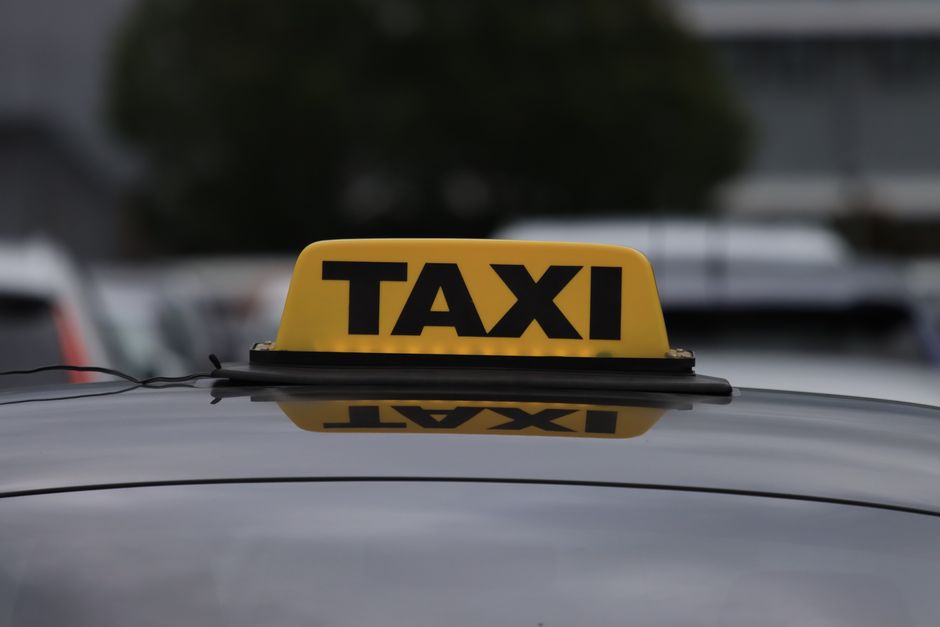
Taxis and Traditional Cabs: The Convenience Premium
The classic taxi ride offers unparalleled convenience: door-to-door service, often with drivers who know the city well. You simply hop in, tell them where you’re going, and they handle the rest.
When to Opt for a Taxi:
- Heavy Luggage: No need to haul bags through stations or make transfers.
- Group Travel: If you’re traveling with 3-4 people, the per-person cost can become comparable to public transport, often making it more economical than buying multiple train tickets.
- Late-Night/Early-Morning Arrivals: When public transport options are limited or nonexistent.
- Fixed Fares: Many airports, particularly in Europe, offer fixed-price taxi fares to the city center, removing the worry of a running meter. Rome and Barcelona both have fixed airport taxi fares to central areas, a major plus.
- Local Expertise: Drivers can often recommend local spots or provide insights.
Real-World Examples:
- In Rome, official white taxis offer a fixed fare from Fiumicino (FCO) and Ciampino (CIA) to destinations within the Aurelian Walls. Always use official taxis at designated stands to avoid scams.
- In New York City, iconic yellow cabs are plentiful outside all major airports. While there’s a flat rate from JFK to Manhattan (plus tolls and surcharges), from Newark (EWR) or LaGuardia (LGA), it’s typically metered.
- In many South American cities, like Buenos Aires, reputable airport taxi services (e.g., Ezeiza’s ‘Manuel Tienda León’) provide secure and reliable pre-booked transfers, crucial for safety and peace of mind.
Caveats:
Taxis are generally the most expensive option for solo travelers. They are also subject to traffic delays, which can be significant in congested cities. Always confirm if the driver accepts credit cards before setting off, especially in some international destinations where cash is preferred.
Rideshare Services (Uber, Lyft, etc.): The Modern Alternative
Rideshare apps have revolutionized personal transport, offering a blend of taxi convenience with often more competitive pricing, especially off-peak. They’re particularly popular among tech-savvy travelers.
When to Choose Rideshare:
- Transparent Pricing: You see the fare estimate upfront, which helps with budgeting (though surge pricing can occur).
- Cashless Payments: Transactions are handled via the app, eliminating currency exchange worries.
- Convenience: Door-to-door service, just like a taxi, with the added benefit of tracking your driver.
- Multiple Options: From economy to SUV, you can choose a vehicle size that fits your needs.
Real-World Examples:
- In North America, Uber and Lyft are ubiquitous. At JFK, for instance, you’ll be directed to a specific pick-up zone, often on the arrivals level, to meet your driver. The process is generally smooth.
- While less prevalent inside airports in some parts of Europe due to local taxi regulations, rideshares are very much alive. In Barcelona, Uber operates, though sometimes you might need to walk a short distance from the terminal for pick-up due to designated zones. Rome also has Uber, but it tends to be more expensive than local taxis, particularly for longer distances or during high demand.
- In South America, Uber and similar apps like Cabify or 99 (Brazil) are very popular, often offering a safer and more affordable alternative to street taxis in certain cities. At Santiago de Chile Airport, for example, pre-booking through an app is a common and reliable practice.

Caveats:
Surge pricing during peak hours or bad weather can significantly inflate costs. Pick-up locations at airports can sometimes be confusing or require a short walk. Furthermore, some cities or countries have restrictions on rideshare services, so always check local regulations before relying solely on an app.
Airport Shuttles: Shared Rides for Balance
Airport shuttles, whether shared-ride vans or larger coaches, offer a practical middle ground. They’re more affordable than private taxis or rideshares for solo travelers, and typically more convenient than public transport as they offer a direct route, often to multiple hotels.
When to Use an Airport Shuttle:
- Budget-Conscious but Not Public Transport Adept: A good balance of cost and convenience.
- Solo Travelers: Much cheaper than a private taxi or rideshare.
- Hotel Transfers: Many hotels offer dedicated shuttle services, or you can book third-party services that drop off at multiple hotels.
- Fixed Schedule: If you prefer a pre-booked, guaranteed ride without the hassle of navigating local transport.
Real-World Examples:
- From New York’s Newark Liberty (EWR) or LaGuardia (LGA), services like Go Airlink or SuperShuttle (where available) offer shared-ride vans to various Manhattan locations.
- Many European airports, especially for budget airlines, utilize express coach services (e.g., Terravision from Rome Fiumicino or Ciampino to Termini Station) that are essentially large, comfortable shuttles. These are often cheaper than the train but might take longer due to traffic.
- In South America, particularly at larger airports like São Paulo-Guarulhos (GRU) in Brazil, executive bus services operate frequently to major city hubs or bus terminals, offering a comfortable, direct alternative to local public transport.
Caveats:
Shared shuttles mean multiple stops, potentially increasing your journey time. If you’re on a tight schedule, this could be an issue. Always confirm the drop-off policy – some only go to specific hotels, while others might drop you at a central point. Pre-booking is almost always required or highly recommended.
Bookabach Helps You Find the Perfect Holiday Stay
Hybrid and Niche Options
Beyond the main categories, some airports offer unique or specialized transfer methods worth noting:
- Hotel Shuttles: Many airport hotels provide complimentary shuttles. Even if your final destination isn’t that hotel, sometimes staying near the airport for an early flight or late arrival and utilizing their shuttle can be a smart, cost-effective move.
- Car Rentals: For those planning extensive travel outside the city center, renting a car directly from the airport can be the most practical choice, offering ultimate freedom.
- Pre-Booked Private Transfers: For a truly premium, stress-free experience, consider booking a private car service. This is often more expensive than a taxi but guarantees a professional driver, a comfortable vehicle, and often meet-and-greet service inside the terminal. Ideal for executive travel or special occasions.
FAQ: Answering Your Airport Transfer Questions
What is the most cost-effective airport transfer from Rome Fiumicino Airport?
For a solo traveler in Rome, the most cost-effective transfer from Fiumicino (FCO) to the city center is typically the regional train (FL1 line) to stations like Trastevere or Ostiense, or one of the express bus services (e.g., Terravision) to Termini Station. These are significantly cheaper than the Leonardo Express or a taxi, though they may take longer or require an extra connection.
How do I choose between a taxi and rideshare in Barcelona for an airport transfer?
In Barcelona, choose a taxi for immediate, easily identifiable service right outside the terminal with fixed city-center rates, especially if you prefer cash or have minimal app usage. Opt for rideshare like Uber or Cabify for upfront pricing transparency and cashless payment, but be prepared for potentially designated pick-up zones that might be a short walk from the terminal.
Is the New York City subway a good option for airport transfers?
Yes, the NYC subway system, in conjunction with the AirTrain JFK or AirTrain Newark, is often an excellent and cost-effective option for airport transfers, especially to avoid notorious New York traffic. It requires navigating transfers and can be challenging with heavy luggage, but offers predictable travel times and reaches many parts of the city.
When should I absolutely avoid public transport for an airport transfer?
You should absolutely avoid public transport for an airport transfer if you have an excessive amount of luggage, are traveling with small children or individuals with mobility issues, arrive very late at night or early in the morning when services are limited, or are heading to a remote location not well-served by public routes.
What’s the safest way to get an airport transfer in a new South American city?
The safest way to get an airport transfer in a new South American city is generally to pre-book a reputable airport shuttle, use official airport taxi stands, or utilize well-known rideshare apps like Uber or Cabify. Avoid accepting rides from unlicensed solicitors inside the terminal, and always confirm your driver and vehicle details with pre-booked services.
Final Thoughts on Your Airport Transfer Guide
The key to a smooth airport transfer lies in planning and understanding your priorities. Do you value speed above all else? Is budget your primary concern? Are you burdened with luggage? By answering these questions and considering the local context, you can make an informed decision every time. From the efficient trains of Europe to the convenient rideshares of North America and the solid shuttle services in South America, there’s a solution for every traveler.
Ready to master your travel logistics? Plan smarter trips with Le Daily Post.