


To sleep better when working across time zones, the most effective strategy involves gradually shifting your sleep schedule before travel or a new work pattern, minimizing blue light exposure at night, and strategically timing caffeine intake. Prioritize consistency in your sleep environment, even when traveling, and use tools like blackout curtains and earplugs. Actively adjust meal times to align with your destination’s local clock to further synchronize your internal body clock, helping you mitigate jet lag and maintain good sleep hygiene.
For many of us, the traditional 9-to-5 workday has become a relic of the past. Whether you’re a digital nomad, part of a global remote team, or a frequent business traveler, the reality of working across different time zones is increasingly common. One week you might be joining early morning calls from Lisbon with colleagues in Toronto, the next you’re awake late in Buenos Aires to sync up with a team in Copenhagen. This lifestyle, while offering incredible flexibility and opportunity, often comes with a significant challenge: disrupted sleep.
Your body has an internal clock, known as your circadian rhythm, that thrives on routine. When you constantly jump between time zones or adjust your work hours to accommodate colleagues thousands of kilometers away, that rhythm gets thrown off. The result? Persistent fatigue, difficulty concentrating, irritability, and a general feeling of being out of sync. It’s not just about feeling tired; it’s about the long-term impact on your overall well-being and productivity. Effectively managing your sleep hygiene becomes not just a recommendation, but a necessity.
This guide isn’t about magical cures or quick fixes. Instead, it offers practical, actionable strategies to improve your sleep hygiene when navigating the complexities of time zone work. We’ll explore how to prepare your body, optimize your environment, and make smart lifestyle choices that support better rest, whether you’re in Europe, North America, or South America. The goal is to help you adapt your internal clock more effectively, minimizing the jarring effects of jet lag and ensuring you get the restorative sleep you need to thrive.
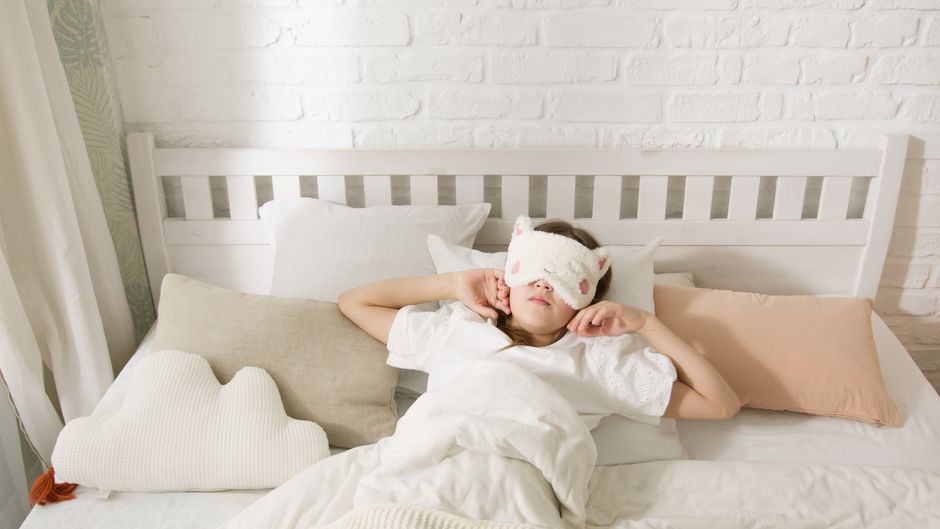
Quick Strategies for Better Sleep Across Time Zones
Before we dive deep, here’s a concise overview of key principles to maintain excellent sleep hygiene even when your schedule is in flux:
- Pre-adjust Gradually: Shift your sleep and wake times by 30-60 minutes each day towards your new time zone before travel.
- Prioritize Light Exposure: Seek bright light during the day in your new time zone and minimize blue light exposure at night.
- Strategic Caffeine and Alcohol: Understand how these impact your sleep and use them wisely.
- Consistent Sleep Environment: Replicate your ideal sleep setting as much as possible, wherever you are.
- Meal Timing Matters: Eating at local mealtimes helps reset your internal clock faster.
- Stay Hydrated: Dehydration can exacerbate jet lag symptoms.
- Mindful Napping: Short, strategic naps can help, but avoid long ones that disrupt nighttime sleep.
- Exercise Regularly: Physical activity supports healthy sleep, but avoid intense workouts close to bedtime.
The Power of Light: Resynchronizing Your Circadian Rhythm
Your circadian rhythm, that 24-hour cycle governing your sleep-wake pattern, is profoundly influenced by light. When you cross time zones, or shift your work hours dramatically, your internal clock struggles to catch up to the local time. This disconnect is the core of what we call jet lag.
Harnessing Daylight Exposure
Upon arrival in a new time zone, or when starting a new work schedule that deviates from your usual, expose yourself to natural light as early as possible in the morning. This signals to your brain that it’s daytime and helps reset your internal clock. If you land in London from Santiago at 7 AM, even if you feel exhausted, resist the urge to immediately hide in a dark hotel room. Get outside for a walk, grab a coffee on a sunny terrace, or simply open the curtains wide. Similarly, for remote workers in Vancouver regularly joining late-night calls with colleagues in Frankfurt, make sure you’re getting ample daylight during your ‘day’ to help anchor your rhythm.
Minimizing Blue Light Exposure
Conversely, as evening approaches in your new time zone, or a few hours before your intended bedtime, start reducing your exposure to artificial light, especially blue light emitted from screens (phones, tablets, computers, TVs). Blue light suppresses melatonin production, the hormone that tells your body it’s time to sleep. Many devices now have ‘night mode’ or ‘warm light’ settings that reduce blue light, but ideally, you should aim to put screens away an hour or two before bed. Consider blue light blocking glasses, particularly if your remote work demands late-night screen time. Brands like Warby Parker offer stylish options, and even major online retailers have budget-friendly choices. For instance, if you’re a developer in Mexico City collaborating with a team in New York and your coding extends late into the evening, this becomes crucial for preserving your sleep hygiene.
Strategic Napping, Caffeine, and Hydration
When you’re constantly fighting fatigue, the temptation to reach for another espresso or take a long nap can be strong. However, how you manage these can either help or hinder your sleep hygiene.
The Art of the Power Nap
Napping can be a lifesaver for managing fatigue when working across time zones, but it needs to be strategic. A short power nap of 20-30 minutes can refresh you without sending you into deep sleep, which makes waking up groggy and can disrupt nighttime sleep. Avoid long naps, especially late in the afternoon or evening, as these will likely make it harder to fall asleep at your designated bedtime. If you’ve just flown from Paris to Rio de Janeiro and feel a midday slump, a quick nap can bridge the gap, but set an alarm and stick to the short duration.
How to Stay Healthy While Traveling Across Different Climates
Caffeine: Friend or Foe?
Caffeine can be a valuable tool for staying alert when you need to be productive, but its timing is everything. Caffeine has a half-life of about 5-6 hours, meaning it takes that long for half of the caffeine to leave your system. For some, it can linger much longer. This means that a coffee at 3 PM could still be affecting your sleep at 9 PM. As a general rule, try to cut off caffeine intake 6-8 hours before your planned bedtime. This includes not just coffee, but also energy drinks, some teas, and even certain sodas. If you’re a remote worker in Bogotá adjusting to calls with European clients, an early morning coffee is fine, but resist the urge for an afternoon pick-me-up if it’s close to your desired sleep time.
Hydration and Its Impact
Dehydration can significantly worsen the symptoms of jet lag, including fatigue, headaches, and general malaise. This is especially true when flying, as cabin air is very dry. Drink plenty of water before, during, and after travel. Aim for consistent hydration throughout your day, wherever you are. While water is best, herbal teas can also contribute to your fluid intake. Limit sugary drinks and excessive alcohol, both of which can disrupt sleep patterns and contribute to dehydration.

Creating Your Sleep Sanctuary Anywhere
A consistent, comfortable sleep environment is fundamental to good sleep hygiene, regardless of your location. This can be challenging when you’re frequently in different hotels or temporary accommodations, but it’s not impossible.
Temperature, Darkness, and Silence
- Temperature: Most people sleep best in a cool room, typically between 18-20°C (65-68°F). Adjust the thermostat in your hotel or apartment accordingly.
- Darkness: Light, even dim light, can interfere with melatonin production. Pack an eye mask if you anticipate light leakage (common in many hotel rooms, especially in cities like New York or Madrid). Blackout curtains are a godsend, so check if your accommodation offers them.
- Silence: Noise can easily disturb sleep. Earplugs can be incredibly effective, especially if you’re in a noisy urban environment or sharing a space. White noise machines or apps can also help mask disruptive sounds.
Consistency is Key
Try to replicate elements of your home sleep routine as much as possible. This might mean packing your favorite pillowcase, a particular scent for aromatherapy, or always reading a physical book before bed. These small rituals signal to your brain that it’s time to wind down, reinforcing your sleep schedule even when your surroundings change.
Optimizing Meal Times and Exercise
Beyond light, what and when you eat, and how you move your body, play significant roles in regulating your internal clock and improving sleep hygiene.
Eating for Better Sleep
Meal timing is a powerful, often overlooked, tool for combating jet lag. Eating at local meal times, particularly breakfast, helps signal to your body when it’s ‘daytime’ in your new location. Try to eat a substantial breakfast soon after waking in your new time zone, and avoid heavy meals close to bedtime. A light, easily digestible dinner is preferable. For instance, if you’ve traveled from Toronto to Milan, having dinner at 7 PM local time, even if it feels early or late for your body, will help it adjust.
The Role of Exercise
Regular physical activity is known to promote better sleep. However, timing is crucial. Exercising too close to bedtime can be stimulating and make it harder to fall asleep. Aim to complete any vigorous workouts at least 3-4 hours before you plan to sleep. Morning or early afternoon exercise is ideal. Even a brisk walk in your new time zone can help expose you to daylight and tire your body appropriately, aiding your sleep hygiene efforts.
Establishing a Consistent Pre-Sleep Routine
No matter how erratic your work schedule or travel plans are, having a consistent wind-down routine is paramount. This ritual signals to your body and mind that it’s time to transition from activity to rest.
Relaxation Techniques
Engage in activities that promote relaxation. This could be reading a physical book, listening to calming music or a podcast, taking a warm bath or shower, or practicing gentle stretches or meditation. Apps like Calm or Headspace offer guided meditations that can be particularly helpful for unwinding after a demanding day of calls across continents. Avoid stressful activities, work-related tasks, or intense discussions in the hour or two before bed.
Digital Detox
We’ve already touched on blue light, but the mental stimulation from constantly checking emails, social media, or news can be just as disruptive. Make a conscious effort to disconnect from digital devices at least an hour before bed. This allows your brain to quiet down and prepare for sleep, essential for maintaining good sleep hygiene, especially when your brain is already working overtime to adjust to new schedules.
FAQ: Common Questions About Sleep Hygiene & Time Zones
How do you sleep better when working across time zones?
Sleeping better across time zones involves a multi-pronged approach: gradually shifting your sleep schedule, maximizing natural light exposure during the day, minimizing blue light at night, and timing caffeine and meals strategically. Maintaining a consistent, dark, quiet, and cool sleep environment, even when traveling, is also crucial. These steps help recalibrate your body’s circadian rhythm.
What is the fastest way to adjust to a new time zone?
The fastest way to adjust often combines immediate light exposure upon arrival, strategically timed meals, and sometimes, melatonin supplements (consult a doctor). Force yourself to stay awake until local bedtime, even if exhausted, and wake up at local sunrise. Avoid napping for too long if possible, and engage in light activity during the day.
Does melatonin help with jet lag?
Melatonin can be helpful for some individuals struggling with jet lag, particularly when traveling eastward across multiple time zones. It’s a hormone that signals sleep, so taking a small dose (e.g., 0.5-3mg) a few hours before your desired bedtime in the new time zone may aid in adjusting your sleep cycle. Always consult a healthcare professional before starting any new supplement.
What are some practical sleep hygiene tips for remote workers with global teams?
Remote workers should prioritize a consistent sleep schedule as much as possible, even with fluctuating meeting times. Use blue light filters, dim room lights in the evening, and create a strong distinction between your work and sleep spaces. Schedule demanding tasks during your peak alertness hours and communicate your availability clearly to global teams to manage expectations and protect your sleep.
How long does it take for your body to adjust to a new time zone?
Generally, it takes about one day per time zone crossed for your body to fully adjust. So, if you cross three time zones (e.g., from São Paulo to Miami), it might take three days to feel completely normalized. However, individual experiences vary, and consistent application of good sleep hygiene practices can often speed up this adjustment process.
Key Takeaways for Optimal Sleep Hygiene Across Time Zones
Navigating the demands of working across multiple time zones doesn’t have to mean sacrificing your sleep or your health. By being proactive and intentional with your habits, you can significantly improve your ability to adapt and maintain restorative rest. Remember that consistency, even in the face of change, is your most powerful tool. Focus on gradually adjusting your body’s clock before major shifts, and then support it with intelligent choices once you’re in a new rhythm.
The core principles boil down to smart management of light, strategic use of stimulants like caffeine, and creating a calming sleep environment. Don’t underestimate the impact of meal timing and physical activity in anchoring your circadian rhythm. These aren’t just minor adjustments; they are fundamental pillars of good sleep hygiene that become even more critical when your schedule is in constant flux.
Ultimately, prioritizing your sleep is an investment in your productivity, your mood, and your long-term health. Treat your body’s internal clock with respect, and it will serve you better, whether you’re closing deals in New York, collaborating in Berlin, or exploring new markets from your home office in São Paulo. Make these practices part of your routine, and you’ll find yourself more resilient and ready to tackle the challenges and opportunities of a global work environment.
Read more health and wellness guides on Le Daily Post.