

AI Overviews are summaries generated by artificial intelligence that appear at the top of search results, aiming to provide direct answers without you needing to click through multiple links. This fundamentally changes how people search for information by shifting from a list of links to a synthesized, conversational response. Instead of just finding websites, users now get immediate, AI-powered summaries, which can save time but also require a new approach to verifying information, as the AI’s summary might sometimes contain inaccuracies or outdated details.
Remember the old days of searching? You’d type a query into Google or Bing, hit enter, and get a long list of blue links. Your job was then to sift through those links, click a few, and piece together the answer yourself. It was a familiar routine, and for many of us, it was the only way we knew how to find information online. We became pretty good at spotting reliable sources, understanding what a good title looked like, and navigating websites efficiently.
But things are rapidly changing. Suddenly, a new kind of answer is appearing right at the top of our search results – a concise, often conversational summary that attempts to answer our question directly, without us ever needing to visit a website. This new feature, prominently known as Google AI Overviews, is a major shift, and it’s powered by generative artificial intelligence.
For everyday readers and even small publishers, this means the internet isn’t quite the same place it used to be. Understanding what an AI Overviews search means for you, how it works, and what to watch out for is no longer just for tech enthusiasts; it’s becoming essential for anyone who uses the internet to learn, research, or even just browse.

Understanding AI Overviews and Generative Search
So, what exactly are these AI Overviews, and how do they fit into the bigger picture of AI changing search?
- Direct Answers: Instead of showing you a list of links and making you do the work, AI Overviews try to give you the answer directly in a summarized format.
- Generative AI at Play: These summaries aren’t pre-written; they are generated on the fly by advanced AI models, like Google’s Gemini or OpenAI’s ChatGPT, which process information from countless web pages.
- The Goal: Convenience: The primary aim is to save you time and effort by consolidating information from various sources into a single, easy-to-digest block.
- Not Just Google: While Google AI Overviews are a hot topic, other search engines and tools like Bing Copilot (which uses OpenAI’s GPT models) and Perplexity are also embracing similar AI-powered answer engines.
- More Than Text: Some AI Overviews might even include images, videos, or product listings within their summaries, making them richer and more interactive.
- Still Evolving: This technology is relatively new and constantly being refined. What you see today might be different next month, with new features and improvements being rolled out regularly across North America, Europe, and even in South American markets.
How AI is Changing the Way People Search for Information
The rise of AI Overviews marks a significant evolution in how we interact with search engines. Traditionally, search was about discovery—finding the door to the information. Now, it’s increasingly about direct consumption—having the information delivered to your doorstep.
From Links to Summaries: A Fundamental Shift
Imagine you’re planning a trip to the Scottish Highlands. Before, you might search for “best time to visit Scottish Highlands.” You’d get articles from travel blogs, tourism boards, and perhaps Wikipedia. You’d click a few, compare advice, and form your own conclusion. Now, an AI Overviews search might instantly tell you, “The best time to visit the Scottish Highlands is typically spring (April-May) or autumn (September-October) due to milder weather and fewer midges, though summer offers longer daylight hours.” It might even add a short note about specific events or weather patterns in Edinburgh or Glasgow.
This shift from ‘link aggregator’ to ‘answer engine’ means less clicking around for simple factual queries. For complex topics, however, it changes how we verify information.
Prompting Basics: How to Get Better Answers From ChatGPT and Gemini
The Rise of Conversational Search
Beyond static summaries, generative AI is pushing search towards more conversational interactions. Tools like Bing Copilot and Perplexity allow you to ask follow-up questions, refine your query, and even compare different points of view within the same session. It’s like having a digital research assistant. If your initial search for “easy gluten-free pasta recipes” yields an AI Overview, you might then ask, “What about dairy-free options?” or “Can I make this with lentils?” The AI aims to understand context and continue the conversation, mimicking how you might interact with a human expert.
The Benefits and Pitfalls of AI-Powered Answers
While the convenience is undeniable, these new AI search capabilities come with their own set of advantages and disadvantages. It’s important to be aware of both.
The Good: Speed, Convenience, and Synthesis
For many common queries, AI Overviews are a fantastic time-saver. Need to quickly understand the capital of Brazil? Or the average temperature in Buenos Aires in July? Or even a brief explanation of the Eurozone’s economic policy? An AI Overviews search can provide that instantly, often with sources cited. For quick facts or simple definitions, this immediate synthesis of information is incredibly efficient. It can also help you grasp the core concepts of a topic before diving deeper.
The Cautions: Accuracy, Bias, and Missing Nuance
This is where critical thinking becomes more important than ever. AI models learn from the vast amount of data available online, and that data isn’t always perfect. Here are some things to watch out for:
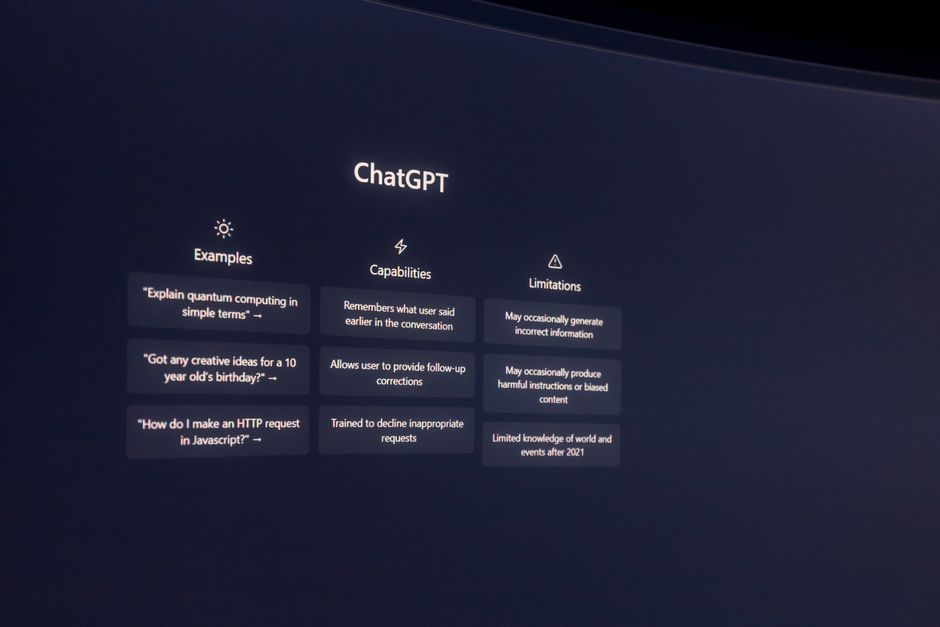
- Inaccuracies: Sometimes, AI Overviews can “hallucinate,” meaning they present false information as fact. This can happen if the underlying data is contradictory, outdated, or misinterpreted by the AI. We’ve seen examples where AI Overviews have suggested eating glue or putting rocks in pizza, based on misinterpretations of humor or isolated forum posts.
- Bias: The internet reflects human biases, and AI models can unfortunately absorb and perpetuate these. An AI Overview might inadvertently favor certain perspectives or overlook marginalized voices if its training data is imbalanced.
- Lack of Nuance: Complex topics rarely have a single, simple answer. An AI summary, by its very nature, might oversimplify or omit crucial context, leading to an incomplete understanding. For instance, an AI Overview on political situations in a specific European country might miss critical historical context or diverse viewpoints present in local news.
- Outdated Information: While search engines constantly index new information, AI models need to be retrained or updated. There can be a lag, meaning an AI Overview might present information that is no longer current, especially for fast-moving news or scientific developments.
How Small Publishers and Content Creators Are Affected
For individuals and small businesses that rely on search traffic to bring readers to their websites, AI Overviews present a new challenge and opportunity.
Less Direct Traffic for Simple Queries
If an AI Overview directly answers a user’s question, that user might not click through to your article. This could potentially reduce website traffic for content that provides simple, factual answers. Bloggers in Brazil sharing straightforward recipes or local travel guides in Canada might see this effect first.
The Value of Depth, Perspective, and Experience
This shift emphasizes the importance of creating content that goes beyond simple facts. If your content offers unique insights, personal experiences (like a first-hand review of a restaurant in Paris), deeply researched analysis, or a unique voice, it’s less likely to be fully encapsulated by an AI summary. Content that provides a unique perspective or dives deep into a niche subject will continue to attract discerning readers who want more than just a quick answer.
Optimizing for AI Overviews (and Human Readers)
Publishers might need to adapt their strategies. This includes:
- Clear, Concise Answers: While AI Overviews aim to summarize, they often pull snippets directly from well-structured content. Providing clear, concise answers to common questions within your articles can make your content more likely to be featured in an AI Overview.
- Structured Data: Using schema markup can help search engines (and AI models) better understand your content, making it easier for them to extract relevant information.
- Focus on Authority and Trust: E-E-A-T (Experience, Expertise, Authoritativeness, Trustworthiness) remains crucial. AI models, like human readers, are more likely to prioritize information from reputable, expert sources.
Navigating the New Search Landscape as a Reader
As an everyday user, you have a crucial role in adapting to this new search environment. Here’s how to stay informed and get the most out of an AI Overviews search:
- Always Verify: Think of AI Overviews as a starting point, not the definitive end. Especially for important information (health, finance, legal advice, or even complex travel planning for a trip through South America), always cross-reference the AI’s answer with trusted sources. Check the cited links, if available.
- Look for Sources: Most AI Overviews from major search engines like Google will include links to the websites they pulled information from. Make it a habit to glance at these sources to ensure they are reputable.
- Question Complex Answers: If an AI Overview provides a seemingly simple answer to a complex, multi-faceted question, be skeptical. There’s likely more to the story.
- Use Traditional Search When Needed: Don’t hesitate to scroll past the AI Overview and look at the traditional blue links. Sometimes, the best answer still lies within a well-written article or a specific forum discussion.
- Experiment with Different AI Tools: Try using Google AI Overviews, Bing Copilot, or even Perplexity for the same query. You might get different perspectives and identify more comprehensive answers. Each tool has its strengths.
FAQ: Your Questions About AI Overviews Answered
What is an AI Overview in search results?
An AI Overview is an AI-generated summary that appears at the top of search engine results pages. Its purpose is to directly answer a user’s query by synthesizing information from multiple web sources, aiming to provide a quick, consolidated response without requiring the user to click on individual links.
How does AI change the way people search for information?
AI transforms search from a link-discovery process to an answer-delivery mechanism. Instead of curating a list of websites, AI-powered search engines now attempt to provide a direct, summarized answer. This saves time for simple queries but places more responsibility on the user to verify the AI-generated information, especially for critical topics.
Are AI Overviews always accurate?
No, AI Overviews are not always accurate. While they strive for precision, they can sometimes generate incorrect, misleading, or outdated information, a phenomenon often called “hallucination.” It’s crucial to cross-reference AI-generated answers with reputable sources, particularly for important decisions or factual verification.
What is the difference between Google AI Overviews and ChatGPT?
Google AI Overviews are integrated directly into Google Search, providing summaries for specific search queries. ChatGPT is a standalone conversational AI model developed by OpenAI that you interact with separately. While both use generative AI, Google’s tool is specifically designed to enhance search results, whereas ChatGPT is a more general-purpose AI assistant for conversations, content creation, and more.
Will AI Overviews replace traditional search results?
It’s unlikely AI Overviews will completely replace traditional search results. While they are becoming increasingly prominent for many queries, the traditional list of links still provides valuable context, diverse perspectives, and direct access to original sources. For complex or nuanced topics, traditional results remain essential for thorough research and critical evaluation.
Key Takeaways for Navigating AI Overviews
The world of search is definitely evolving. The arrival of AI Overviews search capabilities from Google and others means a new way of interacting with information online. For everyday readers, this means a blend of convenience and responsibility. You’ll get quicker answers, but you also need to develop a sharper eye for verifying information and understanding the limitations of AI.
For small publishers and content creators, the focus shifts from simply being found to providing truly valuable, in-depth content that AI Overviews can’t fully replicate. Unique perspectives, detailed guides, and trusted authority will become even more important in attracting and retaining an audience.
Ultimately, this isn’t about AI replacing human intelligence, but rather augmenting our ability to find and process information. By staying informed, critically engaging with AI-generated content, and valuing the depth that human-created content offers, we can all navigate this new era of search successfully. For more clear AI explainers and how they impact your digital life, be sure to follow Le Daily Post for clear AI explainers.