

That nervous knot in your stomach before a big interview or a high-stakes presentation? It’s a universal feeling. Whether you’re vying for a dream job in Berlin, pitching a new idea in Buenos Aires, or presenting quarterly results in New York, the core challenge remains: how do you articulate your thoughts clearly, persuasively, and with genuine confidence?
For years, the go-to methods involved rehearsing in front of a mirror, asking a patient friend for feedback, or maybe hiring a coach. These are still valuable, but a new, accessible layer of preparation has emerged, one that many people are still figuring out: AI. The good news is, you don’t need to be a tech guru to benefit. This isn’t about building complex algorithms; it’s about using AI as a sophisticated, always-available practice partner, helping you refine your message and boost your confidence without overcomplicating the process.
Instead of seeing AI as something that adds complexity to your already stressful prep, consider it a streamlined resource. From generating tough interview questions to refining the clarity of your presentation slides, AI can give you an edge. Let’s look at how to integrate these tools into your routine naturally, making your preparation more effective, not more complicated.

Quick Overview: How AI Can Simplify Your Prep
- Question Brainstorming: Get a comprehensive list of potential interview questions or audience queries for your topic.
- Answer Refinement: Polish your responses for clarity, conciseness, and impact.
- Presentation Structuring: Organize your ideas logically, identify key takeaways, and outline your flow.
- Tone and Language Check: Ensure your language is appropriate for the context – professional, persuasive, or inspiring.
- Role-Playing Simulations: Practice answering questions in a simulated environment, getting immediate text-based feedback.
- Content Generation (with caution): Create draft bullet points or intro/outro ideas, which you then heavily personalize.
- Confidence Building: Consistent practice with AI can help reduce anxiety and improve recall under pressure.
Beyond the Mirror: Crafting Interview Answers with AI
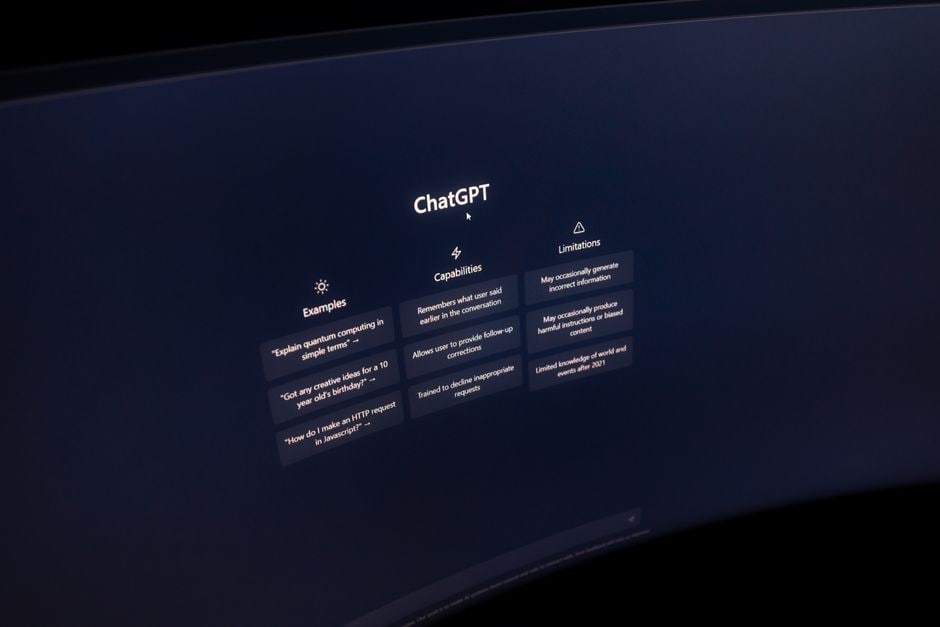
One of the biggest hurdles in interview preparation is anticipating what you’ll be asked and formulating concise, impactful answers. AI, specifically large language models (LLMs) like those powering OpenAI’s ChatGPT, can be incredibly effective here. Don’t think of it as writing your answers for you, but rather as a highly intelligent brainstorming partner.
Brainstorming Potential Questions
Start by feeding the AI details about the role or presentation topic. For a job interview, provide the job description, company name, and industry. For a presentation, give it your topic, target audience, and key objectives. Then, ask it to generate potential questions. For example:
Prompt Example: “I’m interviewing for a Senior Marketing Manager role at a SaaS company called ‘InnovateTech’ specializing in cloud solutions. The job description emphasizes strategic planning, team leadership, and data-driven campaigns. Generate 10 challenging interview questions I might face, including behavioral questions and situational judgment questions.”
The AI will often return a mix of standard and more specific questions. This gives you a solid foundation to prepare for a wide range of inquiries.
Refining Your Responses
Once you have potential questions, formulate your initial answers. Then, paste your answers into the AI and ask for feedback. Be specific in your request:
Prompt Example: “I’ve drafted an answer to ‘Tell me about a time you failed.’ Here’s my answer: [Your long, rambling answer here]. Can you make this answer more concise, impactful, and structured using the STAR method (Situation, Task, Action, Result)? Also, ensure it highlights my resilience and learning.”
The AI can help you cut unnecessary words, suggest stronger verbs, and reframe sentences to emphasize your strengths. It’s like having an editor for your spoken word.
Structuring Your Story: Presentations Made Clearer
Presentations demand structure. Without it, even the most brilliant ideas can get lost. AI can help you move from a jumble of thoughts to a clear, compelling narrative.
Outline Generation and Flow
Give the AI your topic, the duration of your presentation, and your main objective. Ask it to generate an outline. For instance:
Prompt Example: “I need to give a 15-minute presentation on ‘The Future of Sustainable Urban Development’ to a group of city planners in São Paulo. My goal is to persuade them to consider green infrastructure projects. Generate a compelling outline with an introduction, 3-4 main points, and a strong call to action.”
The AI can provide a logical flow, suggest transitions, and even help you identify areas where you might need supporting data. This is invaluable for ensuring your presentation doesn’t just share information but also tells a coherent story.
Slide Content and Talking Points
While you should never copy-paste AI-generated text directly onto your slides, it can be a fantastic tool for brainstorming bullet points or specific phrases. If you have a complex idea, ask the AI to simplify it for a general audience or to suggest analogies. You can also paste your existing slide content and ask the AI to suggest more concise wording or stronger headlines.
Caveat: Remember, AI doesn’t understand your audience or context as deeply as you do. Always personalize and verify any suggestions. Your unique voice and insights are what make a presentation memorable.
The Practice Arena: Simulating Real-World Scenarios
The most effective way to improve is by doing. AI can act as a tireless interviewer or an attentive audience, helping you practice using AI for interview presentation prep in a low-stakes environment.
Role-Playing Interviews
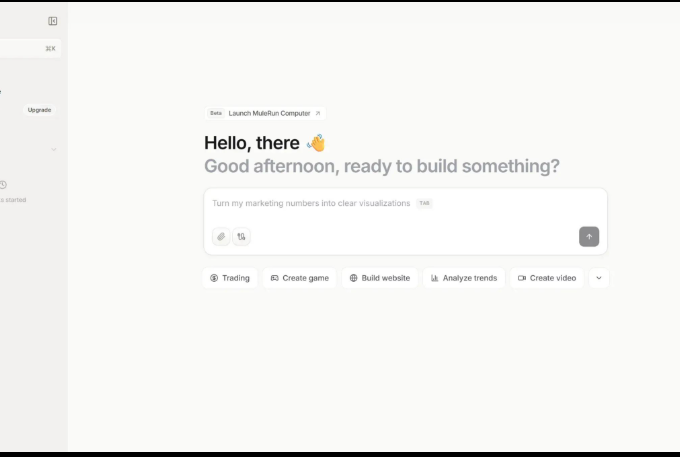
You can instruct the AI to act as an interviewer. This is where tools like ChatGPT truly shine. Tell it: “You are an interviewer from a major European tech firm. I am interviewing for a Product Manager role. Ask me questions one by one, and after I respond, provide constructive feedback on my answer’s clarity, relevance, and conciseness.”
This allows you to practice articulating your thoughts under pressure, and the AI’s feedback can highlight areas for improvement in real-time. It’s a fantastic way to identify if you’re rambling, missing key points, or not directly answering the question.
Presentation Rehearsal Feedback
While AI can’t currently give feedback on your body language or vocal tone, it can still help with content delivery. You can paste your presentation script and ask the AI to identify repetitive phrases, awkward phrasing, or areas that lack persuasive language. You can even ask it to play the role of a skeptical audience member, challenging your points.
The Difference Between Chatbots, Copilots, and AI Agents: A Practical Guide for Remote Workers
Beyond the Buzzwords: Understanding AI’s Limitations and Ethics
While using AI to prepare for interviews and presentations offers clear advantages, it’s crucial to approach it with a realistic understanding of its limitations and the ethical considerations, especially with regulations like the EU AI Act on the horizon.
What AI Isn’t (Yet)
- A Replacement for Human Connection: AI can’t teach you empathy, authentic connection, or the nuances of human interaction that are vital in any personal exchange.
- A Source of Guaranteed Success: It’s a tool for preparation, not a magic bullet. Your genuine skills, experience, and personality remain paramount.
- Always Factually Correct: AI can ‘hallucinate’ or generate plausible-sounding but incorrect information. Always double-check any facts or statistics it provides, especially when preparing for interviews where accuracy is key.
Ethical Considerations
When using AI for prep, remember:
- Originality: The goal is to enhance your own thoughts and delivery, not to present AI-generated content as your own original work. Always rephrase and personalize.
- Confidentiality: Do not feed sensitive or confidential company information into public AI models like ChatGPT. While OpenAI has privacy policies, it’s best to err on the side of caution.
- Bias: AI models are trained on vast datasets that can contain inherent biases. Be mindful that suggestions might reflect these biases, and always apply your critical judgment.
The EU AI Act, for example, aims to ensure AI systems are safe, transparent, non-discriminatory, and environmentally friendly. While your personal use for interview prep isn’t directly regulated, understanding the broader push for responsible AI use is important for any curious everyday user across Europe, North America, or South America.
FAQ: AI Interview & Presentation Prep
Can I use ChatGPT to practice my presentation delivery?
While ChatGPT excels at text-based interactions, it cannot directly assess your vocal tone, body language, or pace of delivery. However, you can paste your script into ChatGPT and ask for feedback on clarity, conciseness, and persuasive language. Some newer AI tools with voice capabilities are emerging, but for pure content refinement, ChatGPT is a strong starting point.
Is it acceptable to use AI to generate entire answers for my interview?
No, it’s generally not advisable to use AI to generate entire answers verbatim. Interviewers look for authenticity, your unique perspective, and how you articulate your thoughts. Use AI as a brainstorming partner, a tool for refinement, and a structure guide, but always ensure the final answer is in your own words and reflects your genuine experience and personality.
What’s the best way to prompt AI for effective interview question generation?
To get the best interview questions, be as specific as possible. Provide the job title, company industry, key responsibilities from the job description, and any specific skills or values emphasized. For example: “Act as a recruiter for a fintech startup. Generate 10 behavioral and situational questions for a Lead Data Scientist role focused on fraud detection.”
How can AI help me if I get nervous during presentations?
AI can help by providing extensive practice opportunities. The more you rehearse your answers and presentation points with AI, the more familiar and confident you’ll become with the content. This familiarity reduces the cognitive load during the actual event, allowing you to focus more on delivery and audience engagement rather than trying to recall information.
Are there specific AI tools better than ChatGPT for this kind of preparation?
For most users, ChatGPT (or similar LLMs like Google’s Gemini, or Microsoft Copilot) is more than sufficient for text-based interview and presentation prep. Some specialized AI tools offer mock interview simulations with video and voice analysis, but these often come with a cost. For basic brainstorming, refinement, and role-playing, general-purpose LLMs are highly effective and accessible.
Key Takeaways for AI Interview Presentation Prep
Using AI to prepare for interviews and presentations doesn’t have to be a complex undertaking. At its core, it’s about leveraging a smart tool to enhance your existing preparation methods. Think of it as having an always-available, objective sounding board that can help you refine your thoughts, structure your message, and anticipate challenges.
The real value of AI in this context lies in its ability to generate relevant questions, help you articulate concise answers, and provide structural guidance for your presentations. It helps you identify gaps in your knowledge or clarity before you’re in the hot seat, whether that’s a virtual meeting from your home office in Toronto or a boardroom in Paris.
Remember to treat AI as an assistant, not a replacement for your own critical thinking and unique voice. Always personalize its suggestions, double-check facts, and maintain your authenticity. By doing so, you’ll find that using AI to prepare for interviews and presentations without overcomplicating it is a powerful way to step into any situation feeling more prepared and confident than ever before.
Follow Le Daily Post for clear AI explainers that cut through the jargon and offer practical insights. Our goal is to help you navigate the evolving world of AI with confidence and understanding.