

A minimalist wardrobe checklist for busy professionals focuses on versatile, high-quality, interchangeable pieces that can be mixed and matched for various occasions, from client meetings to casual dinners. This approach reduces clutter, saves time, and ensures a consistent, polished look. Key items include foundational neutrals like tailored blazers, well-fitting trousers, classic shirts, and quality knitwear, allowing for effortless transitions between different professional and social settings across various climates, from the humid summers of Sao Paulo to the crisp autumns of Madrid.
I’ve seen firsthand how a well-considered wardrobe can transform a professional’s daily life. It’s not just about looking good; it’s about freeing up mental space. Imagine the scenario: you’re packing for a last-minute flight from Toronto to London, or prepping for an important presentation in Sao Paulo. The last thing you need is to stare blankly into a closet full of clothes, feeling like you have nothing to wear. That feeling of overwhelm is a common thread among busy professionals, regardless of where they are in the world.
The solution isn’t more clothes; it’s smarter clothes. It’s about building a versatile collection that speaks to your professional needs and personal style, minimizing decisions, and maximizing utility. This isn’t just a trend; it’s a practical strategy for anyone whose schedule demands efficiency and a polished appearance without the fuss.
Why a Minimalist Wardrobe is a Strategic Asset
For the modern professional, time is a precious commodity. Every minute spent on trivial decisions like ‘what to wear’ is a minute diverted from more impactful tasks. A minimalist wardrobe isn’t about having very few items; it’s about having the right items. It means every piece in your closet serves a purpose, fits impeccably, and can be combined in multiple ways. This approach drastically cuts down on decision fatigue, particularly for those who frequently travel for work across different continents, from the bustling financial districts of North America to the vibrant cultural hubs of Europe and South America.
Consider the logistical advantages: lighter luggage for frequent flyers, fewer dry-cleaning bills, and a clearer understanding of your personal style. It’s a move towards conscious consumption and an investment in pieces that offer longevity and timeless appeal, rather than chasing fleeting trends. This strategy pays dividends in convenience, confidence, and sustainability.

Your Essential Minimalist Wardrobe Checklist for Busy Professionals
Building this core collection requires a thoughtful approach, focusing on quality, versatility, and fit. Here’s a breakdown of the key categories to consider:
1. The Foundation: Neutral Bottoms
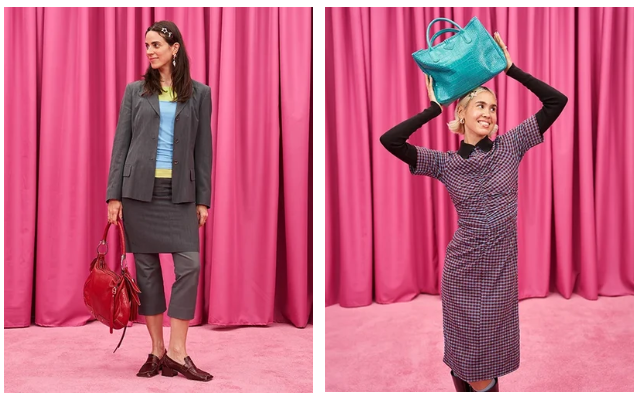
Start with 3-4 pairs of high-quality bottoms in versatile neutrals like black, charcoal, navy, or a sophisticated beige. Think tailored trousers (e.g., a slim-fit wool blend from Theory or Aritzia), a classic pencil skirt, and perhaps a well-fitting dark wash denim for business casual days or travel. These should be comfortable enough for long flights but sharp enough for meetings. For humid climates like Sao Paulo, opt for breathable fabrics such as linen-blends or lightweight wool.
2. Versatile Tops & Shirts
Aim for 5-7 versatile tops. This includes 2-3 crisp button-down shirts (white, light blue, or a subtle stripe), a couple of silk blouses (for a touch of elegance), and 2-3 high-quality knit tops (e.g., merino wool or cashmere blends for cooler climates like Madrid or Paris). These pieces should easily pair with all your bottoms and layers. Look for brands like J.Crew or Everlane for reliable basics.
Affordable Workwear That Looks Premium: A Global Style Guide
3. Essential Layering Pieces
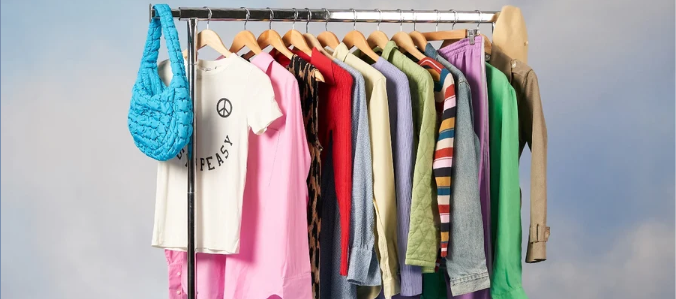
Layers are crucial for adapting to different office temperatures, meeting various dress codes, and handling diverse climates when traveling. Include 2-3 tailored blazers (black, navy, or a classic grey from Banana Republic), a versatile cardigan, and a chic trench coat for transitional weather. A well-made trench is invaluable, perfect for Parisian spring showers or keeping warm on a breezy evening in Buenos Aires.
4. The Outerwear All-Rounder
Beyond the trench, consider one additional piece of outerwear that suits your most frequent travel destinations. This could be a sophisticated wool coat for colder destinations in North America and Europe, or a lighter, water-resistant jacket for more temperate regions. The key is insulation without bulk, making it easy to pack and layer.
5. Smart & Comfortable Footwear
You’ll need 3 pairs: comfortable, professional flats (think classic loafers or ballet flats from Cole Haan), elegant heels or block-heeled pumps suitable for client meetings, and a pair of stylish but practical ankle boots for colder weather or more relaxed settings. Ensure all shoes are comfortable for extended wear and walking, especially if you anticipate exploring cities like Rome or New York on foot.
6. Accessories That improve
Accessories are where you can inject personality without adding bulk. Invest in a high-quality leather work bag large enough for a laptop and essentials (like a Tumi tote), a versatile silk scarf that can add color to any outfit (perfect for European flair in Madrid), a simple belt, and a few pieces of timeless jewelry. These items allow you to transform an outfit from day to night or formal to casual with ease.
7. Underpinnings & Loungewear
While often overlooked, quality undergarments and comfortable loungewear are vital, especially for travel. Pack enough comfortable, seamless underwear, a few versatile bras, and perhaps a pair of lightweight pajamas or a comfortable lounge set. These make a significant difference in comfort during long journeys or unwinding after a busy day.
Comparing Wardrobe Strategies: Minimalist vs. Capsule vs. Maximalist
Understanding the distinctions between various wardrobe approaches can help you pinpoint what works best for your professional life. While they share some common ground, their core philosophies differ:
| Strategy | Core Philosophy | Typical Item Count | Best For |
|---|---|---|---|
| Minimalist Wardrobe | Focus on high-quality, versatile, timeless essentials. Fewer items, maximum utility, reduced decision-making. | 30-50 items (excluding intimates, PJs, formalwear) | Busy professionals, frequent travelers, those prioritizing efficiency and quality. |
| Capsule Wardrobe | Curated, limited collection for a specific season or period, designed to be completely interchangeable. Often seasonal. | 15-35 items (for a 3-month period) | People wanting to experiment with minimalism, seasonal style updates, specific travel needs. |
| Maximalist Wardrobe | Embracing abundance, variety, and trend-driven pieces. Focus on self-expression through diverse styles and colors. | 100+ items (often many never worn) | Fashion enthusiasts, those with ample closet space, people who enjoy frequent wardrobe changes. |

Common Mistakes to Avoid When Building Your Minimalist Wardrobe
Embarking on a minimalist journey can be incredibly rewarding, but it’s easy to stumble if you’re not careful. A common mistake is purging too aggressively initially. Don’t throw out everything at once. Start by identifying your core pieces and gradually remove items that don’t serve a clear purpose or fit well. Give yourself time to understand what you truly need before making drastic changes.
Another pitfall is sacrificing quality for quantity. A minimalist wardrobe thrives on durable, well-made pieces that will withstand frequent wear and washing. Opting for cheaper, trend-driven items that quickly fall apart contradicts the entire philosophy. It’s better to save up for one exceptional blazer than to buy three mediocre ones.
AI Styling Apps: Can They Build Better Outfits Than a Personal Shopper?
Overlooking your actual lifestyle and professional needs is also a frequent misstep. If your job requires formal attire daily, don’t build a wardrobe solely based on business casual. Similarly, if you frequently travel to cold climates, a closet full of linen dresses won’t serve you. Be honest about your day-to-day requirements, considering different cities and their unique dress codes, whether it’s the more conservative business culture in parts of North America or the relaxed elegance often seen in European capitals like Paris.
Finally, falling into the ‘uniform trap’ – wearing the same few outfits repeatedly without any variation – can lead to boredom and a lack of self-expression. A minimalist wardrobe doesn’t mean boring. Use accessories, different shoe choices, and even minor styling adjustments to keep your looks fresh and personalized. For instance, a simple black dress can look entirely different with a colorful scarf and pumps for a Madrid dinner versus a tailored blazer and flats for a daytime meeting in New York.
Frequently Asked Questions About Minimalist Wardrobes
What should readers know about a minimalist wardrobe checklist?
Readers should understand that a minimalist wardrobe checklist is a practical framework, not a rigid set of rules. It emphasizes high-quality, versatile pieces that simplify daily dressing, reduce stress, and ensure you always have appropriate attire for professional and personal events. It’s about intentional choices that align with your lifestyle, especially for busy professionals and frequent travelers.
How many items are typically in a minimalist wardrobe for professionals?
While there’s no strict number, a professional minimalist wardrobe often consists of around 30-50 core items. This count usually excludes intimates, sleepwear, activewear, and highly specialized formal attire. The goal is functionality and interchangeability rather than a specific item count, allowing adaptability for climates from Sao Paulo to Paris.
Can a minimalist wardrobe work for different climates and travel?
Absolutely. The core principle of versatility makes a minimalist wardrobe ideal for different climates and travel. By focusing on layering pieces like blazers and cardigans, and selecting fabrics suitable for varying temperatures (e.g., merino wool for cool Europe, linen for humid South America), you can easily adapt your outfits without overpacking. Key is choosing smart fabrics and adaptable items.
What are the first steps to creating a minimalist wardrobe?
Start by decluttering your current closet: remove items that don’t fit, are damaged, or haven’t been worn in over a year. Then, identify your ‘power pieces’ – items you love and wear often. Finally, make a list of essential gaps based on your professional and personal needs, focusing on high-quality, versatile items that will integrate well with your existing favorites.
Is a minimalist wardrobe cheaper in the long run?
Yes, a minimalist wardrobe is generally more cost-effective over time. While initial investments in high-quality pieces might seem higher, these items last longer, require less frequent replacement, and provide more styling options. This reduces impulse buys and the need to constantly refresh your closet with fleeting trends, leading to significant savings.
Building a minimalist wardrobe is a journey toward efficiency, confidence, and sustainability. It’s about being deliberate with your choices, ensuring every piece you own serves you well, regardless of where your professional life takes you. For more practical style guides and tips to streamline your life, explore more practical style guides on Le Daily Post.