
We’ve all been there: scrolling through online stores, captivated by the latest trends, or walking past a storefront with a ‘buy one, get one free’ sign practically screaming our name. The allure of a fresh, new look at an accessible price point is powerful, and fast fashion brands have mastered the art of making us feel like we need that item right now. From the bustling shopping streets of Madrid to the vibrant markets of Sao Paulo, the global reach of these retailers means instant gratification is often just a tap or a swipe away. But for many budget-aware shoppers, there’s a growing unease. How do we participate in this accessible fashion world without contributing to its darker side?
The challenge isn’t to entirely abandon these brands; for many, they’re the only practical option. The real skill lies in developing a strategy to make fast fashion purchases more thoughtful. It’s about being more deliberate, more discerning, and ultimately, more satisfied with our choices. This isn’t about shaming anyone’s shopping habits, but rather empowering you with tools to build a wardrobe you genuinely love, one carefully chosen piece at a time.
As a seasoned editor observing consumer patterns across North America, Europe, and South America, it’s clear that the conversation around fast fashion has shifted from simple consumption to conscious consumption. We’re past the point of blindly buying; now it’s about making informed decisions that align with our budgets and values. Let’s explore how to navigate this landscape with intelligence and style.
Understanding the Landscape: Why Thoughtful Fast Fashion Matters
Fast fashion thrives on speed and volume. Trends move at lightning pace, and garments are produced quickly and cheaply to meet demand. While this accessibility is a boon for many, it often comes at a cost – both environmental and ethical. From the cotton fields to the dyeing factories, the sheer scale of production has significant ecological implications, consuming vast amounts of water and chemicals. Furthermore, the drive for low prices frequently puts pressure on garment workers, leading to concerns about fair wages and safe working conditions.
For the average shopper, these concerns can feel overwhelming, making it seem like the only solution is to stop buying altogether. However, that’s not a realistic or necessary approach for most. Instead, the focus should be on shifting from mindless acquisition to mindful selection. By committing to make fast fashion purchases more thoughtful, you’re not just saving money; you’re also playing a part in demanding better from the industry, even if it’s just by extending the life of your clothes.
Consider the difference between buying five poorly made T-shirts that fall apart after a few washes versus investing in two slightly better-quality ones that last for years. The initial outlay might be similar, but the longevity and overall satisfaction are vastly different. This isn’t about elitism; it’s about practicality and maximizing value within your budget. Understanding these trade-offs is the first step toward a smarter, more sustainable wardrobe.

Strategies to Make Fast Fashion Purchases More Thoughtful
Shifting your buying habits takes practice, but the payoff is a wardrobe that works harder for you and causes less stress. Here’s how to make fast fashion purchases more thoughtful:
1. Shop with Intention: Know Your Wardrobe Gaps
Before you even browse, take stock of what you already own. What pieces are missing? What items are worn out and need replacing? Creating a mental (or actual) list of specific items you need helps you avoid impulse buys. For instance, if you need a versatile black blazer, focus your search entirely on that. Don’t get sidetracked by a trendy top that doesn’t fit your current needs. This focused approach is key to make fast fashion purchases more thoughtful.
2. Prioritize Versatility: Think Multi-Occasion Wear
When considering an item, ask yourself: Can I wear this in at least three different ways? A simple blouse that works for the office, a casual weekend, and a night out is far more valuable than a highly specific piece you’ll wear once. Brands like Zara often have basic yet stylish pieces that can be dressed up or down. Look for neutral colors and classic silhouettes that can be mixed and matched with existing items.
3. Inspect Quality Forensically
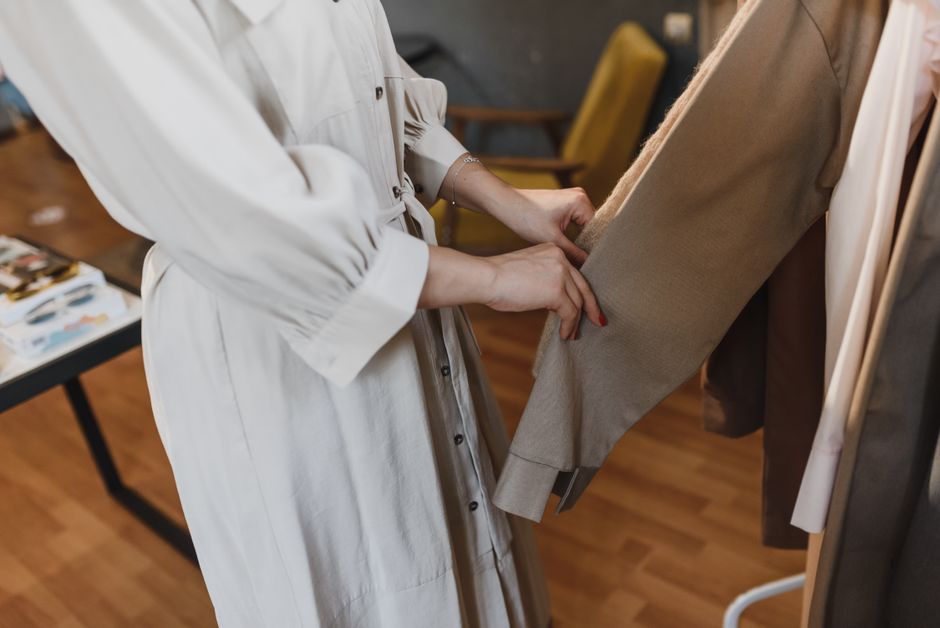
This is crucial. Before buying, physically examine the garment. Check seams for loose threads, ensure buttons are securely sewn, and zippers move smoothly. Look at the fabric composition – natural fibers like cotton or linen often breathe better and can last longer than some synthetics, though blends can offer durability too. A quick stretch test on knitwear can reveal if it’s likely to lose its shape after a wash. This simple act of inspection will significantly make fast fashion purchases more thoughtful.
4. Understand Your Personal Style
Trends come and go, but personal style endures. Don’t buy something just because it’s ‘in.’ Does it genuinely reflect who you are and what you feel comfortable in? A stylish person in Paris might gravitate towards classic cuts, while someone in Sao Paulo might prefer bolder colors and patterns. Your personal style compass should guide your decisions, not fleeting fads.
Fabrics for Humid Cities Like Miami, Lisbon, and Rio: The Practical Ranking for Beating the Heat
5. Wait and Watch for Sales
Fast fashion is almost constantly on sale. If you see something you like, add it to your cart or wish list and wait a week or two. Chances are, it will be discounted soon. This not only saves you money but also gives you time to reconsider if you truly need the item, thus helping you make fast fashion purchases more thoughtful.
6. Read Reviews and Understand Sizing
Online reviews can be a goldmine of information about fit, fabric quality, and how an item holds up after washing. Sizing can be wildly inconsistent across brands and even within different collections of the same brand. Taking a moment to read what other shoppers say can save you the hassle of returns and ensure a better fit, especially when shopping internationally.
7. Care for Your Clothes Properly
The lifespan of a garment often depends on how well it’s cared for. Read washing labels. Hand-washing delicate items, air-drying instead of tumble-drying, and repairing small tears or missing buttons can dramatically extend the life of your fast fashion buys, making them a more thoughtful investment in the long run.
Comparing Shopping Approaches: A Smarter Look
When it comes to acquiring new clothes, there are several avenues available, each with its own pros and cons. Understanding these can further help you make fast fashion purchases more thoughtful by seeing where they fit into a broader strategy.
| Approach | Pros | Cons | Best For |
|---|---|---|---|
| Fast Fashion Retailers (e.g., H&M, Shein) | Low prices, latest trends, wide variety, quick availability. | Variable quality, ethical/environmental concerns, can encourage overconsumption. | Experimenting with trends, filling specific wardrobe gaps affordably, items you don’t expect to last decades. |
| Mid-Range Brands (e.g., Everlane, & Other Stories) | Better quality materials/construction, often more transparent supply chains, classic styles. | Higher price point than fast fashion, still subject to some trend cycles. | Building a foundation of quality basics, investing in key pieces like tailored trousers or well-made knits. |
| Thrift Stores / Secondhand (e.g., Goodwill, Vinted) | Unique finds, highly sustainable, excellent value, supports local charities. | Requires time and patience, sizing can be tricky, limited availability of specific items. | Unique pieces, vintage finds, sustainable shopping, developing personal style, cost savings. |
| Rental Services (e.g., Rent the Runway) | Access to designer items, sustainability, avoids commitment, great for special occasions. | Monthly fees, not suitable for everyday wear, items are not yours to keep. | Special events, trying out high-end brands, diversifying your look without ownership. |
For most budget-aware shoppers looking to make fast fashion purchases more thoughtful, a blend of these approaches is often ideal. Fast fashion can serve its purpose for trendy accessories or basic replacements, while secondhand stores offer unique, sustainable finds, and perhaps a few key mid-range items round out the wardrobe. The key is balance and conscious decision-making for each purchase.
Common Mistakes to Avoid When Shopping Fast Fashion
Even with the best intentions, it’s easy to fall back into old habits. Recognizing these common pitfalls can help you stay on track to make fast fashion purchases more thoughtful.
A common mistake is buying for a ‘future self’ or a ‘fantasy life.’ That gorgeous dress might look incredible on a model strolling through the streets of Paris, but if your daily life in North America involves mostly casual wear, it might sit in your closet unworn. Be realistic about your lifestyle and what you actually need. Ask yourself where and when you’d wear an item in the next month, not someday in the distant future.
Another pitfall is succumbing to the ‘deal mentality.’ Just because something is heavily discounted doesn’t mean it’s a good deal if you don’t need it or if it’s poor quality. The 70% off sweater that pills after one wash isn’t saving you money; it’s costing you, both financially and in terms of space in your wardrobe. Always prioritize need and quality over a seemingly irresistible price tag.
Ignoring care instructions is another common error. Many fast fashion garments are designed for specific washing methods. Throwing everything into a hot wash and tumble dry can quickly degrade fabric, cause shrinkage, and lead to pilling, shortening the item’s life significantly. Taking an extra minute to check the label can add months or even years to a garment’s wearability.
Lastly, don’t overlook the return policy. In some regions, like parts of South America, return windows might be shorter or require more effort. Understand the terms before you buy, especially online. A hassle-free return policy means you can try items on properly at home without pressure, which is crucial for making confident, thoughtful purchases.
FAQ: Thoughtful Fast Fashion Shopping
Here are some direct answers to common questions about making smarter fast fashion choices:
Sustainable Swimwear Trends for European and American Summer Travel
Q: What are the best fabrics to look for in fast fashion for longevity?
A: For longevity in fast fashion, prioritize natural fibers like cotton, linen, and Tencel for breathability and durability. Blends with a small percentage of elastane or spandex can add comfort and shape retention. Avoid overly thin or sheer fabrics that tend to wear out quickly. Checking the fabric weight can also indicate better quality.
Q: How can I identify good quality stitching in fast fashion items?
A: Good quality stitching is even, tight, and consistent. Look for straight seams without puckering or loose threads. Double stitching in high-stress areas, like armholes or inseams, is a good sign. Avoid items where seams look strained, or the fabric appears to be pulling apart at the stitches, as these are prone to unraveling.
Q: Is it better to buy fewer, more expensive items or more, cheaper items?
A: Generally, buying fewer, more thoughtfully chosen items, even if they’re slightly more expensive, offers better value in the long run. Higher quality pieces tend to last longer, require fewer replacements, and often look better. This reduces overall consumption and encourages a more curated, functional wardrobe rather than a disposable one.
Q: How can I avoid impulse purchases when shopping online?
A: To avoid impulse online purchases, use a ‘cooling-off period.’ Add items to your cart or wish list, then wait 24-48 hours before buying. During this time, reconsider if you truly need the item, if it fits your existing wardrobe, and if the quality meets your expectations based on reviews. This delay often prevents regretful purchases.
Q: What role do accessories play in thoughtful fast fashion?
A: Accessories can significantly extend the versatility of fast fashion items. A well-chosen belt, scarf, or piece of jewelry can transform a basic outfit, making it suitable for different occasions. Investing in slightly higher-quality, timeless accessories can improve cheaper clothing, allowing you to get more wear out of your foundational pieces.
Making fast fashion purchases more thoughtful isn’t about perfection; it’s about progress. It’s about building a wardrobe that serves you well, respects your budget, and aligns with a more conscious way of living. By applying these strategies, you can enjoy accessible fashion without compromise.
Ready to refine your style further? Explore more practical style guides on Le Daily Post.