

A travel budget spreadsheet is a detailed financial planning tool that helps you estimate, track, and manage all potential costs associated with a trip before and during your journey. By meticulously categorizing expenses like flights, accommodation, food, activities, transportation, and contingency funds, it prevents overspending, highlights areas for potential savings, and provides a clear financial roadmap. It’s crucial for solo travelers to ensure financial independence and peace of mind when exploring destinations like New York, Buenos Aires, or Rome.
You’ve seen the picture-perfect postcards, the dazzling Instagram feeds, and the intrepid tales of solo explorers traversing continents. The dream of wandering through ancient Roman streets, soaking in the vibrant energy of New York, or dancing tango in Buenos Aires as a solo traveler is compelling. But then reality sets in: how much will it actually cost? The romantic ideal often collides with the practical challenge of managing finances on the go.
A common mistake is diving headfirst into flight bookings and hotel reservations without a comprehensive financial plan. This often leads to unexpected expenses, budget blowouts, and the stressful realization that your dream trip might be cut short. Many solo adventurers find themselves scrambling for cash halfway through, having underestimated everything from daily coffee costs to the unexpected entry fee for a must-see landmark.
This is precisely where a dedicated travel budget spreadsheet: what to track before booking becomes indispensable. It’s not just about listing numbers; it’s about gaining control, making informed decisions, and transforming your travel aspirations into a financially viable reality. It’s the difference between a spontaneous, budget-breaking trip and a well-orchestrated, stress-free adventure.

Your Travel Budget Spreadsheet: A Quick Overview
Before we dive into the nitty-gritty, here’s a snapshot of the core components a solid travel budget spreadsheet should encompass. Think of this as your foundational checklist for financial sanity on the road:
- Transportation (Flights, Trains, Buses): The biggest upfront cost.
- Accommodation: Hostels, hotels, Airbnb, guesthouses – nightly rates are key.
- Food & Drink: From daily coffees to fine dining or grocery runs.
- Activities & Sightseeing: Museum passes, tours, concerts, classes.
- Local Transportation: Metro, taxis, ride-shares, inter-city buses.
- Travel Insurance: Non-negotiable for peace of mind.
- Visa Fees & Documentation: Depending on your destination and nationality.
- Miscellaneous & Contingency: For unexpected bumps in the road.
Deep Dive: Building Your Travel Budget Spreadsheet Categories
Let’s break down each essential category your travel budget spreadsheet needs, with practical examples and considerations for solo travelers.
1. Transportation: Getting There and Around
This category often represents the lion’s share of your initial outlay. It’s not just the big flight to Europe or South America; it’s every leg of the journey.
International and Domestic Flights
When you’re looking at a flight from New York to Rome, for instance, factor in not just the ticket price but also potential baggage fees (especially with budget carriers like Ryanair or Spirit), seat selection fees, and even the cost of getting to and from the airport. A ride from Manhattan to JFK can easily add $50-$70. For a solo traveler, these small additions can quickly inflate the initial booking cost.
Trains, Buses, and Ferries
Once you land, say, in Italy, consider how you’ll get from Rome to Florence or Naples. High-speed trains are efficient but can be pricey if not booked in advance. Local buses in South America, like those between Buenos Aires and Colonia del Sacramento, are more affordable but might take longer. Researching these inter-city costs beforehand, possibly using sites like Trainline for Europe or local bus company websites for South America, is crucial for your travel budget spreadsheet.
2. Accommodation: Your Home Away From Home
As a solo traveler, your accommodation choices often dictate a significant portion of your daily budget. You’ll need to decide between hostels, guesthouses, Airbnb, or hotels.
What Actually Helps When You Need to Compare Flights Beyond the Cheapest Fare
Hostels vs. Hotels vs. Airbnb
In a city like Buenos Aires, a hostel bed in a prime location might cost $15-25 USD per night, offering a social atmosphere. A budget hotel, however, could be $50-80 USD, providing more privacy. Airbnb offers a range, from private rooms in shared apartments to entire studios, with prices varying wildly. For a longer stay, an Airbnb with a kitchen can save significant money on food. Don’t forget to factor in city taxes or cleaning fees often added by platforms.
Booking Platforms and Timing
Websites like Booking.com, Hostelworld, and Airbnb are go-to resources. Prices fluctuate based on season and demand. Booking several months in advance for peak season travel to popular destinations like Rome can secure better rates. Conversely, for off-peak, sometimes last-minute deals pop up. Track these fluctuations in your travel budget spreadsheet as you research.
3. Food & Drink: Fueling Your Adventures
This is where many solo travelers underestimate their spending. Every coffee, every meal, every snack adds up.
Daily Meal Breakdown
Consider a typical day in New York. Breakfast at a diner: $15-20. Lunch from a food truck: $10-15. Dinner at a mid-range restaurant: $30-50+. Add a few coffees or a happy hour drink: another $15-20. Suddenly, you’re looking at $70-100+ per day just on food and drink. Compare this to buying groceries and cooking some meals in a hostel kitchen, which can halve those costs.
Snacks, Coffee, and Treats
Don’t forget the little indulgences. That gelato in Rome, the empanada in Buenos Aires, the bagel in New York – these are part of the experience. Allocate a small daily amount for these ‘treats’ in your travel budget spreadsheet so you don’t feel deprived but also don’t overspend on impulse buys.

4. Activities & Sightseeing: What You’ll Do
This is often the reason you travel – to experience new things. Budgeting for activities is crucial.
Museums, Tours, and Attractions
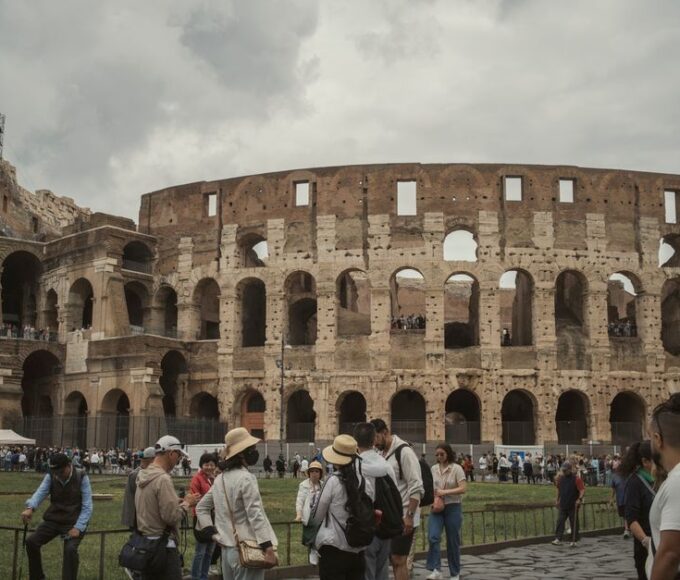
In Rome, entry to the Colosseum, Vatican Museums, and Borghese Gallery can quickly add up to over $100. Many cities offer city passes (e.g., Roma Pass) that bundle attractions and sometimes public transport, which can offer savings for heavy sightseers. Research these passes. Are you planning a specific cooking class in Italy, a tango lesson in Buenos Aires, or a Broadway show in New York? Factor in the specific costs of these experiences.
Free vs. Paid Activities
Balance paid activities with free ones. Walking tours (tip-based), exploring parks (Central Park in New York), or simply wandering charming neighborhoods can be just as enriching and cost nothing. Your travel budget spreadsheet should reflect a mix, allowing you to prioritize the paid experiences most important to you.
5. Miscellaneous & Contingency: The Unexpected
Every trip, especially solo, has its surprises. This category is your financial safety net.
Travel Insurance
Absolutely non-negotiable. Whether it’s a sprained ankle in the Andes, lost luggage on a flight across North America, or a sudden cancellation, travel insurance from reputable providers like World Nomads or SafetyWing can save you thousands. The cost is minor compared to the potential financial disaster of an uninsured emergency.
Create Memorable Vacations with Bookabach Holiday Home Rentals
Visa Fees and Exit Taxes
Some countries, particularly in South America, might require a visa for certain nationalities, and these come with fees. Always check current entry requirements well in advance. Some countries also have an exit tax payable upon departure, which can be unexpected if not budgeted for.
Shopping, Souvenirs, and Personal Items
Do you plan to buy gifts or a new outfit? Factor in a small allowance. Also, don’t forget personal items you might need to replenish, like toiletries or a new charging cable. Your contingency fund should ideally be 10-15% of your total estimated budget, covering anything from a forgotten umbrella to a last-minute train ticket.
FAQ: Answering Your Travel Budget Questions
What’s the best currency strategy for solo travelers in Europe?
For solo travelers in Europe, a combination strategy works best. Use a no-foreign-transaction-fee credit card (like Chase Sapphire Preferred or Capital One Venture) for larger purchases and ATMs (look for banks, not Euronet) for cash withdrawals. Always decline dynamic currency conversion (DCC) at point-of-sale to ensure the transaction is processed in the local currency (Euros), getting you a better exchange rate.
How much should a solo traveler budget for a week in Buenos Aires?
A solo traveler can budget roughly $600-$1000 USD for a week in Buenos Aires, excluding international flights. This generally covers mid-range hostel accommodation ($20-30/night), daily meals ($30-50/day), local transportation (subte/bus cards), and a few activities like a tango show or museum visits. Budget more for higher-end dining or private accommodation.
What are common hidden costs to look out for in New York City?
In New York City, watch out for high sales tax on almost everything, mandatory tipping (20%+ is standard for service industries), resort fees at hotels (even if you don’t use amenities), and inflated prices in tourist traps around Times Square. Public transport with a MetroCard is affordable, but taxi/rideshare costs can add up quickly.
Is travel insurance really necessary for a short solo trip to North America?
Yes, absolutely. Even for a short solo trip within North America (e.g., a Canadian visiting the US), travel insurance is crucial. Medical costs in the US, for example, can be astronomically high for non-residents. Insurance covers medical emergencies, trip cancellations, lost luggage, and other unforeseen events, providing essential peace of mind.
How can I track my spending effectively during my solo trip?
To track spending effectively, use a simple mobile app like Wallet by BudgetBakers, Spendee, or Tripcoin. Link it to your travel budget spreadsheet. Categorize every expense immediately after purchase. Alternatively, a small notebook and pen work just as well. Review your spending daily or every few days to stay on track and adjust if necessary.
Key Takeaways: Mastering Your Travel Budget Spreadsheet
Building a comprehensive travel budget spreadsheet isn’t just about crunching numbers; it’s about empowering your solo travel dreams with financial confidence. By meticulously planning before you book, you eliminate the stress of unexpected expenses and gain the freedom to truly enjoy your adventure.
Remember to categorize everything, from the big-ticket items like flights and accommodation to the smaller, daily expenses like food and local transport. Don’t forget to include a contingency fund for the unexpected – it’s your financial safety net when things don’t go exactly to plan.
Whether you’re exploring the ancient ruins of Europe, the vibrant markets of South America, or the iconic skyline of North America, a well-crafted travel budget spreadsheet is your most valuable planning tool. It allows you to make informed decisions, find opportunities for savings, and ultimately, embark on a more fulfilling and worry-free solo journey.
Ready to turn your travel dreams into concrete plans? Plan smarter trips with Le Daily Post for more essential travel advice and budgeting tips.