
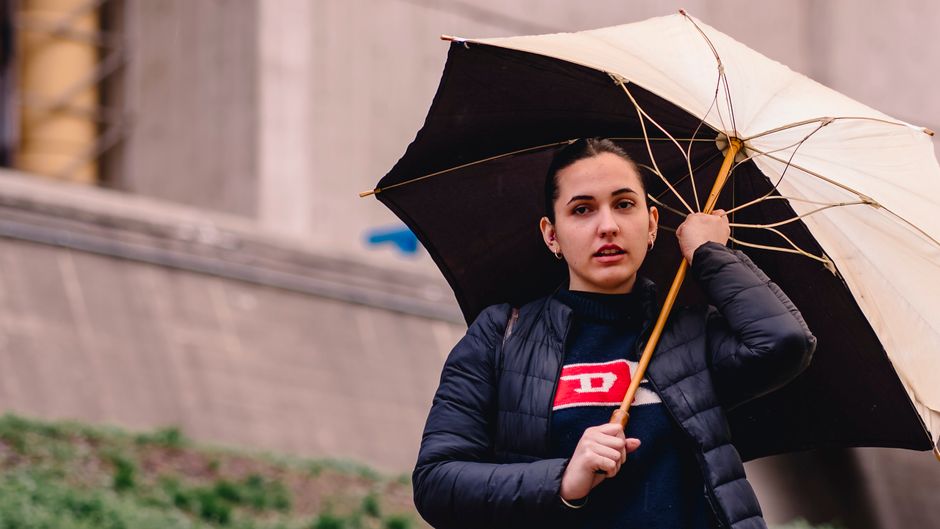
There’s a particular kind of fashion frustration that only city living in a climate with unpredictable weather can truly foster. Picture this: you’ve meticulously planned an outfit, perhaps for a client meeting in Manhattan, a gallery hop in Copenhagen, or an evening out in Toronto. You step outside, and the sky opens up. Suddenly, those perfectly polished leather loafers or suede ankle boots that completed your look are at risk, and the thought of soggy feet for the rest of the day looms large. It’s not just about comfort; it’s about protecting your investment and maintaining your style integrity.
We’ve all been there, caught unprepared, wishing we had some secret weapon against the elements. The good news is, navigating wet weather without sacrificing your footwear or your look isn’t an impossible feat. It requires a bit of foresight and knowing which strategies actually work.
The Ubiquitous Challenge: Rainy City Style Across Continents
From the narrow, cobblestone streets of European capitals to the expansive avenues of North American metropolises and the vibrant, often humid cities of South America, rain is a recurring character in our daily lives. Each region presents its own set of challenges and stylistic norms when it comes to dressing for wet weather. In New York, the sudden, heavy downpours can turn a short walk into an urban trek, demanding footwear that’s both stylish and truly impermeable. Copenhagen, with its bike-centric culture, requires nimble solutions that don’t hinder movement but still keep feet dry during a grey, misty commute. And in Toronto, where seasons can shift dramatically, the need for versatile rain protection is paramount.
A common mistake is assuming that any closed-toe shoe will suffice, or that a quick spray of a ‘waterproofing’ product will magically make your delicate materials invulnerable. In practice, genuine protection comes down to understanding materials, construction, and the practical application of treatments. It’s not about buying a new wardrobe specifically for rain; it’s about smart adaptations and knowing what actually helps when you need to dress for rain without ruining your shoes.
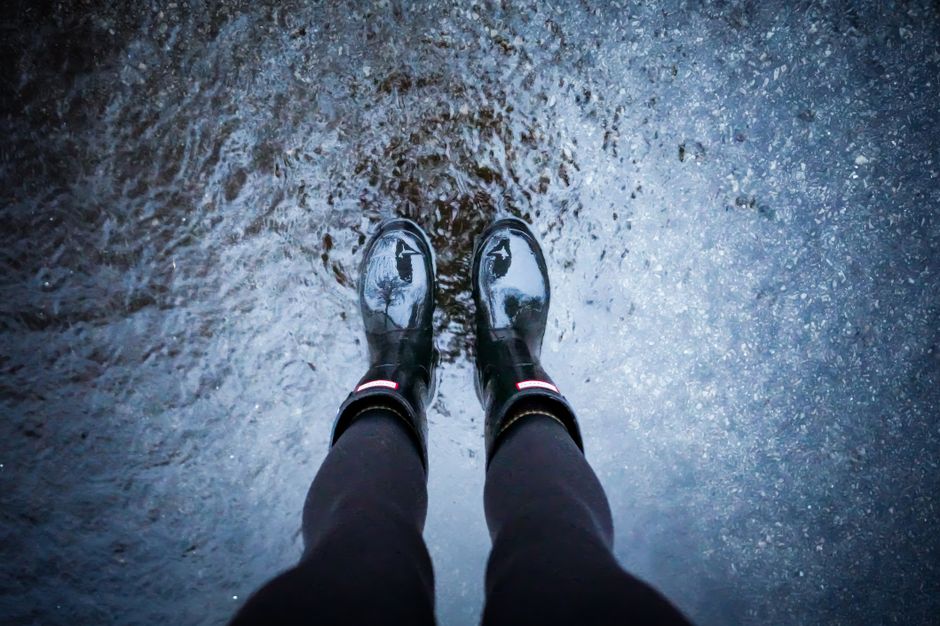
What Actually Helps When You Need to Dress for Rain Without Ruining Your Shoes: Practical Strategies
Protecting your footwear and maintaining your style in wet weather doesn’t have to be a compromise. Here are proven strategies:
-
Invest in Truly Waterproof Footwear
This is the most direct solution. Look for shoes explicitly labeled as waterproof, not just water-resistant. Materials like GORE-TEX membranes integrated into boots, sneakers, or even some dressier styles offer a breathable yet impermeable barrier. Brands like ECCO, Blundstone (especially their GORE-TEX models), and even certain Dr. Martens boots offer stylish options that stand up to serious rain. For lighter rain, a good quality leather boot with a sealed sole can often suffice, but for heavy downpours, GORE-TEX or rubberized options are superior.
-
Embrace Water-Resistant Materials
While not fully waterproof, certain materials offer excellent water resistance. Treated leather, synthetic blends, and rubber are your allies. Suede and nubuck are notoriously difficult to protect in heavy rain, so save those for dry days. When shopping, check product descriptions carefully. Many urban-focused brands like Hunter (for classic rain boots), Sorel (for winter-ready, but also rain-ready boots), and Veja (for some treated canvas sneakers) offer practical yet fashionable choices.
-
Pre-Treat and Re-Treat Regularly
For leather and fabric shoes that aren’t inherently waterproof, a good quality waterproofing spray is crucial. Brands like Nikwax or Reshoevn8r offer excellent products. Always apply to clean, dry shoes and allow ample time to dry, ideally overnight. This isn’t a one-and-done solution; re-apply every few weeks or after every few wears, especially if you’re frequently out in the rain. This creates a barrier that causes water to bead up and roll off, buying you precious time.
The Practical Guide to Accessories That Upgrade Simple Outfits
-
Consider Overshoes or Galoshes
For those moments when you absolutely must wear your favorite dress shoes or delicate loafers, overshoes (sometimes called galoshes) are a lifesaver. Brands like SWIMS offer sleek, low-profile designs that slip over your existing shoes, protecting them from splashes and puddles. They’re compact enough to stash in a bag and deploy when the skies open. This is particularly useful for professionals in cities like London or Paris where a formal shoe is often non-negotiable.
-
Prioritize Sole Protection
The sole of your shoe is just as important as the upper. Look for shoes with substantial rubber soles or, for leather soles, consider having a cobbler add a thin rubber protective layer. This not only provides better grip on slick surfaces but also prevents water from seeping through the sole stitching and soaking your socks from below. This is especially relevant in older European cities where cobblestones can hide deceptively deep puddles.
-
Carry a Smart Emergency Kit
A small, foldable umbrella is a given, but also consider a compact, reusable shoe cover in your bag, particularly if your commute involves unpredictable weather. For sudden downpours, a pair of spare socks can prevent prolonged discomfort and potential foot issues. And if your shoes do get wet, stuff them with newspaper immediately upon returning home to absorb moisture and help maintain their shape.
Comparing Common Rainy Day Footwear Options
Choosing the right footwear involves balancing style, protection, and practicality. Here’s a quick comparison:
| Footwear Type | Pros | Cons | Best Use Case |
|---|---|---|---|
| Classic Rubber Rain Boots (e.g., Hunter) | 100% waterproof, excellent puddle protection, easy to clean. | Can be bulky, less breathable, not always office-appropriate. | Heavy rain, casual outings, commuting in truly wet conditions. |
| Waterproof Boots (e.g., GORE-TEX models from Blundstone, ECCO) | Fully waterproof, often breathable, stylish for city wear, versatile. | Higher price point, can be warmer in mild rain, may still require care for upper material. | Everyday wear in variable rain, urban exploration, smart-casual office. |
| Treated Leather Boots (e.g., some Dr. Martens, high-quality Chelsea boots) | Water-resistant (with treatment), stylish, durable, versatile for smart-casual. | Not fully waterproof for heavy rain/puddles, requires regular re-treatment. | Light to moderate rain, professional settings where full rubber is too casual. |
| Waterproof Sneakers (e.g., some Nike, Adidas GORE-TEX models) | Comfortable, athletic style, good for walking/cycling, lightweight. | Can look too casual for some professional settings, often less ankle coverage. | Active commutes (e.g., cycling in Copenhagen), casual wear, light rain protection. |
| Overshoes/Galoshes (e.g., SWIMS) | Protect existing dress shoes, compact to carry, stylish options available. | An extra step to put on/take off, won’t protect ankles, requires remembering to carry. | Preserving formal or delicate shoes in unexpected rain, business meetings. |
Common Mistakes to Avoid When Dressing for Rain
Even with good intentions, some common pitfalls can still lead to wet feet and ruined shoes. Being aware of these can save you a lot of hassle and expense.
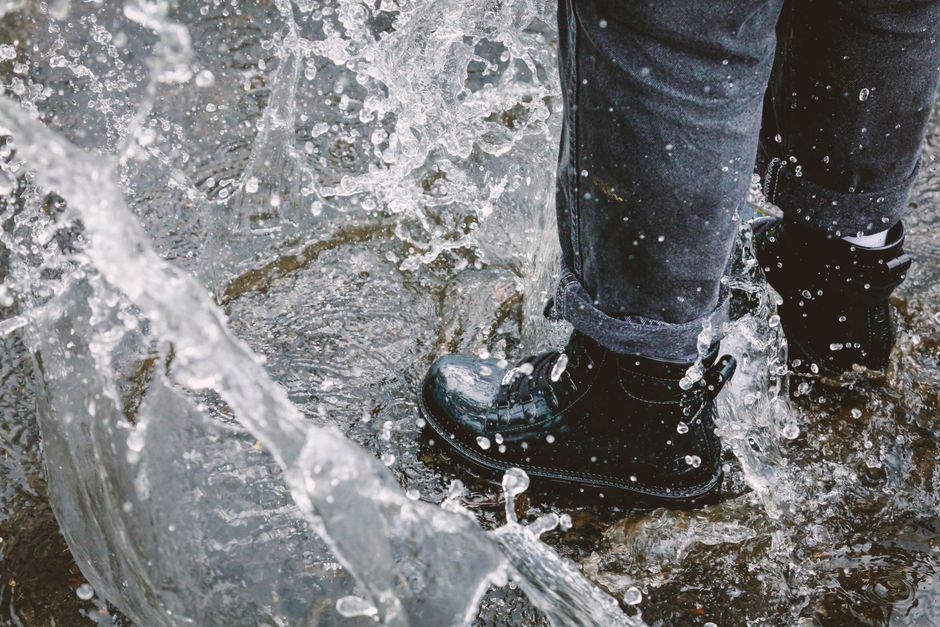
A primary error is confusing ‘water-resistant’ with ‘waterproof.’ Many fashion boots or sneakers are marketed as water-resistant, which means they can handle a light drizzle for a short period. However, they will fail miserably in a downpour or when encountering deep puddles. For genuine protection, especially in cities like Seattle or Vancouver where rain is a constant companion, always opt for explicitly waterproof options.
Another frequent mistake is neglecting the sole. Even if the upper of your shoe is waterproof, a poorly constructed or unsealed sole can allow water to seep in from below. This is particularly true for many fashion boots with stitched leather soles that haven’t been adequately sealed. Always check the sole construction and consider a rubber over-sole from a cobbler for added protection and grip.
A Capsule Wardrobe for Changing Weather Across Europe and North America
Underestimating the need for consistent re-treatment is also common. Waterproofing sprays and waxes wear off over time, especially with exposure to the elements and friction. Assuming one application will last indefinitely is a recipe for disaster. Make re-treating a part of your seasonal shoe care routine, just like cleaning and polishing.
Finally, choosing the wrong material for the conditions is a big one. Suede and nubuck, while stylish, are incredibly delicate in the rain and almost impossible to fully protect without altering their look and feel. Save these for genuinely dry days. Similarly, canvas shoes, unless specifically treated with a solid waterproofing membrane, will offer minimal protection and can quickly become saturated.
FAQ: Dressing for Rain and Shoe Protection
What’s the best way to clean mud off waterproof boots?
For most waterproof boots, especially rubber or GORE-TEX models, simply rinse off mud with cool water immediately after use. Use a soft brush or cloth for stubborn dirt. Avoid hot water, harsh chemicals, or abrasive scrubbing, which can damage waterproofing membranes or finishes. Allow them to air dry completely, away from direct heat.
Can I make my regular leather shoes waterproof?
You can make regular leather shoes highly water-resistant, but rarely fully waterproof, especially against deep puddles. Use a quality leather waterproofing spray or wax specifically designed for the leather type. Apply several thin coats to clean, dry shoes, paying attention to seams and edges. Reapply regularly, as this treatment will wear off over time and exposure.
Are ‘water-resistant’ sneakers good enough for city rain?
‘Water-resistant’ sneakers are generally suitable for light drizzle or quick dashes between covered areas. However, for continuous rain, moderate downpours, or walking through puddles, they will likely soak through. For true protection in cities with frequent or heavy rain, opt for sneakers explicitly labeled as ‘waterproof’ with technologies like GORE-TEX.
How do I protect my shoes from salt stains in winter rain/snow?
Salt stains, common in North American winters like in Toronto or New York, are corrosive. Pre-treat your boots with a waterproof barrier spray or wax. If stains occur, immediately clean them with a mixture of equal parts white vinegar and water, gently dabbing with a cloth. For leather, follow up with a leather conditioner to rehydrate and protect.
What’s the difference between a waterproofing spray and a waterproofing wax?
Waterproofing sprays typically create a breathable, invisible barrier on the shoe’s surface, best for fabrics, suede, and sometimes smooth leather. Waxes, on the other hand, are thicker and create a more solid, often visible, barrier on smooth leather. Waxes offer superior protection for heavy-duty boots but can alter the appearance of finer leathers. Sprays are generally easier to apply and maintain breathability.
Navigating urban landscapes like New York, Copenhagen, or Toronto in the rain doesn’t have to mean sacrificing your style or the longevity of your footwear. By making informed choices about materials, applying effective treatments, and having a few clever accessories on hand, you can confidently stride through wet weather. For more practical style guides and tips, explore more practical style guides on Le Daily Post.