
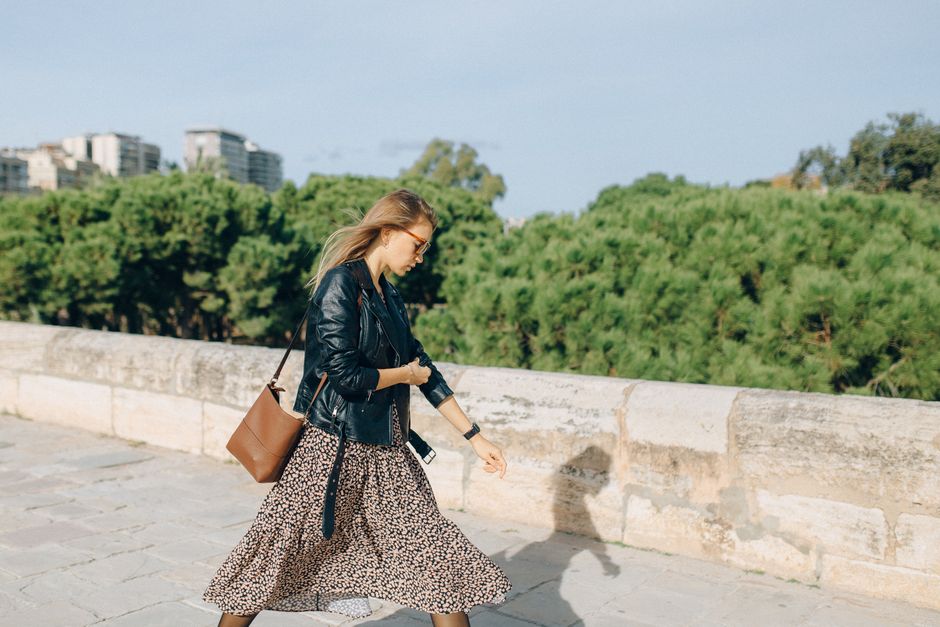
For city travel, the best bags strike a balance between security, practicality, and style. Crossbody bags with anti-theft features are ideal for essentials like passports, cash, and phones, offering quick access and keeping items close to your body. Small backpacks or sling bags can supplement for larger items, providing comfort for longer excursions. Avoid oversized totes or open-top bags that are easy targets for pickpockets, especially in crowded tourist areas in Europe or South America. Focus on durable, lightweight materials and thoughtful compartments for a stress-free experience, whether you’re navigating Toronto’s Kensington Market or Milan’s Duomo square.
Picture this: You’re finally in Rome, standing by the Colosseum, ready to soak it all in. But instead of enjoying the moment, you’re constantly patting your pockets, checking if your wallet is still there, or struggling to pull out your map from a cavernous tote bag. We’ve all been there – a travel bag that’s either too big, too small, or simply not designed for the realities of urban exploration.
The right bag isn’t just about carrying your stuff; it’s about peace of mind, ease of movement, and even projecting a certain style that fits the locale. From the bustling avenues of New York to the historic lanes of Cusco, your choice of carry-all can make or break your day.
This isn’t about expensive designer labels, but about smart choices that prioritize security and functionality without sacrificing your aesthetic. We’re talking practical solutions for the budget-aware traveler who wants to look good and feel safe.
Understanding the Urban Jungle: What Your Bag Needs to Handle
City travel isn’t like a resort vacation where your biggest concern is finding a good beach read. Urban environments, particularly popular tourist destinations across Europe, North America, and South America, present unique challenges. You’ll encounter crowded public transport, busy markets, and long walking days. This means your bag needs to be resilient, comfortable, and, crucially, secure.
Consider the varying climates and cultural norms. A sleek leather crossbody might be perfect for a chic evening out in Milan, but less practical for a rainy day exploring the street art of Toronto’s Graffiti Alley. Security is paramount; pickpocketing is a known issue in many major cities worldwide, from Barcelona to Buenos Aires. So, beyond just looks, your bag needs to offer practical defenses against opportunistic theft, without making you look like you’re carrying a vault.
Bags for City Travel: The Fashion Shortlist — Smart Choices for Urban Explorers
When it comes to selecting the best bags for city travel, it’s about making deliberate choices that enhance your experience rather than hinder it. Here’s a breakdown of smart options:
1. The Anti-Theft Crossbody Bag: Your Primary Go-To
For most essential items like your passport, phone, credit cards, and a bit of cash, a well-designed anti-theft crossbody bag is indispensable. Brands like Pacsafe and Travelon specialize in these, offering features such as slash-proof materials, lockable zippers, and RFID-blocking pockets. The beauty of a crossbody is that it keeps your valuables in front of you, making it difficult for pickpockets to access without your notice. Look for a size that fits comfortably under a jacket if needed, particularly in colder climates or areas where you want an extra layer of discretion.
Affordable Workwear That Looks Premium: A Global Style Guide
2. The Lightweight Daypack: For Excursions and Extras
When you need to carry a water bottle, a light jacket, a guide book, or snacks for a day trip, a small, lightweight backpack is a great secondary option. Opt for models with internal organization pockets and ideally, a hidden back pocket for quick-access items. Brands like Osprey and Deuter offer excellent compact daypacks that are comfortable for long wear. For added security, choose one with double zippers that can be locked together with a small padlock. In places like New York City, where you might walk miles between attractions, ergonomic design makes a huge difference.
3. The Sling Bag: A Stylish, Secure Alternative
A sling bag offers a compromise between a crossbody and a backpack. Worn across the chest or back, it provides easy access while keeping your hands free. Many modern sling bags come with anti-theft features similar to their crossbody counterparts. They’re often more compact than a daypack but can still hold essentials plus a small camera or a water bottle. This style works particularly well for navigating bustling markets in places like Santiago or exploring the museums of Toronto.
4. The Convertible Bag: Versatility is Key
Some bags can transform from a backpack to a shoulder bag or even a tote. These offer excellent flexibility, allowing you to adapt to different situations throughout your day. For instance, a convertible bag might function as a backpack for sightseeing and then transition to a more elegant shoulder bag for an evening meal in Milan. Brands like Lo & Sons or Beis offer stylish, functional options that adapt to your itinerary.
5. The Packable Tote: For Shopping and Souvenirs
While not for valuables, a lightweight, packable tote is a lifesaver for unexpected shopping trips or carrying extra layers. It folds down small in your main bag and can be deployed when you’ve bought souvenirs or groceries. This prevents you from needing to carry a large, empty bag all day. Just remember to keep your actual valuables in your secure crossbody or anti-theft bag.
6. The Anti-Theft Waist Pack (Fanny Pack): Reimagined for Modern Travel
Forget the 80s stigma; modern waist packs are sleek, secure, and incredibly practical. Worn under a shirt or over, they keep your most critical items exceptionally close to your body. Look for flat designs that don’t add bulk. This option is especially good for situations where you want minimal carry, like a quick walk around the block or a short metro ride. High-end brands like Bellroy offer sophisticated versions that are far from their retro predecessors.
Comparing Popular City Travel Bag Types
Understanding the strengths and weaknesses of different bag types helps you choose what’s best for your specific trip, whether you’re navigating the old world charm of Europe or the vibrant energy of South America.
| Bag Type | Pros | Cons | Best Use Case |
|---|---|---|---|
| Anti-Theft Crossbody | Highly secure (slash-proof, RFID), keeps essentials close, hands-free. | Limited capacity, can feel heavy with too many items. | Daily essentials, passport, wallet, phone; primary security. |
| Small Daypack | Comfortable for longer wear, good capacity for extras (water, jacket). | Less secure than crossbody (easier to access), can be bulky indoors. | Day trips, carrying layers, snacks, guidebooks. |
| Sling Bag | Stylish, easy access, better capacity than crossbody, hands-free. | Can be less secure than a true anti-theft crossbody if not designed well. | Mid-sized essentials, small camera, water bottle; quick outings. |
| Convertible Bag | Highly versatile, adapts to different needs. | Can be heavier due to multiple features, may be more expensive. | Flexible itineraries, blending into different situations (day/night). |
| Packable Tote | Lightweight, expands for shopping, folds small when not in use. | No security features, not for valuables. | Shopping, carrying souvenirs, extra clothing layers. |
Common Mistakes to Avoid with Your Travel Bag
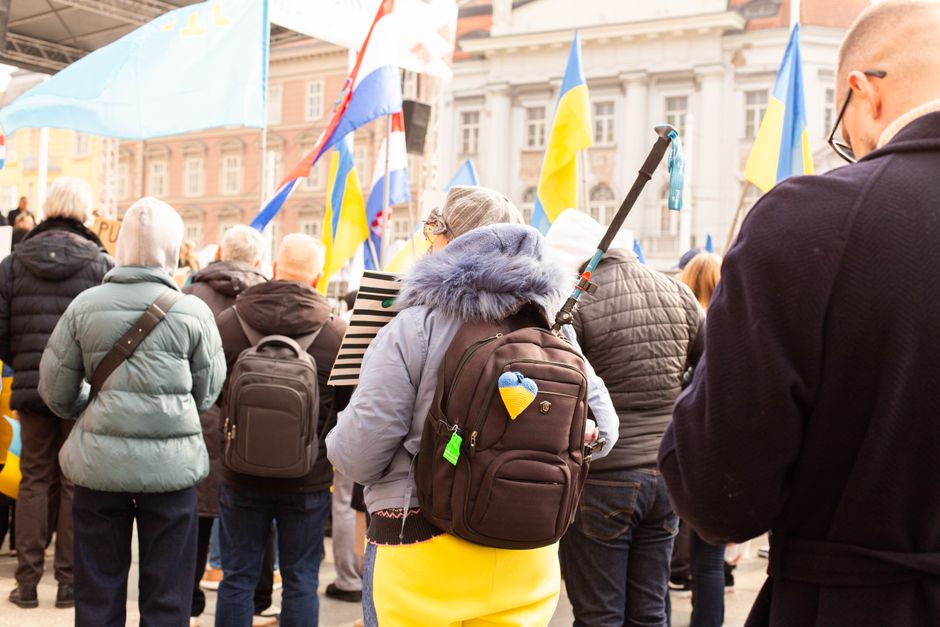
Even with the best intentions, travelers often make simple errors that can compromise their security or comfort. A common mistake is using a regular, open-top tote bag as your primary daily carry. While fashionable, these offer minimal security, especially in crowded tourist areas like the Spanish Steps in Rome or the bustling markets of Buenos Aires. An open bag is an invitation for opportunistic theft.
Don’t Be ‘That Tourist’: Common Fashion Mistakes Travelers Make in Walkable Cities
Another pitfall is overpacking your bag, especially a crossbody. Cramming too many items makes it heavy, uncomfortable, and difficult to quickly access what you need. It also strains the bag’s zippers and straps, increasing the risk of breakage. Remember, for daily city exploration, less is often more. Focus on the absolute essentials and leave bulky items at your accommodation.
Ignoring the local context is also a mistake. In cities with a higher prevalence of petty crime, such as certain areas of Rio de Janeiro or even popular spots in Paris, choosing a bag with obvious branding or an ostentatious design can draw unwanted attention. Opt for understated, functional bags that blend in rather than stand out. Subtle security features are far more effective than flashy ones.
Finally, forgetting about weather protection can lead to ruined electronics or soggy documents. If you’re visiting a city known for its unpredictable weather, like Toronto in spring or London year-round, ensure your bag is made of water-resistant material or carry a compact rain cover. This small detail can save you a lot of hassle and expense.
FAQ: Answering Your City Travel Bag Questions
What type of bag is best for walking around a city all day?
For extensive walking, a comfortable small backpack or a well-balanced sling bag is ideal. Look for padded straps and breathable back panels. A crossbody bag can work for essentials, but for carrying water, a jacket, and other daily items, a backpack distributes weight better, preventing shoulder strain.
Are anti-theft bags worth it for city travel?
Absolutely. Anti-theft bags, with features like slash-resistant fabric, lockable zippers, and RFID-blocking pockets, provide significant peace of mind. They act as a deterrent and make it harder for pickpockets to access your valuables, especially in crowded tourist hotspots across Europe and South America.
Should I bring a separate bag for evenings out in a city?
It’s often a good idea to bring a small, stylish clutch or a very compact crossbody for evenings. This allows you to leave your larger, more functional day bag at your accommodation and carry just the essentials for dinner or an event, enhancing your evening attire without compromising security.
What should I avoid carrying in my bag when traveling in a city?
Avoid carrying all your cash, all your credit cards, and your passport in a single bag. Distribute these items across multiple secure locations on your person or keep backups in your accommodation safe. Also, don’t carry any item you wouldn’t be devastated to lose, especially in easily accessible outer pockets.
How important is bag material for city travel?
Bag material is very important. Look for durable, lightweight, and ideally water-resistant fabrics like treated nylon, polyester, or certain types of canvas. These materials can withstand daily wear and tear, protect your belongings from light rain, and are generally easier to clean than leather or heavy cotton.
Choosing the right bags for city travel, like navigating Toronto’s vibrant neighborhoods or exploring the historic sites of Milan, means prioritizing security, comfort, and practicality. With these considerations in mind, you can confidently explore any urban landscape without worrying about your essentials. Explore more practical style guides and travel tips on Le Daily Post.