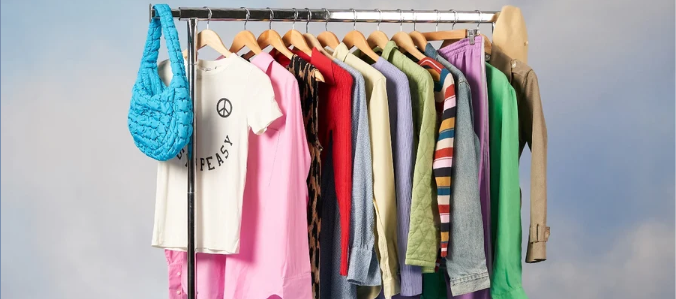

To make old clothes feel current again, avoid the common mistake of treating them as disposable or out-of-style. Instead, focus on re-evaluation, strategic tailoring, smart layering, and mixing high-low pieces. By understanding fit, fabric, and how current trends can subtly update classics, you can breathe new life into your existing wardrobe, reducing waste and developing a more versatile, personal style. This approach is not just about saving money; it’s about conscious consumption and creative expression, ensuring your clothes truly reflect who you are today.
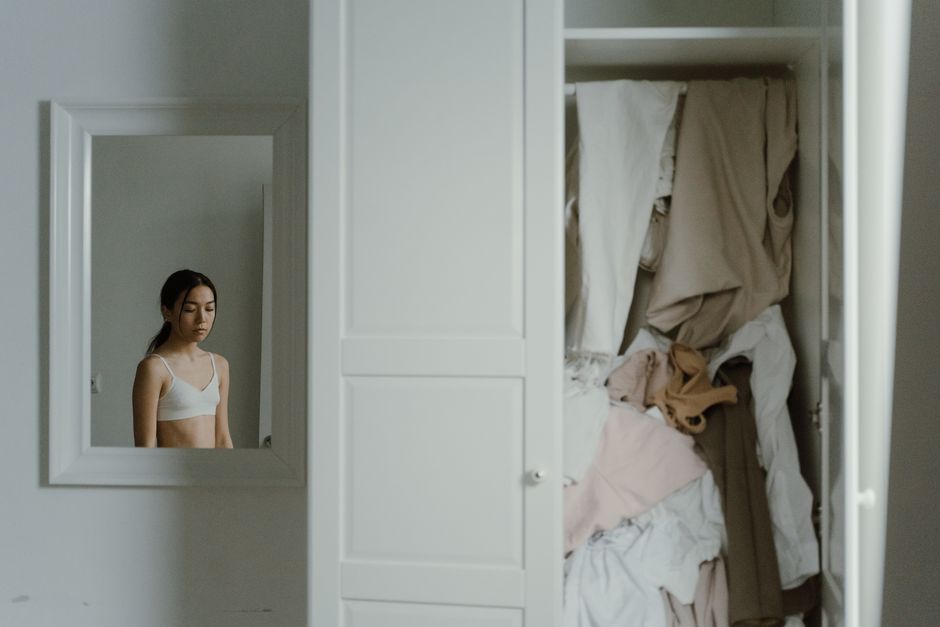
We’ve all stared into a packed closet, feeling that familiar pang of “nothing to wear,” even when surrounded by perfectly good garments. It’s a common experience, whether you’re planning an itinerary through Europe or packing for a business trip across North America. The truth is, many of us fall into similar traps when it comes to our existing wardrobes, often dismissing clothes as ‘old’ or ‘outdated’ instead of seeing their potential.
The fast fashion cycle doesn’t help. It constantly pushes new trends, making us feel like last season’s items are somehow irrelevant. But what if the key to a fresh, exciting wardrobe isn’t buying more, but simply learning how to make old clothes feel current again? It’s a more sustainable, economical, and ultimately more personal approach to style. This isn’t about grand overhauls; it’s about smart adjustments and a shift in perspective that can revitalize your entire closet.
The real secret to refreshing old clothes style lies not in chasing every fleeting trend, but in understanding foundational principles of fit, proportion, and how to inject modern elements thoughtfully. It means looking at that well-loved blazer or those comfortable trousers with new eyes.
Quick Habits for a Fresher Wardrobe
- Re-evaluate Fit Regularly: Bodies change. A simple hem or taking in a waist can transform a garment.
- Master Layering: It’s a stylist’s secret weapon, adding depth and modernity to older pieces.
- Invest in Accessories: Belts, scarves, and jewelry can drastically alter the vibe of an outfit.
- Mix High-Low: Pair a vintage find with a modern staple for an effortlessly chic look.
- Rotate and Reorganize: Seeing your clothes in a new light can spark fresh ideas.
- Care for Your Clothes: Proper washing and storage extend life and maintain appearance.
- Experiment with New Combinations: Try pairing items you’ve never worn together before.
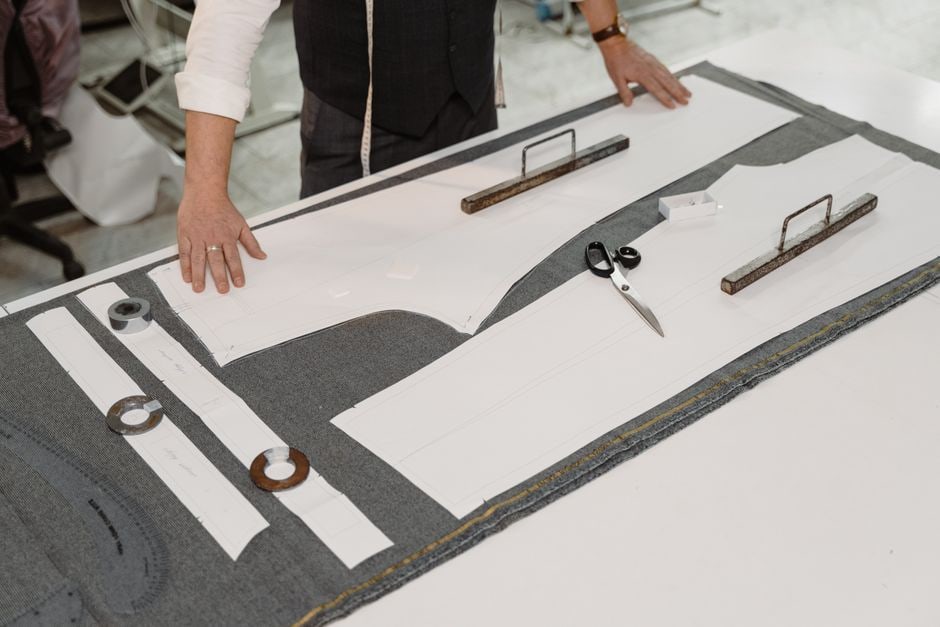
- Embrace Tailoring: A good tailor is your best friend for making clothes look bespoke.
The Pitfalls of a Discard Mentality
One of the biggest mistakes we make is adopting a “discard and replace” mentality. We see a slightly faded t-shirt or a dress from five years ago and immediately label it as ‘done.’ This habit is not only expensive but also environmentally unsound. Imagine the landfills near major fashion hubs like Milan or New York, brimming with perfectly salvageable garments. The assumption that something is ‘old’ inherently makes it ‘bad’ is a consumerist trap.
Why We Rush to Discard
Often, it stems from a lack of creativity or inspiration. We’ve worn an item the same way for years and can’t envision another approach. Social media, while inspiring, can also contribute to this, constantly showcasing newness. But remember, true style often comes from repurposing and personalizing. Think about the enduring appeal of vintage markets in places like Buenos Aires or London; those garments aren’t new, but they are incredibly stylish because someone has given them a new context.
Breaking the Cycle
Instead of discarding, pause. Ask yourself: Is it truly beyond repair? Is the fabric still good? Could a small alteration or a new styling approach completely transform it? Often, the answer is yes. This shift in mindset is the first, crucial step to make old clothes feel current again.
Strategic Tailoring: The Unsung Hero of Style
If there’s one secret weapon professional stylists swear by, it’s tailoring. An item might be a beautiful fabric, but if the fit is off, it will never look truly chic. A perfectly tailored garment, even if it’s been in your closet for a decade, will always outshine a brand-new, ill-fitting piece. This is particularly true for items like blazers, trousers, and dresses.
Sustainable Swimwear Trends for European and American Summer Travel
Common Tailoring Fixes That Make a Huge Difference
- Hemming: The difference a proper hem makes to trousers or a dress is astonishing. Too long, and it looks sloppy; too short, and it can look cheap. A tailor can get it just right for your shoe choices.
- Waist Adjustments: Trousers or skirts that gape at the waist are uncomfortable and unflattering. Taking them in can create a streamlined silhouette.
- Sleeve Length: Especially for blazers and shirts, sleeve length is critical. Sleeves that are too long can make you look swallowed by your clothes.
- Taking In/Letting Out Seams: For a more custom fit on dresses, jackets, or shirts, a tailor can adjust seams to better hug your body without being restrictive.
Think of it this way: for the cost of a couple of fast-fashion items, you can transform several existing pieces into bespoke-looking garments. This investment truly pays off, particularly for frequent travelers who need versatile, well-fitting pieces that look polished in any city, from Toronto to Milan.
Accessorizing Smartly: The Power of the Small Details
Accessories are the fastest, most effective way to refresh old clothes style without actually changing the clothes themselves. They are conversational pieces that can instantly update an outfit, add a pop of color, or shift the entire aesthetic from casual to formal, or vice versa. The mistake here is often underestimating their power or, conversely, overdoing it.
Key Accessories to Revitalize Your Wardrobe
- Belts: A wide belt over an old oversized blazer, or a sleek skinny belt cinching a shapeless dress, can redefine your silhouette.
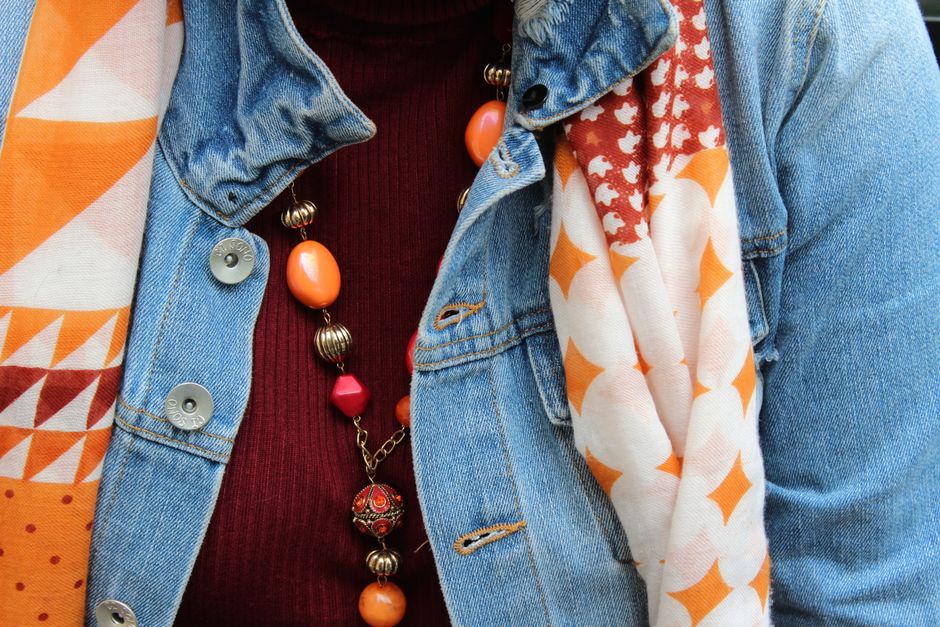
- Scarves: From a vibrant silk scarf tied around your neck in Paris to a chunky knit for a chilly day in New York, scarves offer endless versatility. Wear them in your hair, on your bag, or as a top.
- Jewelry: Bold earrings can transform a simple white shirt. Layered necklaces can add depth to a plain sweater.
- Footwear: Swapping out old sneakers for a pair of stylish loafers, or basic flats for statement heels, completely changes an outfit’s feel.
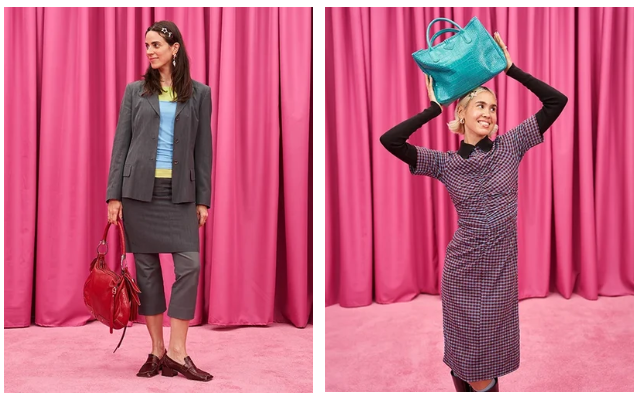
- Bags: Your handbag can be a major style statement. A structured bag can improve a casual look, while a bohemian tote can soften a more tailored ensemble.
The trick is to think about how an accessory can complement or contrast with the existing piece to create a new narrative. Don’t be afraid to experiment! That old denim jacket might look completely different with a patterned scarf tied neatly around its collar, or with a statement brooch.
Layering and Mixing Textures: Adding Depth and Interest
Layering isn’t just for warmth; it’s a fundamental styling technique to make old clothes feel current again. It adds depth, complexity, and a sense of effortlessness to an outfit. The mistake here is often sticking to basic, predictable layering, or not considering how different textures interact.
Effective Layering Strategies
- Underneath: A simple long-sleeve tee under a slip dress, or a crisp button-down under a sweater.
- Over the Top: Throw a denim jacket over a floral dress, or a structured blazer over a band tee.
- Midi Over Maxi: A shorter skirt or dress over longer, slimmer trousers. (A more advanced technique, but very effective.)
Playing with Textures
Mixing textures prevents an outfit from looking flat. Pair a chunky knit sweater with sleek leather trousers, or a silky camisole with a tweed blazer. This contrast creates visual interest and makes even the simplest outfits look more considered. Think about the rich textures you see in traditional clothing markets across South America – the woven patterns, the soft cottons, the sturdy denims. These aren’t just practical; they’re aesthetic.
Seasonal Adaptation and Color Play: Small Changes, Big Impact
The final crucial element in refreshing your old clothes style is understanding how to adapt pieces seasonally and incorporate modern color palettes. A garment doesn’t become ‘outdated’ just because the season changes; its styling might need an update.
Seasonal Adaptations
- Summer to Fall: That lightweight summer dress can transition into fall with ankle boots, a denim jacket, and a chunky knit cardigan.
- Winter to Spring: Your favorite heavy wool coat can be lightened up with pastel accessories and brighter undershirts as the weather warms.
- Layering for Temperature Fluctuations: This is especially vital for travelers who might experience varied climates within a single trip, like going from the humid heat of Rio de Janeiro to the cooler evenings of Patagonia.
Integrating Modern Color Palettes
Trends often manifest most noticeably in color. You don’t need to buy a whole new wardrobe in the ‘color of the year.’ Instead, use accessories, scarves, or a single statement top in a current shade to update existing neutral pieces. A classic navy blazer worn with a top in a trending vibrant green or a soft lavender can feel incredibly fresh. This subtle integration prevents your wardrobe from feeling entirely out of step without requiring a complete overhaul.
AI Styling Apps: Can They Build Better Outfits Than a Personal Shopper?
FAQ: Refresh Old Clothes Style
What should readers know about refresh old clothes style?
Refreshing old clothes style is about thoughtful reuse and creative styling, not just buying new items. It involves understanding fit, strategic accessorizing, smart layering, and a willingness to experiment. The goal is to make your existing wardrobe feel new and aligned with your current personal style, reducing waste and fostering individuality.
Can old clothes truly look modern again?
Absolutely. By focusing on tailoring to ensure a perfect fit, incorporating modern accessories like belts or statement jewelry, and experimenting with current layering techniques, old clothes can look incredibly modern. The key is to see them as canvases for new styling ideas, rather than fixed, outdated garments.
How can I refresh old clothes style without spending a lot of money?
The most cost-effective methods include DIY alterations (hemming, sewing on new buttons), swapping items with friends, and maximizing accessories you already own. Focus on creative combinations and layering. A good tailor is an investment, but it’s often cheaper than buying new garments that don’t fit as well.
What are some common mistakes to avoid when trying to update old clothing?
Avoid trying too hard to force a trendy look onto an ill-fitting or poor-quality garment. Don’t underestimate the power of basic maintenance like ironing and stain removal. Also, steer clear of overwhelming an outfit with too many competing accessories; often, less is more for a polished, current look.
What’s the role of personal style when trying to make old clothes feel current again?
Personal style is paramount. Instead of blindly following trends, identify what makes you feel confident and comfortable. Use trends as inspiration, filtering them through your unique aesthetic. This approach ensures that refreshed pieces feel authentic to you, making your old clothes truly current in a way that reflects your individuality.
Key Takeaways for a Revitalized Wardrobe
The journey to make old clothes feel current again isn’t about magic; it’s about mindful habits and a fresh perspective. We’ve explored the common pitfalls – the discard mentality, overlooking tailoring, underestimating accessories – and offered concrete strategies to overcome them.
Remember, your wardrobe is a resource, not a revolving door. By embracing smart tailoring, experimenting with accessories, mastering layering, and adapting to seasonal shifts, you’ll discover endless possibilities within your existing closet. This not only saves money and promotes sustainability but also cultivates a truly unique and authentic personal style that travels well, from the bustling streets of New York to the chic cafes of Milan, or the vibrant markets of Toronto.
Ultimately, to refresh old clothes style means investing in yourself and your creativity. It’s about building a versatile, enduring wardrobe that tells your story. Explore more practical style guides on Le Daily Post.