


To create a practical moving checklist for city apartments, focus on decluttering early, gathering necessary supplies like sturdy boxes and moving blankets, booking movers or a rental van well in advance (especially for peak times in places like London or Toronto), and clearly labeling everything. For places like Mexico City, factor in potential traffic and accessibility challenges. Prioritize essential items for immediate access, and remember to update your address and utility accounts to ensure a smooth transition.
So, you’re staring at your apartment, surrounded by a lifetime of acquisitions, and the moving date is looming. The sheer volume of “stuff” can be paralyzing, especially when you’re dealing with the often-compact living spaces of a city apartment. It’s not just about packing boxes; it’s about navigating narrow stairwells, booking elevators, and coordinating logistics in bustling urban environments like Toronto, London, or even the sprawling metropolis of Mexico City. A casual approach simply won’t cut it when you’re trying to relocate efficiently without losing your sanity (or your security deposit).
A common mistake is underestimating the time and effort required, particularly for students or young workers often juggling demanding schedules. You might think a weekend is enough, but in reality, a practical moving checklist for city apartments needs to account for the unique urban challenges: limited parking, noise restrictions, elevator bookings, and the general density that defines city living. This guide will walk you through a realistic, actionable plan designed to minimize stress and maximize efficiency, ensuring your next move is as smooth as possible.

Getting Started: Your City Apartment Moving Checklist at a Glance
Before diving into the nitty-gritty, here’s a quick overview of the essential steps. Think of this as your mental map for the journey ahead.
- Start Early: Begin decluttering and planning at least 6-8 weeks out.
- Budget Wisely: Account for moving costs, supplies, and potential professional help.
- Inventory & Declutter: Decide what goes, what stays, and what gets donated or sold.
- Gather Supplies: Boxes, tape, bubble wrap, markers, and packing paper are non-negotiable.
- Book Logistics: Secure movers, elevator times, and parking permits well in advance.
- Pack Strategically: Label meticulously and pack essentials separately.
- Update Admin: Change your address, transfer utilities, and update subscriptions.
- Clean Thoroughly: Prepare your old place for handover to get that deposit back.
Phase 1: The Pre-Move Prep – Six Weeks Out
The success of any city apartment move hinges on early preparation. This isn’t just about getting a head start; it’s about giving yourself breathing room to handle the inevitable curveballs that urban relocation throws at you.
Decluttering Like a Pro: Less is More in City Living
This is arguably the most critical step. Every item you move costs time, energy, and potentially money (if you’re paying by weight or volume). Go through every closet, drawer, and storage bin. Ask yourself:
- Have I used this in the last year?
- Does it bring me joy or serve a practical purpose?
- Is it easily replaceable if I truly miss it later?
For clothes, consider donating to local charities or selling on apps like Vinted (popular in Europe) or Poshmark (North America). For electronics, check for recycling programs. Furniture that won’t fit or isn’t worth moving can be sold on Facebook Marketplace or Gumtree (UK). For students in places like Toronto, consider selling textbooks back to the university bookstore or online. Less clutter means fewer boxes and a much easier load-in for your new, potentially smaller, city space.
Budgeting for Urban Realities: Beyond the Box Price
Moving costs can add up quickly. Factor in:
- Professional Movers: Essential for heavy items, especially in buildings without proper loading docks. Get multiple quotes. Remember that peak moving times (end of month, summer) will be more expensive in cities like London.
- Packing Supplies: Boxes, tape, bubble wrap, mattress covers. Don’t skimp; damaged items are more costly. U-Haul in North America or Argos in the UK offer decent moving packs.
- Rental Van: If you’re doing it yourself, factor in gas, insurance, and parking tickets (a real risk in tight city streets).
- Deposits & Fees: New apartment security deposits, utility setup fees, elevator booking fees (some buildings charge this).
- Time Off Work: If you need to take unpaid leave, factor that into your budget.
Phase 2: Gathering Your Arsenal – Four Weeks Out
With decluttering underway, it’s time to gather the practical tools for your move. This phase focuses on logistics and securing the right help.
Securing Movers and Making Reservations
Do not wait until the last minute, especially if you’re moving mid-month or on a weekend. Professional movers book up fast in high-demand cities. Get at least three quotes, check reviews, and ensure they are insured. If you’re in a building that requires elevator reservations, book your slot now. Some buildings in Mexico City, for example, have strict time windows for moving to minimize disruption.
Practical Self-Care That Does Not Require a Perfect Schedule
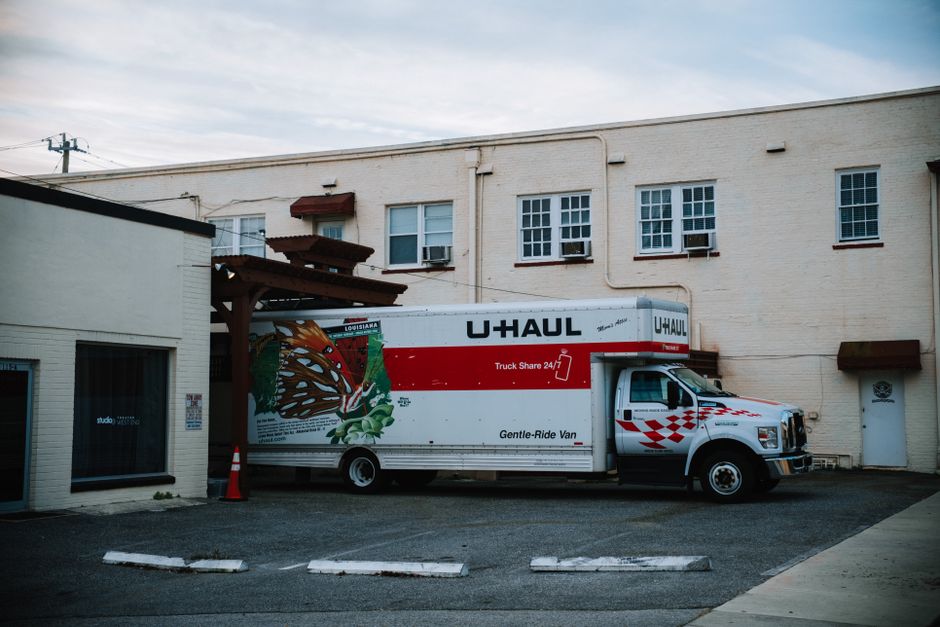
If you’re self-moving, reserve your rental truck. Consider the size carefully – a larger truck might be harder to park, but multiple trips in dense traffic (e.g., downtown Toronto) will waste valuable time and fuel.
The Essential Packing Supply List
Don’t underestimate the power of good supplies. You’ll need:
- Sturdy Boxes: Various sizes. Wardrobe boxes are a lifesaver for clothes.
- Packing Tape & Dispenser: Buy more than you think you need.
- Bubble Wrap & Packing Paper: Protect your fragile items.
- Markers: Different colors for different rooms, and bold enough to read clearly.
- Labels: Pre-printed or self-made for quick identification.
- Moving Blankets/Furniture Pads: Protect furniture from scratches.
- Tool Kit: For disassembling/reassembling furniture (Allen wrenches, screwdrivers).
- Trash Bags: For last-minute discards and cleaning.
For Europe, stores like IKEA or B&Q offer good options. In South America, large hardware stores or even specific moving supply shops will carry these items.
Phase 3: The Packing Blitz – Two Weeks Out
This is where the rubber meets the road. Strategic packing makes unpacking infinitely easier.
The Art of Labeling: Your Future Self Will Thank You
Label every single box with:
- Room Designation: Kitchen, Bedroom 1, Living Room, Bathroom, etc.
- Contents: Be specific (e.g., “Pots & Pans,” “Books – Fiction,” “Towels & Linens”).
- Fragile: Clearly mark boxes containing delicate items.
- Open First: For essentials (see next point).
Consider color-coding by room. A red label for the kitchen, blue for the bedroom. This visual cue helps movers place boxes quickly in the correct room, preventing a mountain of boxes in your living room.
The “Open First” Box: Your Sanity Saver
This is non-negotiable. Pack a clear plastic bin or a dedicated box with items you’ll need immediately upon arrival. This includes:
- Toilet paper, soap, shampoo, towels
- Basic cleaning supplies (spray cleaner, paper towels)
- Box cutter, scissors
- Phone chargers, laptop
- A change of clothes, pajamas
- Snacks, coffee/tea, basic cutlery and plates
- Important documents (passports, rental agreement, insurance)
- First-aid kit
Having these items easily accessible means you won’t be tearing open boxes late at night searching for a toothbrush.
Phase 4: Moving Day and Beyond – The Final Stretch
The big day is here. Your preparation will now pay off.
Build an Evening Routine That Helps You Sleep Better Without Overcomplicating It
Managing Moving Day Logistics
Have a clear plan for moving day. If using movers, be present to direct them. Walk through your old apartment with them before they leave to ensure nothing is overlooked. For a city apartment, especially in dense areas, parking can be a nightmare. If possible, reserve parking space or get a temporary permit. In places like London, parking restrictions and charges (like the Congestion Charge) need to be factored in.
For Mexico City, coordinating with building management for elevator access and understanding potential traffic patterns for your moving route is crucial. Have water and snacks available for yourself and any helpers.
The Post-Move Admin: Tying Up Loose Ends
Immediately after the move, there are critical administrative tasks:
- Change of Address: Notify the post office (Royal Mail in the UK, Canada Post in Canada, USPS in the US) and all relevant institutions (banks, credit cards, insurance).
- Utilities Transfer: Ensure electricity, gas, water, and internet are disconnected at your old place and connected at your new one. This often needs to be done a week or two in advance.
- Update IDs: Driver’s license, vehicle registration.
- Mail Forwarding: Set up mail forwarding to catch anything you missed.
- Cleaning Your Old Place: A thorough clean is usually required to get your security deposit back. Take photos or video as proof of condition before you leave.
FAQ: Your Top Moving Questions Answered
These direct answers address common queries for city apartment dwellers.
How far in advance should I book movers for a city apartment?
For city apartments, it’s advisable to book movers at least 4-6 weeks in advance, especially if you’re moving during peak times like the end of the month, summer, or public holidays. In highly competitive markets like London or Toronto, even 8 weeks isn’t too early to secure your preferred date and a reputable company.
What’s the most overlooked item when creating a practical moving checklist for city apartments?
The most overlooked item is often a designated ‘essentials’ box or bag. People forget they’ll need immediate access to items like toiletries, phone chargers, a change of clothes, and important documents on moving day. Packing this separately ensures you’re not rummaging through boxes for hours.
Should I bother disassembling furniture myself, or let the movers do it?
If you’re comfortable and have the right tools, disassembling furniture like bed frames or large desks yourself can save time and money, especially with hourly movers. However, for complex pieces or if you lack confidence, professional movers are usually experienced and efficient at it, often saving you stress.
How can I make moving with pets less stressful in a city environment?
To make moving with pets less stressful, keep them in a quiet, separate room during packing and moving. On moving day, consider boarding them or having a friend look after them. Introduce them to the new apartment gradually, starting with one room, and ensure their familiar toys and bed are immediately accessible.
What are key differences when moving internationally between cities like Toronto and London?
Moving internationally between cities like Toronto and London involves significant customs regulations, visa requirements, and potentially different electrical standards (voltage, plug types). You’ll need to research specific import/export rules for household goods, often requiring professional international movers and extensive paperwork.
Key Takeaways for Your City Apartment Move
Moving a city apartment in real life is rarely a walk in the park, but with a practical moving checklist, it becomes manageable. The core principle is preparation and meticulous planning. Start early, declutter ruthlessly, and budget for all the inevitable expenses. Remember that urban environments present unique challenges, from parking to elevator access, so factor these into your timeline and strategy.
By following these steps, you’ll not only survive your move but thrive in your new city space. Whether you’re navigating the bustling streets of Mexico City, the historic lanes of London, or the vibrant neighborhoods of Toronto, a well-executed plan is your best friend. Make sure your “open first” box is packed, your labels are clear, and your attitude is positive. Happy moving!
For more practical lifestyle guides and tips to navigate urban living, read more practical lifestyle guides on Le Daily Post.