

Adopting sustainable fashion habits involves making conscious choices about how you buy, wear, and care for your clothes. These practices, such as choosing durable garments, mending instead of replacing, and properly maintaining your wardrobe, directly translate into financial savings over time. By extending the lifespan of your existing clothes and investing in fewer, higher-quality pieces, you reduce the frequency of purchases, minimize waste, and avoid the hidden costs associated with fast fashion’s fleeting trends, ultimately leading to a more robust budget and a more intentional personal style.
We’ve all been there: a closet full of clothes, yet nothing feels quite right. The latest trend from New York Fashion Week or a local boutique in Toronto beckons, promising a fresh look. But how many times have those impulse buys ended up at the back of the closet, barely worn? The truth is, the allure of constant newness, often fueled by inexpensive, disposable garments, isn’t just hard on the planet; it’s surprisingly hard on your wallet too. That seemingly cheap top from a fast-fashion retailer adds up quickly, leading to a constant cycle of acquiring and discarding.
This relentless pursuit of the next big thing, whether it’s the sleek minimalism of Milanese style or the vibrant patterns popular in South America, creates a drain on our financial resources without delivering lasting satisfaction. Many of us find ourselves caught in a cycle, buying more than we need, only to discover that these items quickly wear out or fall out of favor. The good news? Breaking free from this pattern is not only possible but also incredibly rewarding, both for your personal style and your bank account. By embracing sustainable fashion habits that save money over time, you can cultivate a wardrobe you love, reduce your environmental footprint, and keep more cash where it belongs—in your pocket.
Sustainable fashion habits are fundamentally about intentionality. They involve making thoughtful decisions at every stage of your clothing’s lifecycle, from acquisition to eventual disposal. This approach directly counters the fast-fashion model, which thrives on rapid production and frequent consumption. For most readers, the shift might seem daunting initially, but it’s a gradual process with tangible benefits. Think of it as an investment in your future self and a more mindful approach to your daily style.
Embracing a More Mindful Wardrobe: A Quick Overview
- Audit Your Closet Regularly: Understand what you own, what you wear, and what you truly need.
- Prioritize Quality Over Quantity: Invest in well-made pieces designed to last.
- Learn Basic Mending Skills: Extend the life of garments with simple repairs.
- Master Proper Clothing Care: Washing, drying, and storing clothes correctly makes a huge difference.
- Explore Secondhand and Swapping: Find unique items without contributing to new production.
- Resist Impulse Buys: Give yourself time before purchasing to ensure it’s a wise addition.
- Define Your Personal Style: This reduces the urge to chase fleeting trends.
- Support Ethical Brands (When Possible): Align your values with your purchases.
The Foundation: Wardrobe Audits and Intentional Purchasing
Before you can build a sustainable wardrobe, you need to know what you’re working with. A comprehensive wardrobe audit is the first, most crucial step. This isn’t just about decluttering; it’s about understanding your style, identifying gaps, and recognizing redundancies. Pull everything out. Yes, everything. Create piles: ‘love and wear often,’ ‘keep but rarely wear,’ ‘needs repair,’ and ‘donate/sell.’ This exercise reveals patterns in your purchasing habits and highlights items you frequently reach for, often informing your true personal style.
Defining Your Personal Style Beyond Trends
One of the biggest money traps in fashion is chasing trends. What’s hot in Milan today might be passé in Toronto next season. Instead, focus on defining your core style. What colors do you feel best in? What silhouettes flatter you? What fabrics feel comfortable? Building a wardrobe around timeless pieces that reflect your aesthetic, rather than an arbitrary seasonal dictate, means you’ll feel confident and stylish regardless of what’s currently on the runway. This approach naturally leads to sustainable fashion habits that save money over time because you’re buying less, but buying better, and buying items you’ll genuinely love for years.
The Power of Thoughtful Investment Pieces
When it comes to purchasing, the mantra ‘buy less, choose well, make it last’ is key. Instead of buying five cheap tops that unravel after a few washes, consider investing in one high-quality, versatile piece from a reputable brand. For example, a well-made Merino wool sweater might cost more upfront than an acrylic alternative, but it will likely last years, regulate temperature better, and require less frequent washing, making it more cost-effective in the long run. Brands like Patagonia or Eileen Fisher, known for their durability and commitment to sustainability, exemplify this investment approach. While the initial outlay is higher, the cost-per-wear dramatically decreases, leading to significant savings over time.
Mastering the Art of Clothing Care and Repair
Perhaps the most overlooked aspect of sustainable fashion is proper garment care. It’s an easy way to practice sustainable fashion habits that save money over time by simply making your clothes last longer. Many people toss clothes into the wash without a second thought, but understanding fabric compositions and care labels can dramatically extend the life of your items.
Washing Wisdom: Extending Life with Every Cycle
A common mistake is over-washing clothes, especially items like jeans or sweaters. Unless they’re visibly dirty or smell, they often don’t need a full wash. Spot cleaning can work wonders. When you do wash, use cold water and gentle cycles. This not only saves energy but also prevents fabric degradation, color fading, and shrinkage. Consider using Guppyfriend Washing Bags for synthetics to catch microfibers, or investing in eco-friendly detergents that are kinder to both your clothes and the environment. Drying is another critical point: air-drying often trumps machine drying, which can be harsh on fabrics and uses significant energy.
Pack for a Two-Week Trip With One Carry-On in Real Life
Mending and Alterations: Your New Best Friends
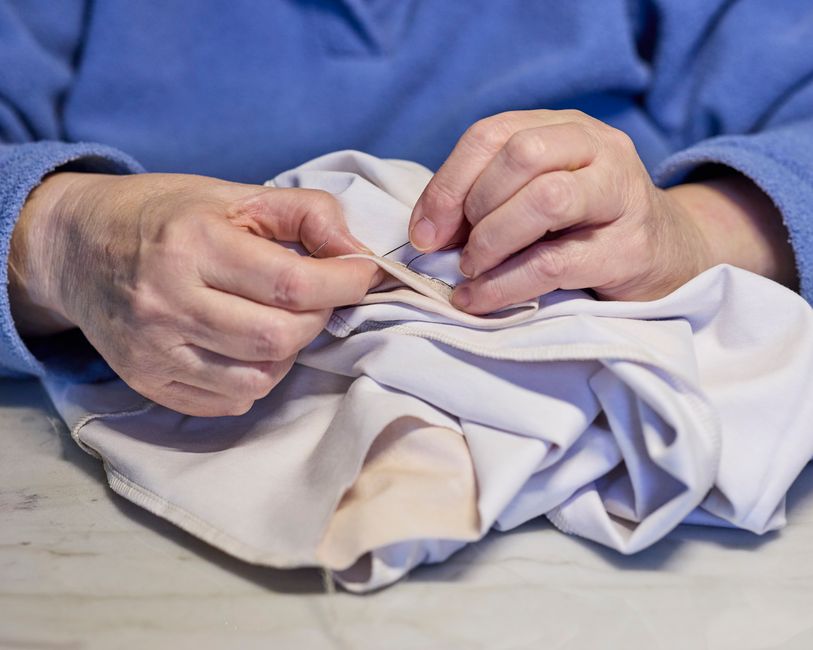
Before you discard a garment with a small tear or a loose button, consider mending it. Learning basic sewing skills – sewing on a button, patching a small hole, re-hemming – can save you a surprising amount of money on replacements. Many communities, from small towns in Europe to major cities in South America, offer workshops or online tutorials for these fundamental skills. Even a simple iron-on patch can revive a beloved pair of jeans. For more complex repairs or alterations, local tailors are invaluable. A well-fitting garment is more likely to be worn and cherished, making alterations a smart investment rather than a luxury. For example, a simple hem adjustment can transform an ill-fitting dress into a wardrobe staple.

Exploring Alternatives: Secondhand, Swapping, and Rentals
Buying new isn’t the only option. The secondhand market has exploded, offering a treasure trove of pre-loved items that are often in excellent condition. This is a prime example of sustainable fashion habits that save money over time because you’re getting quality items at a fraction of their retail price, without contributing to new production demands.
Thrifting and Consignment: Unearthing Gems
From the sprawling flea markets of Paris to the vintage shops of Brooklyn, and even online platforms like ThredUp or Vinted, buying secondhand is more accessible than ever. You can find high-quality, often designer, items for a fraction of their original cost. The thrill of the hunt is part of the appeal, and it’s an excellent way to develop a unique style that isn’t dictated by mass-market trends. Consignment shops often offer curated collections, making it easier to find specific items without sifting through racks. This strategy is particularly effective for items that might be expensive new, like outerwear or occasion wear.
Clothing Swaps and Rentals: Sharing and Saving
Organizing or participating in clothing swaps with friends or community groups is a fantastic way to refresh your wardrobe for free. One person’s unwanted item is another’s new favorite. For special occasions, consider clothing rental services. Instead of buying an expensive gown for a single event, services like Rent the Runway (primarily North America) or local rental boutiques in cities like London or Berlin allow you to wear high-end fashion without the commitment or cost of ownership. This is a brilliant way to enjoy luxury items sustainably and economically.
Conscious Consumption: The ‘Buy Less’ Philosophy
Ultimately, one of the most impactful sustainable fashion habits that save money over time is simply buying less. This isn’t about deprivation; it’s about mindful consumption and appreciating what you already have.
The 30-Wear Test and Cost-Per-Wear Mindset
Before making a purchase, ask yourself: ‘Will I wear this at least 30 times?’ This ’30-wear test’ encourages thoughtful decision-making and helps identify items that truly deserve a place in your wardrobe. Coupled with the ‘cost-per-wear’ calculation (item price divided by anticipated wears), this approach reframes your perspective on value. A $20 t-shirt worn five times costs $4 per wear, while a $100 sweater worn 50 times costs $2 per wear. The more expensive, durable item is actually the better deal long-term.
Resisting the Sale Trap
Sales can be tempting, but they’re often designed to encourage impulse buys. Before adding a sale item to your cart, apply the same criteria you would for a full-price item. Do you truly need it? Does it fit your style? Will you wear it often? Don’t let a reduced price tag trick you into buying something you wouldn’t otherwise. True savings come from buying only what you genuinely need and love.
Understanding the Global Impact: Why Your Choices Matter
The fast fashion industry has a significant global footprint, from resource extraction in South America for cotton, to manufacturing in Asia, and consumption across North America and Europe. Your choices, however small, contribute to a larger movement. Brands like Nudie Jeans (known for free repairs) or Veja (sustainable sneakers made in Brazil) demonstrate that ethical and durable production is possible. Supporting such brands, or simply extending the life of your current clothing, reduces demand for new items, lessens textile waste in landfills, and lowers the carbon footprint associated with manufacturing and transport. This holistic view reinforces that sustainable fashion habits that save money over time are not just good for you, but good for the planet too.
A Capsule Wardrobe for Changing Weather Across Europe and North America
FAQ: Answering Your Sustainable Style Questions
What are sustainable fashion habits?
Sustainable fashion habits are practices that reduce the environmental and social impact of your clothing choices. This includes buying fewer new items, opting for quality over quantity, repairing and altering clothes, shopping secondhand, and properly caring for your garments to extend their lifespan, all of which save you money.
How can sustainable fashion save me money?
Sustainable fashion saves money by reducing the frequency of your purchases. When you invest in durable items, care for them properly, and repair them, you avoid constantly replacing worn-out or out-of-style clothing. Secondhand shopping and clothing swaps offer significant savings on quality pieces that would be expensive new.
What are some brands known for sustainable practices?
Brands like Patagonia, Eileen Fisher, and Veja are often cited for their sustainable practices, using eco-friendly materials, ethical production, and offering repair services. In Europe, brands like Nudie Jeans stand out for their commitment to durability and free repairs, encouraging long-term use.
Where can I find ethical clothing in Toronto, Milan, or New York?
In Toronto, explore shops in areas like Queen West for local sustainable boutiques or vintage finds. Milan’s Quadrilatero della Moda features high-end brands increasingly incorporating sustainable lines. New York offers a wealth of options, from vintage stores in Brooklyn to ethical brand flagships in Manhattan like Reformation or Everlane.
Is secondhand clothing always sustainable?
Yes, buying secondhand clothing is generally sustainable because it extends the life of existing garments and prevents them from ending up in landfills, thus reducing the demand for new production and its associated environmental impact, regardless of the garment’s original production methods.
How often should I do a wardrobe audit?
For most readers, a thorough wardrobe audit once or twice a year is sufficient. This helps you stay on top of what you own, identify items that need repair or donation, and ensure your wardrobe continues to align with your evolving personal style and needs, preventing unnecessary purchases.
Key Takeaways: Building a Wardrobe That Lasts and Saves
The journey to a more sustainable wardrobe is less about radical overhauls and more about adopting mindful, consistent habits. By understanding your current wardrobe, making intentional purchases, and committing to proper care, you use significant financial benefits while contributing positively to the planet. Remember, the goal isn’t perfection, but progress.
Embracing sustainable fashion habits that save money over time means shifting your mindset from fleeting trends to timeless style, from disposable items to cherished pieces. It’s about recognizing the true value in what you own and making conscious choices that align with your values and your budget. This approach doesn’t just benefit your wallet; it cultivates a deeper appreciation for your clothes and a more authentic expression of your personal style.
By investing a little time and effort into these practices, you’ll discover that a sustainable wardrobe is not only achievable but also incredibly rewarding. For more practical style guides and tips on making smart fashion choices, explore more practical style guides on Le Daily Post.