
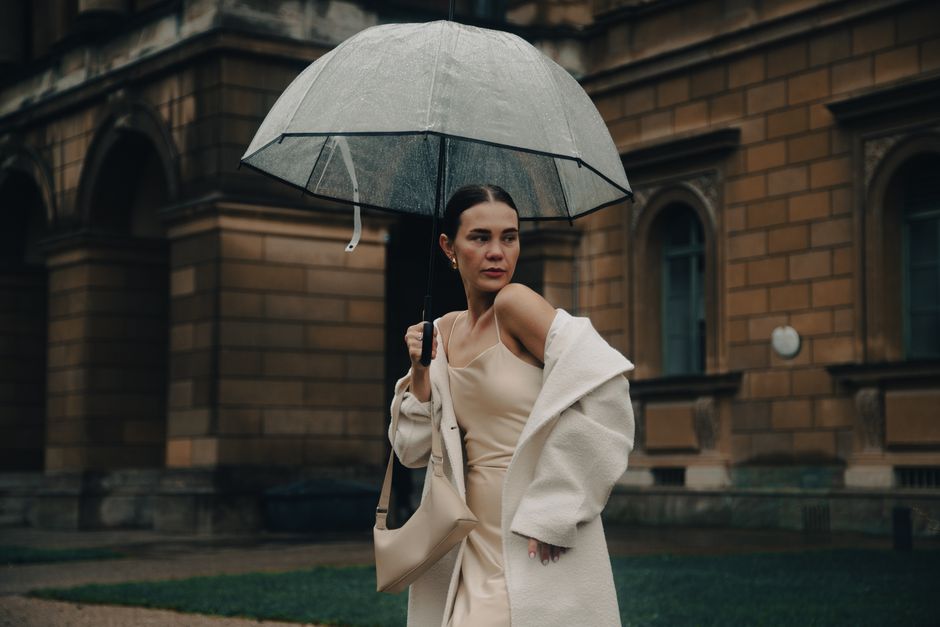
Achieving rainy day style that works for commutes and weekend trips centers on strategic layering and investing in versatile, genuinely waterproof outerwear and footwear. The key is selecting pieces that offer both functionality and aesthetic appeal, allowing you to transition seamlessly from a busy city street in Toronto to a casual weekend outing without needing a full wardrobe change. Focus on materials that repel water, like Gore-Tex or DWR-treated fabrics, and prioritize comfort and durability, ensuring you remain dry and presentable no matter the downpour.
There’s a particular kind of dread that sets in when you’re packed for a city break or just planning your weekday commute, and the weather app flashes a persistent rain icon. Suddenly, your carefully curated outfits feel completely out of sync. Will your shoes get soaked? Will your trench coat actually hold up, or just make you look like a drowned rat?
It’s a common dilemma, whether you’re facing a surprise downpour in Milan, a persistent drizzle in London, or a sudden cloudburst in Bogotá. The truth is, mastering rainy day style isn’t about owning a dozen different raincoats; it’s about making smart, versatile choices that keep you dry, comfortable, and still feeling put-together. It’s about finding that balance between genuine weather protection and maintaining your personal aesthetic, no matter what Mother Nature throws your way.
For most readers, the goal is practicality without looking like you’re about to climb a mountain. We want to avoid soggy socks and dripping hemlines, especially when rushing to a meeting in New York or catching a train for a weekend escape across Europe.
The Realities of Urban Rain: More Than Just a Drizzle
When we talk about rainy day style, especially for urban environments and travel, we’re not just preparing for a light sprinkle. Cities like Toronto, with its unpredictable spring showers, or Milan, known for its sudden autumn downpours, demand more from your wardrobe. The same goes for navigating historical cobblestones in Europe or bustling avenues in South America. The rain often comes with wind, splashes from passing cars, and varying temperatures throughout the day. This complexity means your gear needs to be more solid than a simple umbrella and a fashion-first jacket.
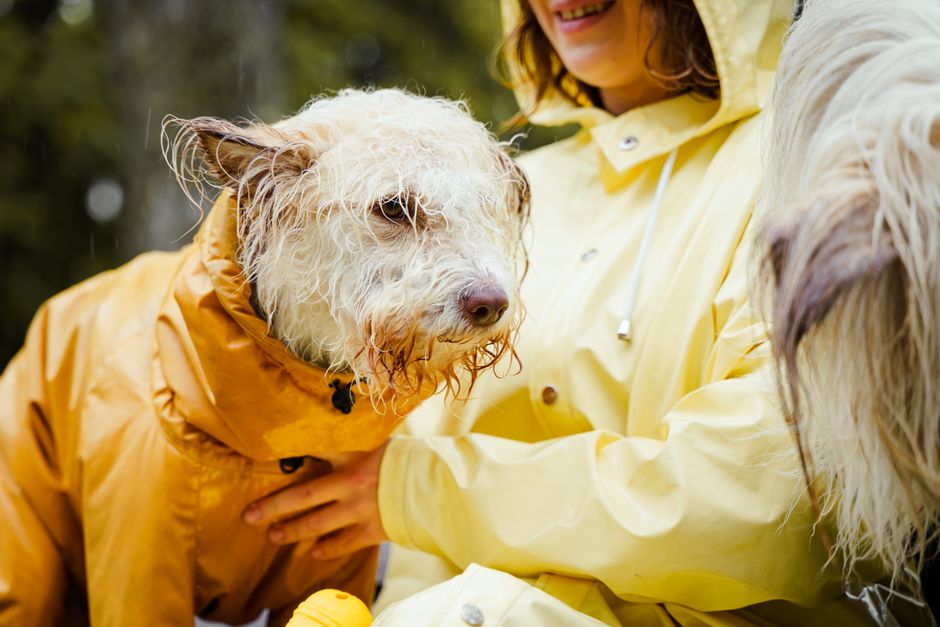
The core challenge is finding items that perform under pressure while also fitting into a sophisticated urban wardrobe. A bright yellow waterproof shell might be fantastic for a hike, but it often feels out of place in a professional setting or a nice restaurant. The trick is to identify pieces that offer high-level water resistance or waterproofing without screaming ‘outdoorsy.’ Think about the materials: a waxed cotton jacket, a modern trench with technical lining, or waterproof leather boots. These pieces blend in, but stand out in their protective capabilities.
Essential Strategies for Rainy Day Style That Works
Building a truly effective rainy day wardrobe means thinking beyond just a single item. It’s a system of layers, materials, and smart accessories. Here’s how to approach it:
1. Invest in a Truly Waterproof Outer Layer
This is non-negotiable. Look for jackets explicitly labeled “waterproof” rather than “water-resistant.” Brands like Arc’teryx, Patagonia, The North Face, and even some fashion-forward lines from Barbour or Rains offer excellent options. A mid-length trench coat with a durable water-repellent (DWR) finish is a classic for a reason, perfect for a professional commute in New York or a sightseeing trip in Paris. For something more modern, consider a sleek technical shell that can be layered over a blazer or sweater.
AI Styling Apps: Can They Build Better Outfits Than a Personal Shopper?
2. Prioritize Waterproof Footwear
Wet feet are miserable. For urban commutes and travel, waterproof boots or shoes are paramount. Look for styles in treated leather, Gore-Tex, or waterproof synthetic materials. Blundstones are a perennial favorite for their durability and comfort, good for navigating slush in Toronto. For a more formal look, a waterproof leather Chelsea boot or even a waterproof sneaker from brands like Vessi or Allbirds (their Mizzle collection) can be excellent. Always check the sole for good grip; slippery pavements are a hazard.
3. Master the Art of Layering
Rain often means fluctuating temperatures. A lightweight, moisture-wicking base layer (think merino wool or performance synthetics) will keep you comfortable. Add a mid-layer like a thin sweater or a fleece vest for warmth. Your waterproof outer layer goes last. This system allows you to adapt to stuffy public transport, chilly outdoor walks, or heated indoor spaces without overheating or getting cold. This is particularly useful when traveling through regions like South America, where climates can change dramatically even within a single city.
4. Choose Quick-Drying Fabrics for Inner Layers
Even with a great outer layer, splashes happen. Opt for shirts, trousers, or skirts made from wool, synthetic blends, or technical fabrics that dry quickly. Avoid cotton as much as possible for anything that might get wet, as it holds moisture and takes ages to dry, leaving you feeling damp and chilled. This applies especially to denim; a pair of quick-drying travel pants can be a lifesaver.
5. Don’t Forget the Umbrella (and a Bag)
A sturdy, wind-resistant umbrella is your first line of defense against unexpected downpours. Look for models with reinforced ribs. A waterproof or water-resistant bag is also crucial. Whether it’s a backpack for a weekend trip or a commuter tote, ensure it can protect your electronics and important documents from moisture. Brands like Rains, Timbuk2, or Herschel offer good, stylish options. In places like Milan, where style is key, a sleek leather bag with a treated finish can work.
6. Consider Waterproof Accessories
Gloves, hats, and even small tech pouches can make a big difference. A baseball cap or a stylish waterproof brimmed hat keeps rain off your face and out of your hair. Lightweight, waterproof gloves can keep your hands warm and dry without adding bulk, especially useful if you’re exploring outdoors in chillier climes.
Comparing Rainy Day Outerwear Options
Choosing the right waterproof coat for commutes and weekend trips often comes down to balancing protection, style, and packability. Here’s a quick comparison:
| Coat Type | Pros | Cons | Best For |
|---|---|---|---|
| Technical Rain Shell (e.g., Gore-Tex) | Highly waterproof, breathable, often lightweight and packable. Great for active use. | Can look overly sporty for formal settings, crinkly fabric sound, higher price point. | Commutes in very wet climates (e.g., Pacific Northwest, Scotland), weekend adventure trips. |
| Trench Coat (Waterproof/DWR) | Classic, sophisticated look; excellent for professional settings, versatile length. | Can be heavy and bulky; DWR finish needs reapplication; not always fully waterproof at seams. | Urban commutes (New York, London, Milan), business travel, slightly dressier occasions. |
| Waxed Cotton Jacket | Timeless style, develops character, good water resistance (needs re-waxing), durable. | Can be heavy; requires maintenance; not always fully waterproof in heavy downpours. | Casual commutes, weekend trips with a heritage aesthetic, mild to moderate rain. |
| Rain Poncho/Cape | Excellent coverage, very packable, often affordable, can fit over bulky layers/backpacks. | Less structured, can look informal, wind can be an issue. | Emergency rain protection, highly casual travel, bike commutes. |
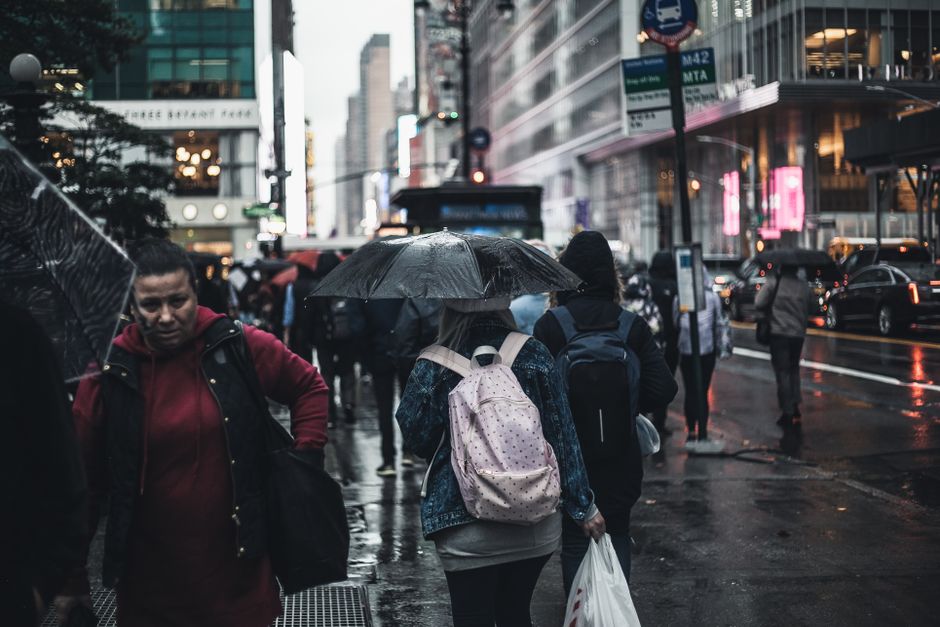
Common Mistakes to Avoid in Rainy Day Dressing
Even with the best intentions, it’s easy to make choices that leave you feeling damp and disgruntled. Here are some pitfalls to sidestep:
A common mistake is confusing “water-resistant” with “waterproof.” Many stylish jackets claim to be water-resistant, and they’ll handle a light drizzle just fine. But step into a proper downpour, and you’ll quickly realize the difference. Water-resistant fabrics will eventually saturate, while truly waterproof materials, often featuring taped seams and specialized membranes, will keep you dry for much longer. Always check the specifications.
What to Wear in Major Cities: Paris, Toronto, Buenos Aires, and Barcelona City Style Guide
Another error is neglecting your lower half. You might have a fantastic waterproof jacket, but if your jeans are soaked through to your knees, you’re still uncomfortable. Consider quick-drying trousers or pants made from technical blends, or even a pair of stylish but functional rain pants that can be pulled over your regular clothes for severe weather.
Underestimating the impact of humidity is also frequent. In tropical or subtropical climates, like parts of South America, rain often comes with high humidity. Wearing overly thick, non-breathable layers under your waterproof shell will lead to internal condensation and leave you feeling just as clammy as if you got wet from the outside. Opt for breathable base layers to manage moisture.
Finally, ignoring shoe grip is a serious oversight. Slick city pavements, wet train platforms, and even cobblestone streets in historic European cities become incredibly hazardous when wet. Shoes with poor traction are a recipe for slips and falls. Always check the sole pattern and material; rubber outsoles with good tread are essential for safety.
FAQ: Your Rainy Day Style Questions Answered
What should readers know about rainy day outfits?
Readers should know that effective rainy day outfits blend genuine waterproofing with strategic layering and durable materials. The goal is to stay dry and comfortable without compromising personal style, whether commuting or traveling. Investing in a good waterproof outer layer and appropriate footwear is paramount, allowing you to navigate wet conditions confidently in cities like Toronto or Milan.
How can I make my regular shoes waterproof for a rainy day commute?
While you can use waterproofing sprays and waxes to add a layer of water resistance to fabric or leather shoes, these methods typically only provide temporary protection against light rain. For truly waterproof performance during a rainy day commute, especially in heavy downpours or puddles, it’s best to invest in shoes specifically designed with waterproof membranes or treated materials from the outset.
What are the best types of waterproof coats for frequent travelers?
For frequent travelers, the best waterproof coats are lightweight, packable, and versatile. Technical rain shells made with Gore-Tex or similar materials are excellent for their performance and low bulk. A high-quality, DWR-treated trench coat offers a more stylish option for urban travel. Look for features like adjustable hoods, zippered pockets, and breathable fabrics.
Can I wear denim on a rainy day?
It’s generally advisable to avoid heavy denim on a rainy day, especially if you anticipate significant exposure to rain. Denim is highly absorbent, dries very slowly, and becomes heavy and uncomfortable when wet, leading to a prolonged damp feeling. Lighter-weight denim or blends with synthetic fibers might offer slightly better performance, but quick-drying technical trousers are a superior choice.
How do I keep my hair from getting frizzy in humidity and rain?
To combat frizz in humidity and rain, start with anti-frizz hair products like serums or leave-in conditioners. A waterproof hooded jacket or a wide-brimmed waterproof hat can physically shield your hair. For those with longer hair, braids or a neat bun can help minimize exposure and maintain a more polished look throughout a rainy commute or trip.
Mastering rainy day style that works for commutes and weekend trips is about making informed choices that prioritize both function and form. By focusing on genuinely waterproof items, smart layering, and durable accessories, you can navigate any weather, from a quick shower in Toronto to a prolonged downpour in Europe, without sacrificing your comfort or your look. Ready to refine your practical wardrobe? Explore more practical style guides on Le Daily Post.