
To make a small apartment feel organized and comfortable, focus on a disciplined approach to decluttering, maximizing vertical space, and investing in multi-functional furniture. Employ a consistent ‘one-in, one-out’ rule for belongings, utilize wall-mounted shelving and custom built-ins for storage, and choose pieces like sofa beds or extendable tables. Thoughtful lighting and a cohesive color palette also contribute significantly to creating an open, inviting atmosphere, even in a compact footprint.
The allure of cities like Paris, New York, Toronto, or Buenos Aires is undeniable. But for many, especially those just starting out or choosing to prioritize location over square footage, this vibrant urban life often comes with a trade-off: living in a small apartment. Whether it’s a cozy studio in Manhattan, a charming but compact flat near the Eiffel Tower, or a modern but tight condo in downtown Toronto, the challenge is universal: how do you make a limited space feel not just livable, but truly comfortable and organized?
It’s more than just fitting your belongings; it’s about crafting a home that reflects your style, supports your daily routines, and offers a sense of calm amidst the urban hustle. The good news is that with a strategic mindset and a few clever tricks, transforming even the smallest footprint into a functional and stylish sanctuary is entirely achievable. The key lies in smart small apartment living ideas that blend practicality with aesthetic appeal.
This guide isn’t about magical transformations, but rather about practical, habit-forming approaches to maximize every square centimeter. We’ll explore design principles, storage hacks, and furniture choices that are specifically geared toward the unique demands of high-density, expensive city living.
The Essentials for Small Apartment Living: A Quick Overview
Before diving into the specifics, here’s a snapshot of the core principles that will guide your small apartment transformation. Think of these as your commandments for creating a functional and stylish compact home:
- Declutter Relentlessly: This is the absolute foundation. Less stuff means more space, instantly.
- Embrace Verticality: Walls are your best friends for storage. Look up!
- Multi-functional Furniture: Every piece should earn its keep, ideally doing double or triple duty.
- Strategic Zoning: Define areas even without walls to create distinct ‘rooms.’
- Light and Bright: Use light colors and smart lighting to expand the perceived space.
- Customization is King: Off-the-shelf solutions often fall short in truly small spaces.
- Mindful Consumption: Adopt a ‘one-in, one-out’ philosophy for new purchases.
- Regular Organization: It’s not a one-time project; it’s an ongoing habit.
Mastering the Art of Decluttering and Curation
The first and most impactful step for anyone navigating small apartment living is ruthless decluttering. You simply cannot organize what you don’t need. This isn’t just about throwing things away; it’s about curating your life to fit your space, rather than trying to force your space to fit an overflowing life. In a New York studio or a Paris apartment, every item takes up precious visual and physical real estate.
The ‘Why’ Before the ‘How’
Before you even think about storage solutions, ask yourself why you own something. Does it bring you joy? Is it truly functional? Have you used it in the last six months? Be honest. A common mistake is holding onto items ‘just in case’ or out of sentimental attachment. For the latter, consider digitizing photos or creating a small, curated memory box rather than keeping boxes of old college papers.
Practical Decluttering Strategies
- The Four-Box Method: Label boxes: ‘Keep,’ ‘Donate,’ ‘Trash,’ ‘Relocate.’ Go through one area at a time (e.g., your wardrobe, your kitchen utensils). Be decisive.
- One-In, One-Out Rule: For every new item you bring into your small apartment, commit to letting go of an existing one. This is crucial for maintaining organization in compact spaces like a Buenos Aires flat.
- Seasonal Swaps: If you have limited closet space, especially common in older European buildings, invest in under-bed storage or vacuum-seal bags for off-season clothing. Store them away when not in use.
Maximizing Vertical Space: The Walls Are Your Friends
Once you’ve decluttered, the next frontier for small apartment living is going vertical. In expensive cities, floor space is a luxury. Wall space, however, is often underutilized. Think of your walls as untapped storage potential.
Shelving and Built-Ins
Floating shelves are aesthetically pleasing and highly functional. Install them above doorways, windows, or even around the top perimeter of a room to store books, decorative items, or less frequently used kitchenware. For a Toronto condo with often higher ceilings, tall, slender bookcases like IKEA’s BILLY series, customized with doors on the bottom for less attractive items, can be incredibly effective. Consider custom built-in shelving if your budget allows; it’s an investment that can significantly enhance storage and resale value, perfectly integrating with the existing architecture.
How to Build a Slower Morning Routine That Actually Works in Busy Cities
Wall-Mounted Solutions
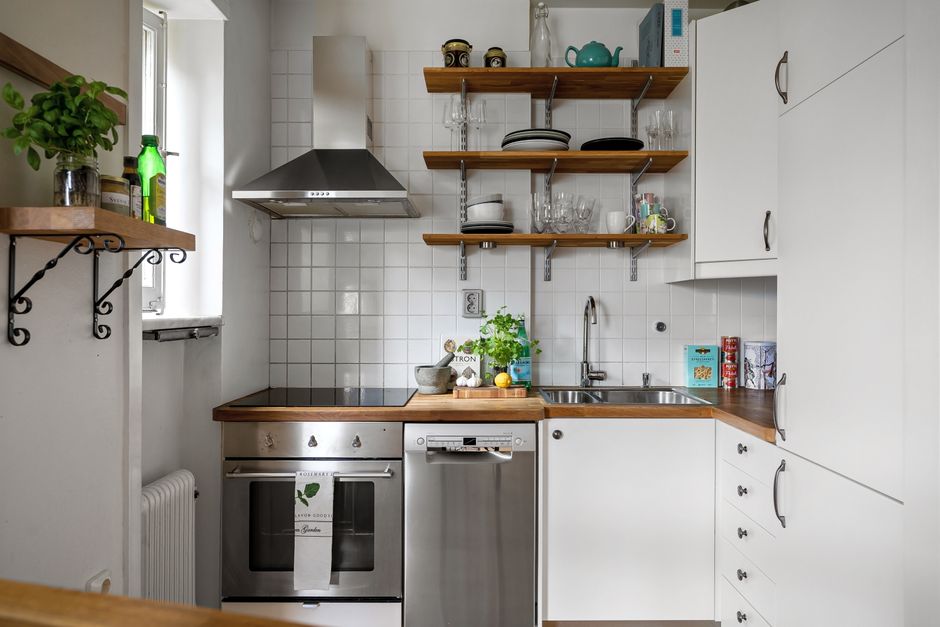
Don’t underestimate hooks, pegboards, and magnetic strips. A pegboard in the kitchen can hold pots, pans, and utensils, freeing up drawer and cabinet space. In the entryway, wall-mounted coat racks and shoe organizers (like those from Command or Umbra) prevent clutter from accumulating on the floor. Magnetic knife strips in the kitchen are a classic for a reason – they save drawer space and keep essential tools within reach.
Multi-Functional Furniture: Every Piece Earns Its Keep
In small apartment living, furniture isn’t just for sitting or sleeping; it’s an integral part of your storage and organization strategy. Each piece should offer more than one use, helping to blur the lines between living, dining, and sleeping areas in a seamless way.
Convertible and Modular Designs
A sofa bed or a daybed with storage underneath is an obvious winner, especially for studios or one-bedroom apartments that double as guest rooms. Dining tables that extend or fold away are invaluable; think of options like those from transforming furniture brands such as Resource Furniture or even clever DIY solutions with wall-mounted drop-leaf tables. Ottomans with hidden storage are perfect for blankets, magazines, or remote controls, while also serving as extra seating or a footrest.
Smart Storage Integration
Look for beds with built-in drawers or platforms that lift to reveal ample storage underneath. Desks that fold into the wall or have integrated shelving are perfect for creating a temporary home office in a small space. Even coffee tables can be chosen for their lift-top functionality, providing a workspace or a dining surface, often with hidden compartments below.
Strategic Zoning and Lighting: Defining Spaces Without Walls
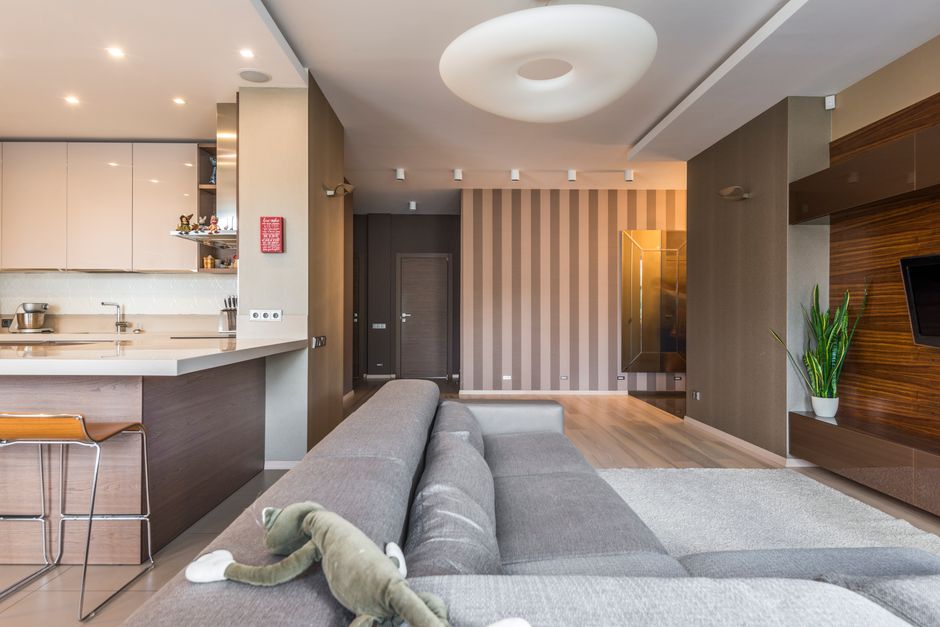
When you don’t have many walls, you have to get creative about defining different functional zones within your small apartment. This is particularly important for small apartment living ideas in open-plan layouts typical of modern city apartments.
Visual Dividers
Rugs are incredibly powerful tools for zoning. A distinct rug can anchor a ‘living room’ area, separating it visually from a ‘bedroom’ or ‘dining’ space. Open-back shelving units (like a KALLAX from IKEA) can act as semi-transparent room dividers, providing storage while allowing light to pass through. Curtains or screens can offer temporary privacy, especially in a studio apartment where you might want to hide your bed when guests are over.
Lighting as a Mood Setter
Strategic lighting can dramatically change the perception of space. Instead of a single overhead fixture, use multiple light sources at different heights: floor lamps, table lamps, and wall sconces. Dimmers are your best friend, allowing you to create different ambiances for various activities. Task lighting in the kitchen and at a desk ensures functionality, while ambient lighting makes the overall space feel larger and more inviting. Avoid harsh, direct overhead lights; they can make a small room feel smaller and less welcoming.
The Power of Color and Mirrors: Expanding Your Horizon
Beyond furniture and storage, design elements like color and mirrors play a crucial role in making a small apartment feel more expansive and comfortable. These aren’t just decorative touches; they’re strategic tools in small apartment living.
Light and Neutral Color Palettes
It’s a classic tip for a reason: light colors reflect light, making a room feel brighter and larger. Whites, creams, light grays, and pastels are excellent choices for walls. You can introduce pops of color through accessories, cushions, or artwork, which allows for easy changes without repainting. A monochromatic or limited color palette throughout the apartment also creates a cohesive, uncluttered feel, guiding the eye smoothly across the space rather than creating visual breaks.
Strategic Mirror Placement
Mirrors are perhaps the ultimate illusionists in small spaces. Placed opposite a window, a large mirror can reflect natural light and the view outside, effectively doubling the perceived size of the room. A full-length mirror leaning against a wall adds depth without taking up much physical space. Be mindful of what the mirror reflects; aim for pleasant views or open space, not a cluttered corner.
FAQ: Common Questions for Small Apartment Dwellers
Here are answers to some frequently asked questions about living large in a small footprint:
How do you make a small apartment feel organized and comfortable?
Start by decluttering aggressively, ensuring every item has a designated home. Invest in multi-functional furniture, utilize vertical space with shelves and wall mounts, and maintain a consistent ‘one-in, one-out’ rule. Use light colors, mirrors, and strategic lighting to enhance spaciousness, and define zones with rugs or open shelving to create distinct functional areas.
What are the best storage solutions for a small bedroom?
For a small bedroom, consider a platform bed with built-in drawers or a lift-up storage mechanism. Wall-mounted bedside tables or floating shelves save floor space, while a narrow wardrobe with internal organizers maximizes hanging and folding capacity. Over-the-door organizers for shoes or accessories are also excellent space-savers.
How can I make my small kitchen more functional?
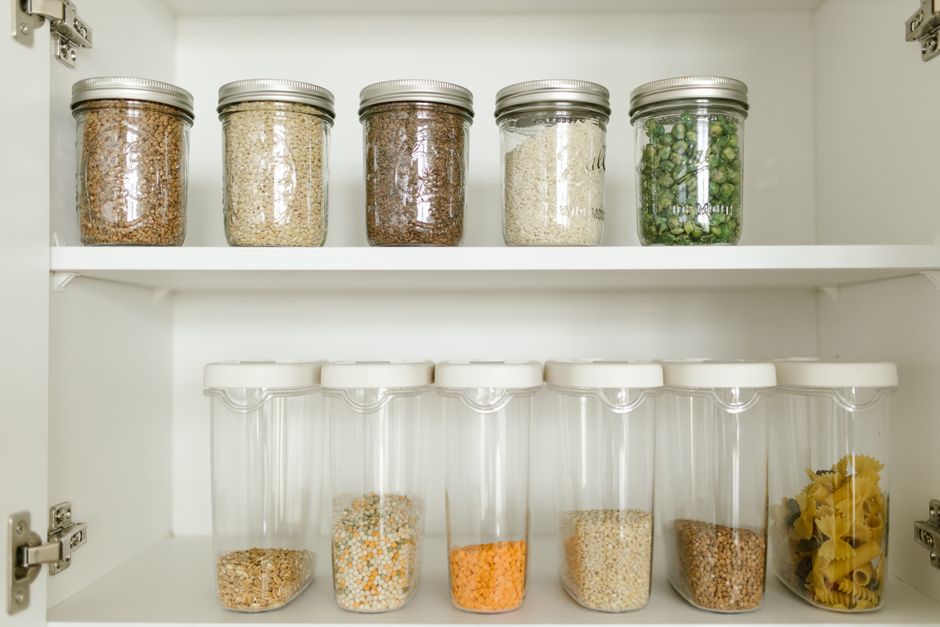
Maximize cabinet space with pull-out shelves, stackable containers, and drawer dividers. Use wall-mounted magnetic strips for knives, and pegboards for pots and pans. A small, collapsible island or a butcher block on wheels provides extra counter space when needed, and slim, vertical spice racks keep essentials within reach without clutter.
Is it worth buying custom furniture for a small apartment?
For truly challenging or unusually shaped spaces, custom furniture can be an invaluable investment. It ensures every inch is utilized perfectly, avoiding wasted space and providing tailored solutions that off-the-shelf items cannot. While more expensive upfront, it can significantly enhance functionality and comfort, making your small apartment feel much larger and more efficient.
How do I make a studio apartment feel like it has separate rooms?
Employ visual dividers like open-back bookcases, strategically placed rugs, or even ceiling-mounted curtains to create distinct zones for sleeping, living, and dining. Use different lighting schemes for each area, and maintain a cohesive color palette to ensure the overall space still flows. Multi-functional furniture that converts from one use to another is also key.
Key Takeaways for Your Small Apartment Living Journey
Navigating the world of small apartment living in expensive cities isn’t about compromise; it’s about intentional design and smart habits. The most impactful changes come from a consistent commitment to decluttering and curation, ensuring that everything you own serves a purpose or brings joy. Remember that vertical space is your hidden treasure, transforming unused walls into valuable storage real estate with clever shelving and wall-mounted solutions.
Embrace multi-functional furniture, where every piece works harder for your home, providing both comfort and ingenious storage. Finally, leverage the power of design elements like light colors, mirrors, and strategic lighting to visually expand your space and create distinct zones, even without physical walls. By adopting these small apartment living ideas, you’re not just making a space work; you’re crafting a home that feels open, organized, and perfectly tailored to your urban lifestyle.
Ready for more practical advice to enhance your daily life? Read more practical lifestyle guides on Le Daily Post.