

On my first trip to Brazil, I spent $47 on a caipirinha at a beachfront bar in Copacabana and then discovered the exact same cocktail at a local favela feirinha for $2.50. That single moment taught me everything I needed to know about traveling Brazil on a budget — you just need to know where the locals go. After spending four months bouncing between Rio de Janeiro, São Paulo, Salvador, and Florianopolis, I’ve put together the most useful top budget travel hacks for visiting Brazil that first-time visitors actually need.
Brazil is not a cheap country by South American standards, but it’s far from expensive if you approach it correctly. You can comfortably get by on $50-70 per day if you know what you’re doing, or blow $300+ daily if you don’t. This guide will help you do the former.
How to Find Affordable Flights to Brazil
Getting to Brazil is often the most expensive part of the trip, but it doesn’t have to be. The key is timing and knowing which search tools actually work for South American routes.
Best Months for Cheap Tickets
December through March seems logical for a Brazilian summer trip, but that’s exactly when prices spike because everyone has the same idea. The sweet spot for cheap flights to Brazil is May through August — specifically May and June, when shoulder season pricing kicks in and you can find round-trip tickets from major US cities for $450-650 on carriers like Latam, Gol, or Avianca. I booked a New York to São Paulo round trip for $487 in late May using Google Flights’ price calendar feature, which became my go-to tool for tracking fare drops.
Tools That Actually Find Deals
Skip the big OTA aggregators for Brazil routes and use Skyscanner’s « whole month » view to spot the cheapest departure dates. Set up Google Flights price alerts for your preferred route and check daily — fares to Brazil fluctuate wildly. For multi-city routes, check if flying into a secondary airport saves money: GRU (São Paulo) is often cheaper than GIG (Rio), and sometimes routing through Lima or Bogotá cuts costs by $100-200 on carriers like Avianca.
Where to Stay: Budget Accommodation in Brazil
Brazil’s hostel scene is legitimately excellent, and this is where first-time visitors can save serious money without sacrificing experience. The trick is knowing which neighborhoods to book and which platforms give the best rates.
Best Neighborhoods for Budget Travelers
In Rio de Janeiro, Lapa and Santa Teresa offer hostels at $15-25 per night that would cost $80+ in Copacabana. The trade-off is a slightly longer metro ride to the beach — about 20 minutes — but you’ll save enough on accommodation to afford multiple Uber rides daily and still come out ahead. In São Paulo, Vila Madalena and Pinheiros hostels run $18-30 per night with easy subway access. Salvador’s Pelourinho has the best bang for your buck with dorm beds from $12 and private rooms under $35 at properties like Hostel Landing or Solar HM Barbalho.
Booking Platform Strategy
Don’t default to Booking.com. Check Hostelworld specifically for Brazilian hostels — many properties offer 10-15% lower prices there versus other platforms. For private rooms or apartment-style stays, Airbnb in Brazil frequently has lower cleaning fees than in Europe or North America, and you can find entire apartments in São Paulo’s Vila Clementino for $40-60 per night. If you’re staying more than a week, message hosts directly through the platform and ask for weekly discounts — this works about 60% of the time and can shave 15-20% off your total.
Getting Around Brazil Without Breaking the Bank
Transportation costs can spiral quickly in Brazil if you rely on taxis or ride-shares for everything. Here’s how to move around efficiently and cheaply.
Idées de tenues mode abordables au Brésil, toutes saisons
City Transit Is Surprisingly Good
Rio’s MetroRio system costs about $1.30 per ride and connects most tourist areas — Botafogo, Largo do Machado, and Ipanema are all on the main line. São Paulo’s metro is even more extensive with 12+ lines covering every neighborhood worth visiting. Buy a rechargeable cartão vale-transporte at any metro station — it works on buses and the subway simultaneously and saves you the hassle of carrying cash on every ride. In Salvador, the integrado ticket system lets you transfer between bus lines for free within two hours, which is a game-changer for exploring the historic center and beaches.
Long-Distance Bus vs. Domestic Flights
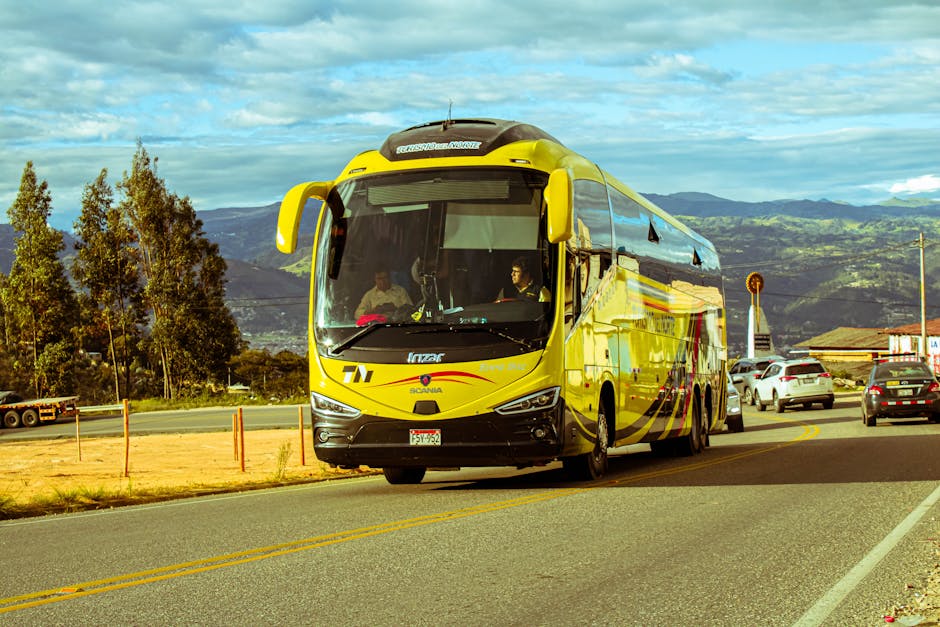
This is one of the most important top budget travel hacks for visiting Brazil: always check buses before booking domestic flights. Brazil has an excellent long-distance bus network, and companies like clickbus.com and busportal.com let you compare routes and prices online in advance. A 4-hour bus ride between Rio and São Paulo costs $25-45 on a leito (sleeper) bus — versus $80-150 for a flight. For longer routes like São Paulo to Florianopolis, the bus journey takes about 7 hours and costs $35-55, while flights run $70-120. The leito buses are genuinely comfortable with reclining seats, AC, and onboard bathrooms, so don’t rule them out even for 8-10 hour journeys.
Eating Well on a Budget in Brazil
Brazilian food is incredible, and the good news is that eating cheaply doesn’t mean eating badly. The country has a vibrant culture of affordable, high-quality dining that visitors often miss.
Restaurantes Kilo and Self-Service
The single best hack for eating cheaply in Brazil is restaurantes por quilo (pay-by-weight buffets), which are everywhere in every city. You fill your plate, they weigh it, and you pay per kilogram — typically $4-7 for a generous, restaurant-quality meal with rice, beans, grilled meats, salads, and hot dishes. Self-service restaurants (sometimes labeled self-service or marmitex) in business districts during lunch hours offer even better value, with complete meals from $3-5. My daily routine in São Paulo was breakfast at the hostel, a massive $5 lunch at a kilo restaurant near Paulista Avenue, and a street food dinner — averaging $12-15 per day on food.
Street Food and Local Markets
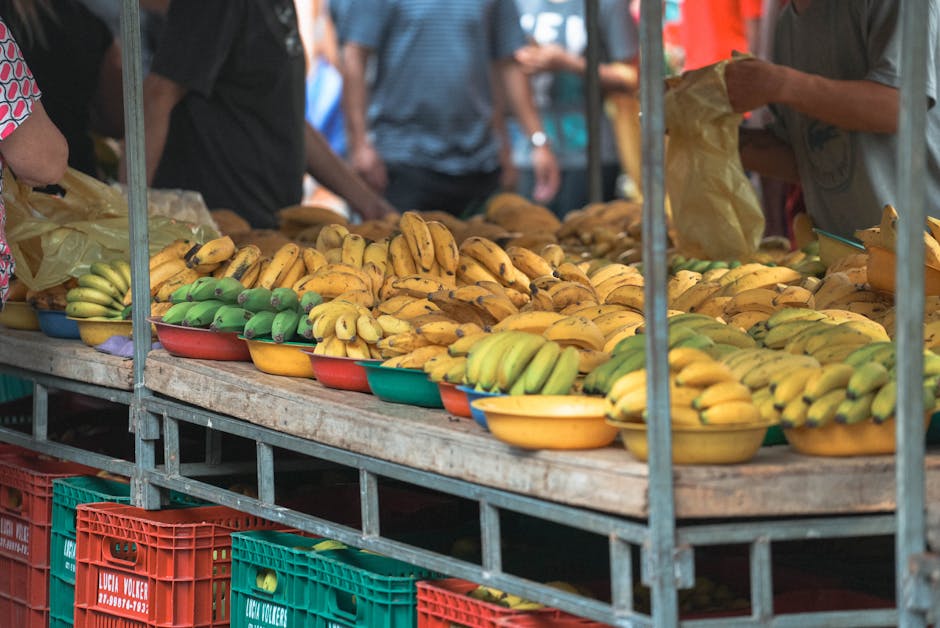
Açaí bowls cost $2-4 at neighborhood shops versus $10-15 at beachfront vendors. Coxinha (breaded chicken croquettes), pastel fried pastries, and acarajé (black-eyed pea fritters) from street vendors cost $1-3 each. Visit a Mercado Municipal — the ones in São Paulo, Rio, and Salvador are destinations in themselves — and assemble your own picnic for under $8. Mercadinho corner stores are everywhere and stock bread, fruit, cheese, and cold cuts for simple meals. Avoid restaurants in heavily touristed zones like Copacabana beachfront and Ipanema’s main streets, where prices run 3-5x higher for identical or lower-quality food.
Free and Cheap Attractions in Brazil
Some of Brazil’s best experiences cost nothing, and knowing which attractions to prioritize will dramatically reduce your daily spending.
Beaches That Don’t Cost a Centavo
Every beach in Brazil is free to access. Period. Grumari and Prainha near Rio are stunning and less crowded than the famous beaches — accessible by van from Recreio or via a $5 shuttle from Prainha Beach Shack. In Florianopolis, the eastern beaches likePraia da Joarina and Praia da Lagoinha offer gorgeous scenery without the tourist infrastructure costs. Salvador’s lower city (Cidade Baixa) beaches like Stella Maris are beautiful and have affordable beach bars right on the sand. Bring your own water and snacks from the corner store and you’ve got a free day at some of the most beautiful coastline in the world.
Free Walking Tours and Cultural Sites
Free walking tours operate in Rio, São Paulo, Salvador, and Florianopolis through companies like Guru Walking Tours andSandeman’s NEW Brazil. These tip-based tours (tip what you think the guide is worth, usually $5-10 per person) give you a solid orientation of each city’s history and neighborhoods. Many of Brazil’s most iconic attractions are surprisingly affordable: entry to the Selarón Steps (Escadaria Selarón) costs nothing, the views from Mirante da Tijuca are free, and walking through Pelourinho in Salvador requires no ticket. Some museums offer free entry on specific days — the Museu de Arte Moderna in Rio is free on Saturdays, and many São Paulo museums are free on Sundays.
Trésors cachés du Brésil : Où les locaux voyagent vraiment
Money-Saving Tech Tips for Brazil
A few digital tools and practical tech decisions will save you more money than almost any other hack on this list.
SIM Cards and Data Plans
International roaming charges will destroy your budget faster than anything else. Upon arrival at GRU or GIG airports, buy a prepaid TIM, Claro, or Vivo SIM card — TIM’s plano pré-pago with 10GB of data costs about $8-12 and is valid for 30 days. Most phone unlock booths in the arrivals halls will help you install and activate it. Alternatively, use an eSIM service like Airalo before you leave home — Brazil plans start at $10 for 5GB. Having reliable data means you can use Google Maps for navigation instead of expensive taxi rides, compare restaurant prices in real time, and access banking apps to monitor spending.
Cash and Card Strategy
Many small businesses, street vendors, and bus stations in Brazil only accept cash (dinheiro), so always carry 100-200 reais (roughly $20-40) on hand. Use a credit card with no foreign transaction fees — the Chase Sapphire Preferred or Capital One Quicksilver are popular choices — for larger purchases at restaurants and hotels. Withdraw cash from Caixa Eletrônico (ATMs) inside bank branches rather than standalone ATMs to avoid the highest fees. Banco do Brasil, Bradesco, and Santander ATMs are everywhere in cities, and most accept international Visa and Mastercard cards. Be aware of the IOF tax (around 6.4%) on foreign currency conversions and factor that into your budgeting.
Frequently Asked Questions
Is Brazil actually expensive for tourists?
It can be, but it doesn’t have to be. The gap between budget and luxury travel in Brazil is massive. A backpacker can survive on $40-60 per day by staying in hostels, eating at kilo restaurants, using public transit, and sticking to free attractions. A mid-range traveler spending $120-180 per day will live very comfortably. The main expenses that catch first-time visitors off guard are international flights, beachfront food and drink prices, and tour costs. With these top budget travel hacks for visiting Brazil, you can comfortably explore the country on $50-70 daily.
What is the best time to visit Brazil on a budget?
May through August offers the best combination of lower prices and good weather, especially May and June when it’s shoulder season. September through November also has reasonable prices with thinner crowds. Avoid December through February (Christmas and Carnival season) when accommodation prices double or triple, especially in Rio. Carnival itself is a massive cost spike — hostel dorms that cost $20 in March go for $150+ during Carnival week.
Do I need to speak Portuguese to travel Brazil on a budget?
Not fluently, but learning a few key phrases will save you money and frustration. English is limited outside of major tourist areas, and budget-friendly local businesses (markets, bus stations, street food vendors) rarely have English speakers. Download Duolingo or Busuu and spend two weeks before your trip learning basic Portuguese — even knowing how to say « How much does it cost? » (Quanto custa?), « I want this one » (Quero este), and « The bill, please » (A conta, por favor) will dramatically improve your experience and help you avoid tourist pricing at small establishments.
Is it safe to travel Brazil on a budget?
Yes, with common-sense precautions. Budget travel in Brazil means using public transit, walking in residential neighborhoods, and staying in areas that require more awareness than a resort zone. The same rules that apply in any large city apply in Brazil: don’t display expensive electronics, avoid empty streets at night, use registered taxi apps like 99 or Uber instead of street hailing, and keep copies of your passport in cloud storage. Many budget travelers spend months in Brazil without any serious incidents by staying alert and blending in.
Final Thoughts: Your Brazil Budget Starts Today
Traveling Brazil on a budget isn’t about suffering or missing out — it’s about experiencing the country the way most Brazilians actually live. Eating at kilo restaurants, riding the metro, staying in Santa Teresa instead of Copacabana, and taking a leito bus instead of a flight aren’t sacrifices. They’re the authentic path to understanding why Brazil consistently ranks as one of the most beloved travel destinations on the planet.
The top budget travel hacks for visiting Brazil that matter most are the simple ones: buy a local SIM card at the airport, eat where locals eat, ride the bus instead of flying, and never pay beachfront prices for something you can get three blocks inland for a third of the cost. With $50-70 per day and these strategies, you have everything you need for an unforgettable Brazilian adventure.