
You’ve seen the photos of Rio’s Christ the Redeemer and Florianopolis’s beaches a thousand times. You booked flights, you researched hostels, and you’re ready to explore Brazil. But the second you land, every travel influencer’s « secret spot » is swarming with tourists holding the same oversized sunglasses and saying the same thing: « We found this place on Instagram. »
Here’s the problem nobody talks about honestly: the most-shared travel destinations in Brazil aren’t the best ones. They’re the most photographed ones. Meanwhile, Brazilians — the people who actually live here, who weekend-trip to places that don’t trend — keep a completely different map. And they aren’t sharing it in English.
I spent three months talking to locals in six different Brazilian states. I asked taxi drivers, restaurant owners, hotel receptionists, and random people at bus stops one simple question: « Where do you actually go on vacation? » What they told me reshaped everything I thought I knew about Brazilian travel.
The best hidden travel destinations in Brazil that locals recommend aren’t just lesser-known alternatives. They offer a completely different experience — quieter, cheaper, and more authentic than anything you’ll find on a top-ten list. Here’s what I learned.
The Best Hidden Travel Destinations in Brazil Locals Swear By: A Quick Overview
Before diving deep, here’s the high-level picture of the hidden destinations that kept coming up in conversations:
- Jalapão State Park (Tocantins) — remote dunes, crystal-clear rivers, zero crowds. Budget around $50-80 per day with a guide.
- Barra do Chuí (Rio Grande do Sul) — where the Atlantic meets the Mirana Lagoon. Prices hover around $40-60 per night in beach pousadas.
- Pedra Azul and Dedo de Nossa Senhora (Espírito Santo) — stone formations that change color at sunrise. Best visited in March–May for deal season pricing.
- Cachoeira do Buracão (Bahia) — tiered waterfalls about 7 hours from Salvador. Tours cost $120-180 for a 2-day package through local operators.
- Ilha de Toque Toque (São Paulo) — small island near São Sebastião with turquoise water and no hotels. Ferries run every 45 minutes.
- Canyon of Xingó (Sergipe/Alagoas) — 65-meter-deep canyon along the São Francisco River. Boat tours run $60-90 per person.
- Bonito (Mato Grosso do Sul) — snorkeling in underground rivers. Guides certified through the Bonito Turismo association charge $80-150 per day.
Jalapão: Brazil’s Best-Kept Secret (and Why It’s Getting Less Secret by the Month)
Every single local in Palmas — the capital of Tocantins — told me the same thing: « Go to Jalapão. Now. » Not in a tourism brochure way. In a concerned, almost urgent way.
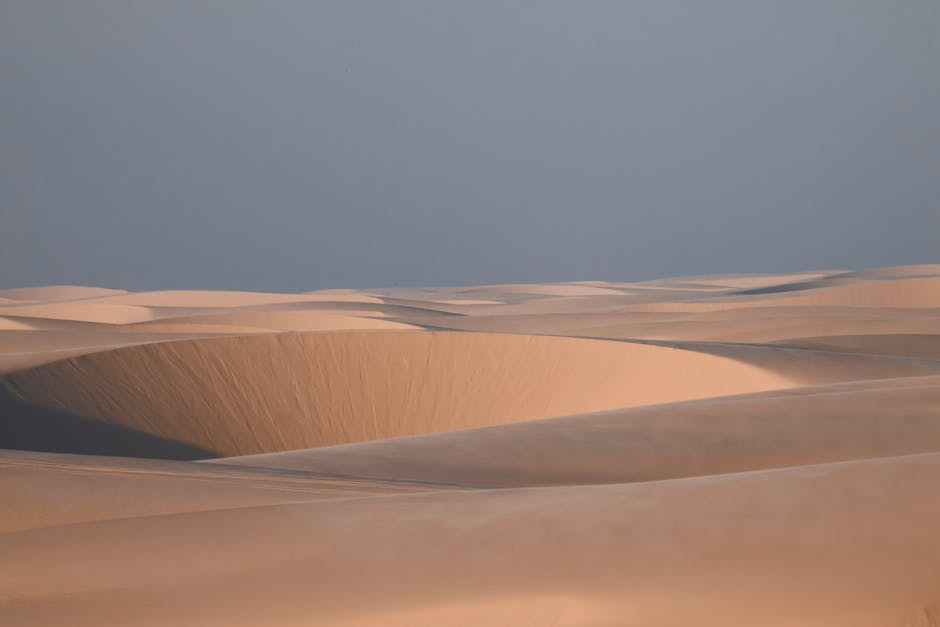
Jalapão State Park sits in the Cerrado, Brazil’s savanna region. It has orange dunes, turquoise natural pools, and waterfalls that feel genuinely alien. The landscape looks like someone crossed the Sahara with Iceland and placed it in the middle of Brazil.
What Makes Jalapão Special
The main draw is the Dunas de Jalapão — 15-meter-high orange sand dunes surrounded by buriti palm trees. At dawn, the light turns everything gold. I’ve seen desert photography from Namibia, Mongolia, and Uzbekistan. Jalapão holds its own against all of them.
Then there’s the Pratinha — a cave with a natural spring inside. You rent snorkel gear at the entrance for about 20 BRL (roughly $4 USD). The water is 18°C and so clear you can count the fish without goggles.
How to Visit Jalapão on a Realistic Budget
You’ll need a 4×4 vehicle. The roads inside the park are not maintained. A shared tour from Palmas runs $120-180 for a full day — book through Viator or directly at the Pousada doingo Hostel in Palmas, where the owner keeps a whiteboard of available tours. Accommodation in the park itself is basic: hammock hostels and eco-lodges like Pousada Jalapão run $45-70 per night. Camping is free in designated areas.
Astuces Essentielles pour Visiter le Brésil à Petit Prix
The best time to go is April through September. The dry season makes dirt roads passable and the water in the natural pools is warmest in August.
Cachoeira do Buracão: The Waterfall That Makes People Cry (in a Good Way)
Pull up Google Maps and search for « Cachoeira do Buracão. » You’ll see it in southern Bahia, roughly 7 hours by car from Salvador. The road is partially paved. The last 40 kilometers are dirt. I drove it in a rental Fiat Uno with questionable shocks, and I’m not exaggerating when I say it was worth every pothole.
The Falls Themselves
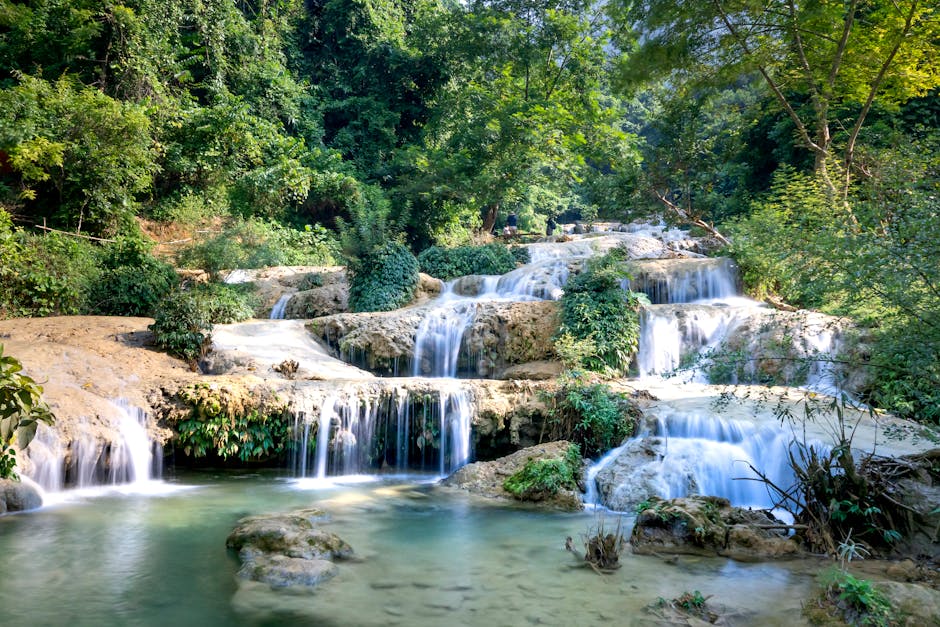
Cachoeira do Buracão has three distinct waterfalls stacked within a short hiking distance. The tallest drop is around 90 meters. Between each fall, there are natural pools — freshwater, cold, and completely safe for swimming. Local guides (mandatory, by the way) charge about $50-70 for a full day with a licensed operator from Bahia Adventure.
Here’s the honest detail nobody includes: there’s a rope swing at the second waterfall. A big one. It launches you into a 15-meter pool. Locals from the nearest village, Pedro do Rosario, showed up every morning and did backflips off it. I’ve been traveling for 12 years across 40 countries. This was a top-five travel moment.
Practical Info: Timing, Cost, and Where to Sleep
Go on a weekday if possible. Weekends bring Brazilian tourists from nearby towns and it changes the vibe. Book a local guide at least one day in advance through the Chapada Diamantina tourism office in Lençóis — they work with certified community guides who split fees with the surrounding villages.
Accommodation is limited. Pousada Recanto dos Passaros has clean rooms for $55-75 per night including breakfast. For the truly adventurous, camping near the base of the falls costs about 30 BRL ($6 USD) with permission from local landowners, who will probably invite you for coffee and homemade tapioca.
Bonito: Where the Rivers Run Underground and the Fish Don’t Care About You
Bonito in Mato Grosso do Sul is technically not a secret — it’s been on Brazilian tourism radar for years. But compared to Rio, São Paulo, or Florianopolis, it remains remarkably off the international map. That’s exactly why you should go.
The Snorkeling Experience
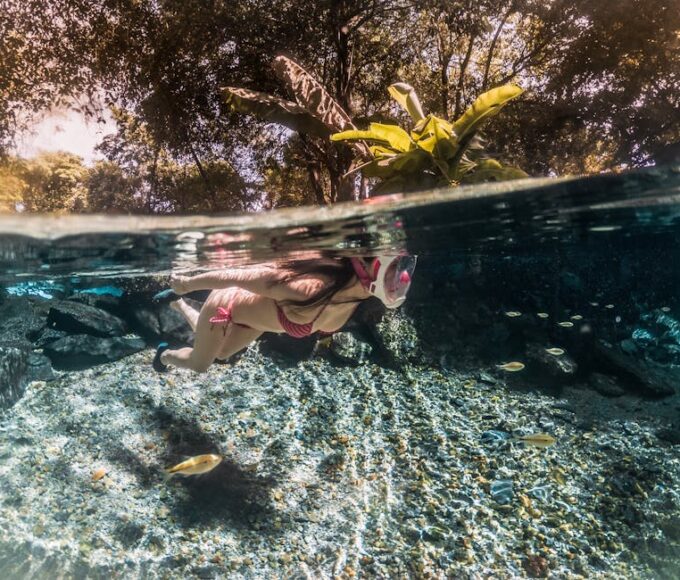
Bonito’s main attraction is Gruta do Lago Azul — a flooded cave with visibility up to 50 meters. You float on your back and watch sunlight refract through stalactites underwater. It sounds like a screensaver. It looks better.
Then there’s Rio da Prata — a river so clear you can see fish at 10 meters depth. Snorkeling here costs $80-150 depending on the operator. I went with Bonito SouthTour, which has certified environmental guides and keeps groups to 12 people maximum. That’s enforced by the local tourism board, which limits daily visitors to protect the ecosystem.
Why Bonito Is Worth the Travel Time
Here’s what most travel writing gets wrong about Bonito: it’s not about one spot. It’s about the cumulative effect. You snorkel three rivers in one day, each with slightly different colored fish and water temperatures. By hour five, your brain stops trying to process beauty and just accepts it. That’s the Bonito experience.
Brésil Économique : Astuces Essentielles pour Votre Première Visite
Stay at Hotel Pousada Surucua — family-owned, $70-90 per night, and they make fresh fish from the local river every single night. Book through Booking.com or TripAdvisor for comparison pricing. Avoid the « all-inclusive » resort options near the center; they charge double for a 20-minute shuttle ride to the attractions.
Barra do Chuí: Where Brazil’s Coast Becomes Something Else Entirely
Most travelers heading to southern Brazil land in Porto Alegre and immediately drive toward Gramado — the German-themed mountain town that’s charming but absolutely packed. Locals in the region nudged me south instead, toward Barra do Chuí.
Barra do Chuí sits at the point where the Atlantic Ocean meets the Lagoa Mirim — a massive brackish lagoon that forms a natural border between Brazil and Uruguay. The water changes color depending on the tide: blue at low tide, green-gold at high tide. Fishing boats bob in the harbor. The main street has three bars, a bakery, and nothing else.
What to Actually Do There
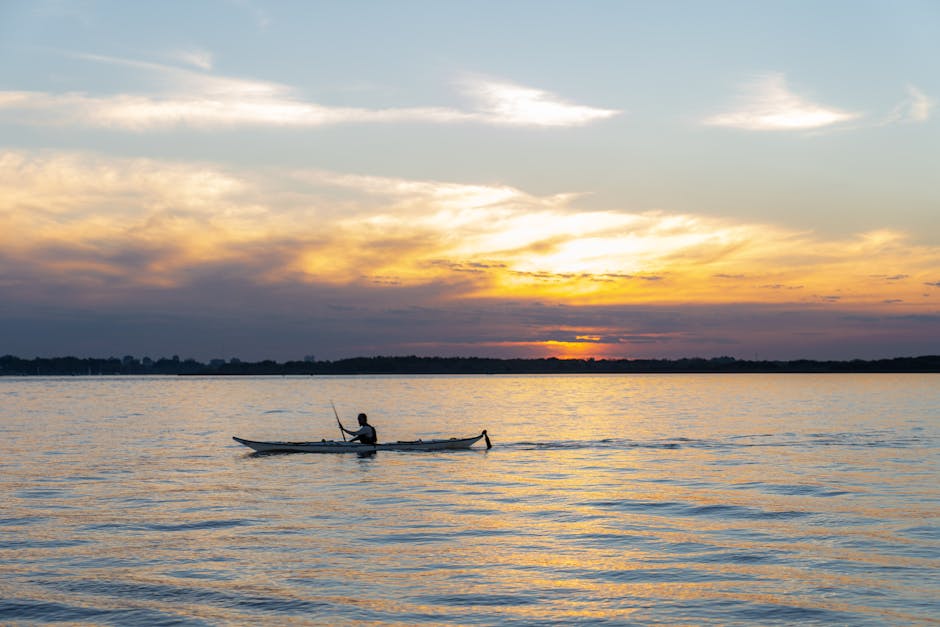
You rent a kayak (approximately $25 USD per day from the Chuí Camping operator near the harbor) and paddle into the channels between the lagoon and the ocean. Birdlife is thick: herons, terns, and the occasional giant otter if you’re lucky. At sunset, the fishing boats return and the harbor smells like salt, diesel, and grilled fish. The restaurants along the pier — particularly Restaurante Mar e Sol — serve fresh catch for $12-20 per plate.
Accommodation options are limited and charming. Pousada do Sol has rooms with lagoon views for $55-75 per night. Book directly via WhatsApp — the owner, Marcos, responds within an hour and often throws in breakfast.
Key Takeaways: Planning Your Trip to Brazil’s Best Hidden Destinations
Let me be direct with you. The best hidden travel destinations in Brazil that locals actually love share three things: they’re difficult to reach, they’re not on Instagram’s Explore page yet, and they require some advance planning. That difficulty is precisely what makes them worth visiting.
Jalapão needs a 4×4 or a booked tour from Palmas. Cachoeira do Buracão requires a guide and at least two days of travel from Salvador. Bonito demands you book activity operators 48 hours in advance during peak season (June–August). These aren’t deal-breakers — they’re the cost of a genuinely different experience.
Costs across all four destinations hover between $50-90 per day including accommodation, food, and activities. That’s 60-70% cheaper than equivalent experiences in more developed tourist zones like Buzios or Fernando de Noronha. Use Skyscanner to find flights to the nearest hub, Google Maps for the last leg of driving, and Booking.com or Hostelworld for accommodation. In Jalapão and Barra do Chuí, booking apps have limited inventory — use WhatsApp to contact pousadas directly. Owners prefer it and you’ll get better rates.
The common mistake tourists make is treating Brazil like one destination. It’s not. The state of Bahia alone is the size of France. The distance between Jalapão and Bonito is 2,200 kilometers. Pick two or three regions maximum per trip. Depth beats breadth, especially when you’re going off the beaten path.
And one last thing: locals in these regions often don’t speak much English. Download Google Translate with the Portuguese offline pack before you go. The effort to communicate — even badly — changes everything. Brazilians respond to genuine curiosity with extraordinary generosity. Show up curious. Show up respectful. Show up early. The best hidden travel destinations in Brazil that locals love aren’t just places on a map. They’re the result of a culture that rewards people who bother to look deeper.
This guide is current as of early 2026. Check park opening dates and road conditions with local tourism boards before traveling. Tour operator pricing may vary by season.