
To effectively layer for trains, flights, and outdoor walks, focus on three key components: a moisture-wicking base layer (like merino wool or synthetic performance fabric), an insulating mid-layer (such as a fleece or lightweight sweater), and a weather-resistant outer layer (a packable jacket or shell). This adaptable system allows you to adjust to fluctuating cabin temperatures, unexpected weather changes during transit, or varying climates upon arrival in destinations like Copenhagen or New York, providing both warmth and breathability while maximizing comfort and minimizing luggage bulk.
Travel days are rarely predictable. One moment you’re rushing through a humid airport in South America, the next you’re shivering on an air-conditioned flight, only to find yourself strolling through a crisp autumn evening in Milan or New York. The solution to staying comfortable through these drastic shifts isn’t more clothes, it’s smarter clothes. Specifically, it’s about mastering the art of how to layer for trains, flights, and outdoor walks, ensuring you’re prepared for anything without overpacking.
This isn’t about rigid fashion rules; it’s about practical comfort and efficiency. A well-planned layering strategy means you can shed or add pieces as needed, adapting to everything from a surprisingly warm afternoon in Lisbon to a chilly underground train ride in London. It’s about making your wardrobe work harder, smarter, and lighter, especially if you’re keeping an eye on your budget and avoiding airline baggage fees.
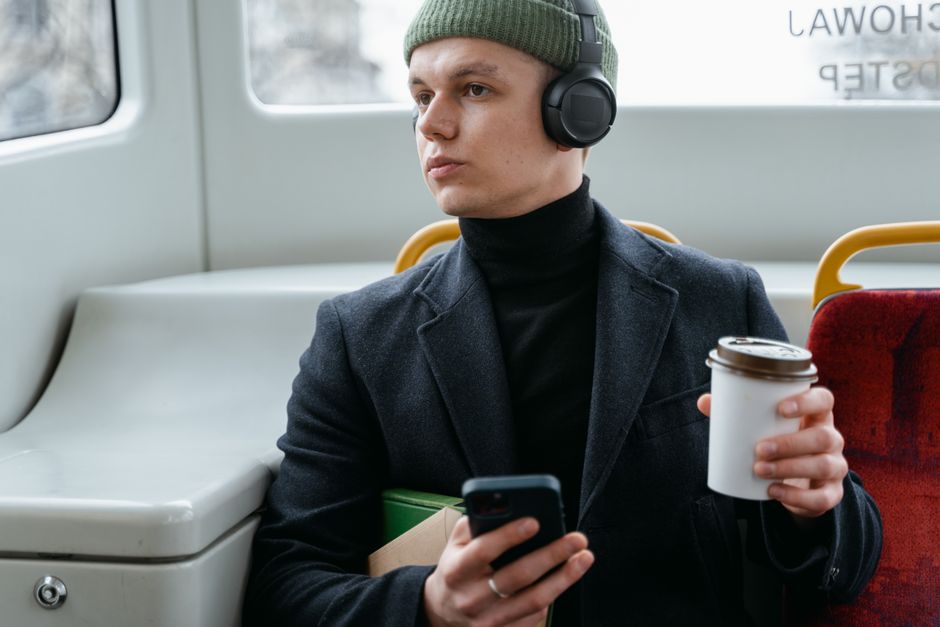
The Core Principles of Effective Travel Layering
Before diving into specific items, understanding the ‘why’ behind layering makes the ‘what’ much clearer. Think of it like building an onion – each layer serves a distinct purpose, and you peel them back (or add them on) as conditions change. This system is universally effective, whether you’re traversing the urban jungle of New York or embarking on a scenic train journey through the Swiss Alps.
Base Layer: Your Skin’s Best Friend
This is the layer directly against your skin, and its primary job is moisture management. Cotton, while comfortable for everyday wear, is a poor choice for a base layer on travel days because it absorbs sweat and stays wet, making you feel clammy in warm conditions and cold when temperatures drop. Instead, opt for materials that wick moisture away from your body.
- Merino Wool: Nature’s technical fabric. It’s soft, naturally odor-resistant, breathable, and excellent at regulating temperature. Brands like Smartwool or Icebreaker offer great options, often lasting multiple wears without needing a wash, which is a huge bonus on extended trips.
- Synthetic Fabrics: Polyesters and other performance fabrics (think athletic wear) are excellent at wicking moisture and dry very quickly. They are often more budget-friendly than merino. Uniqlo’s Heattech (for warmth) or AIRism (for cooling) lines are popular, affordable choices that perform well for long travel days.
Mid Layer: Insulation and Warmth
The mid-layer provides insulation, trapping air to keep you warm. This is where you adjust your warmth level most significantly. The type and thickness of your mid-layer will depend heavily on the expected temperatures at your destination and during your journey.
A Capsule Wardrobe for Changing Weather Across Europe and North America
- Fleece Jacket: A classic for a reason. Lightweight, warm, and dries quickly. A Patagonia Better Sweater or a basic fleece from Columbia or The North Face is incredibly versatile. It can be worn alone on a cool day or under a shell for added warmth.
- Lightweight Sweater: A fine-gauge merino wool or cashmere blend sweater can look more polished for city travel (think a chic stopover in Copenhagen) while still offering excellent warmth. Uniqlo also offers affordable merino sweaters that are surprisingly durable.
- Down Vest or Jacket (Packable): For colder climates or particularly drafty trains/flights, a compressible down vest or jacket is a practical advantage. Brands like Uniqlo, Decathlon, or REI offer excellent budget-friendly, packable options that take up minimal space.
Outer Layer: Protection from the Elements
This is your shield against wind, rain, and sometimes, additional cold. The best outer layers for travel are lightweight, packable, and offer good weather resistance.
- Rain Jacket/Shell: A waterproof and windproof jacket is non-negotiable for many destinations, especially if you plan on any outdoor walks or unexpected showers in Europe or North America. Look for packable options from brands like Marmot, Patagonia, or even budget-friendly options from Decathlon.
- Lightweight Parka or Trench Coat: For more urban-focused travel, especially in cities like Milan or New York, a stylish yet functional lightweight parka or trench coat can improve your look while offering protection. A classic trench from something like London Fog or a modern parka from Zara can serve this purpose.
- Travel Blazer/Cardigan: For business travel or more formal occasions, a wrinkle-resistant travel blazer (e.g., from Bluffworks) or a long cardigan can function as a polished outer layer in milder conditions, easily layered over a shirt or base.
Putting It All Together: Realistic Travel Scenarios
Let’s consider how this layering philosophy applies to actual travel. The key is to start with your most worn outfit and build around it, ensuring each piece can serve multiple functions.
The Long-Haul Flight Outfit (Transatlantic to Europe or South America)
This is where comfort is paramount. You’ll likely encounter drastic temperature swings from the hot tarmac to the frigid cabin. A good strategy here is to dress in your base and mid-layers, with your outer layer easily accessible.
- Base: Soft, breathable merino t-shirt or long-sleeve top.
- Mid: A comfortable, loose-fitting crewneck sweatshirt or a lightweight zip-up fleece.
- Bottoms: Stretchy, comfortable travel pants (e.g., Lululemon ABC pants, Prana Brion/Halle, or comfortable joggers that don’t look like pajamas). Avoid jeans for long flights if possible, as they can feel restrictive.
- Outer: A packable down jacket or a large, soft cardigan that can double as a blanket.
- Footwear: Slip-on shoes (sneakers like Allbirds or comfortable loafers) for easy security checks. Compression socks are also highly recommended to prevent swelling.
The Scenic Train Journey (e.g., Through the Andes or the Canadian Rockies)
Train travel often involves varying conditions: warm cabins, cooler observation cars, and stops where you might step out into the elements. Adaptability is key.
- Base: A basic long-sleeve tee.
- Mid: A versatile flannel shirt or a lightweight wool sweater. This adds a casual, comfortable aesthetic.
- Bottoms: Chinos or comfortable jeans for a classic look.
- Outer: A packable rain jacket or a waxed canvas jacket for a bit of rugged charm.
- Accessories: A light scarf can add warmth and a touch of style, easily removed in a warm cabin.

Urban Exploration & Outdoor Walks (Milan, New York, Copenhagen)
Whether you’re pounding the pavements of Milan’s fashion district, exploring Central Park in New York, or cycling through the hygge streets of Copenhagen, you need outfits that transition smoothly from indoors to outdoors, and from active exploration to casual dining.
- Base: A stylish, quick-drying t-shirt or a simple long-sleeve top.
- Mid: A blazer (travel-friendly fabric) or a polished cardigan over your base for a smart-casual look. This immediately elevates jeans or chinos.
- Bottoms: Dark wash jeans or tailored travel trousers.
- Outer: A classic trench coat for Milan, a sleek packable puffer for New York’s autumn, or a functional waterproof shell for Copenhagen’s unpredictable weather.
- Footwear: Comfortable, broken-in walking shoes or stylish sneakers (e.g.,Veja, Adidas Stan Smiths) that can handle mileage.
A Note on Accessories: The Unsung Heroes of Layering
Don’t underestimate the power of accessories to enhance your layering strategy and keep you comfortable without adding bulk to your main luggage:
Style Sneakers for Work, Travel, and Dinner: A Practical Guide
- Scarf: A lightweight scarf can add warmth, style, and even act as a makeshift blanket or pillow on a flight.
- Beanie/Hat: Essential for cold weather, a warm beanie is small, light, and very effective at retaining body heat.
- Gloves: If heading to colder climates, lightweight, packable gloves are a must for outdoor walks.
- Socks: Pack merino wool socks. They wick moisture, prevent blisters, and stay odor-free much longer than cotton. Darn Tough or Smartwool are great brands.
Frequently Asked Questions About Travel Layering
What is the best material for a base layer when traveling?
For a travel base layer, merino wool is highly recommended due to its natural odor resistance, breathability, and excellent temperature regulation. Synthetic performance fabrics like polyester are a good budget-friendly alternative, offering strong moisture-wicking and quick-drying properties, crucial for maintaining comfort on long journeys.
How do I layer effectively for different climates on one trip?
To layer effectively for diverse climates, focus on versatile, multi-purpose pieces. Choose a moisture-wicking base, a compressible insulating mid-layer (like a packable down jacket or fleece), and a waterproof/windproof outer shell. This three-layer system allows you to easily add or remove layers to adapt to temperature changes, from warm European cities to cooler North American mountain towns.
Can I wear jeans for long flights if I’m layering?
While you can wear jeans, they are generally not recommended for long flights, even with good layering. Jeans can be restrictive, uncomfortable for extended periods of sitting, and slow to dry if they get wet. Opt for comfortable, stretchy travel pants or joggers instead, which will greatly enhance your comfort and overall travel experience.
What’s a good budget-friendly layering strategy for international travel?
For a budget-friendly layering strategy, prioritize synthetic base layers (e.g., Uniqlo AIRism/Heattech) and affordable fleece mid-layers from brands like Decathlon or Old Navy. Look for packable rain shells from outdoor retailers like REI’s house brand. Mixing these cost-effective items with a single versatile, slightly higher-quality outer piece can create an adaptable and economical travel wardrobe.
How many layers should I typically wear on a plane?
On a plane, it’s generally wise to wear two to three layers: a comfortable base layer (like a t-shirt or long-sleeve tee), a soft mid-layer (such as a light sweater or hoodie), and have a packable outer layer (like a light jacket or large scarf) easily accessible. This allows you to adjust quickly to the often unpredictable cabin temperatures, ensuring optimal comfort.
The Final Word on Smart Travel Style
The goal of learning to layer for trains, flights, and outdoor walks isn’t to look like you’re about to summit Everest, unless, of course, that’s your actual itinerary. It’s about achieving a practical balance of comfort, adaptability, and presentability. By investing in a few key pieces that perform well and can be mixed and matched, you’ll not only streamline your packing but also ensure you’re always appropriately dressed and comfortable, whether you’re navigating the bustling streets of New York, enjoying a leisurely train ride through South America, or exploring the cultural gems of Copenhagen.
Ready to refine your travel wardrobe further? Explore more practical style guides on Le Daily Post.