
For long commutes, the best fabrics are those engineered for wrinkle resistance, breathability, and shape retention. Look for performance blends like stretch wool, Tencel, modal, specific synthetic blends (polyester with elastane), and even specialized cotton treatments. These materials are designed to recover quickly from compression, manage moisture, and maintain a polished appearance without requiring constant ironing upon arrival. Understanding a fabric’s composition is key to building a wardrobe that withstands the rigors of travel and keeps you looking sharp, no matter the journey.
You’ve done it before: meticulously planned an outfit, packed it carefully, only to pull it out at your destination a crumpled mess. Or perhaps you’re navigating the metro in São Paulo, rushing to a meeting in Madrid, or cycling to work in Paris, and by the time you arrive, your perfectly pressed shirt has lost its battle against gravity and movement. The truth is, how your clothes fare during a long commute isn’t just about how you pack or move; it’s fundamentally about the fabrics themselves.
Choosing the right fabrics that survive long commutes isn’t just a convenience; it’s a strategic move for anyone whose professional life involves frequent travel or daily urban navigation. It means less time fussing, more time focusing on what matters, and always presenting your best self. This isn’t about compromising on style, but about making smart material choices that work as hard as you do.

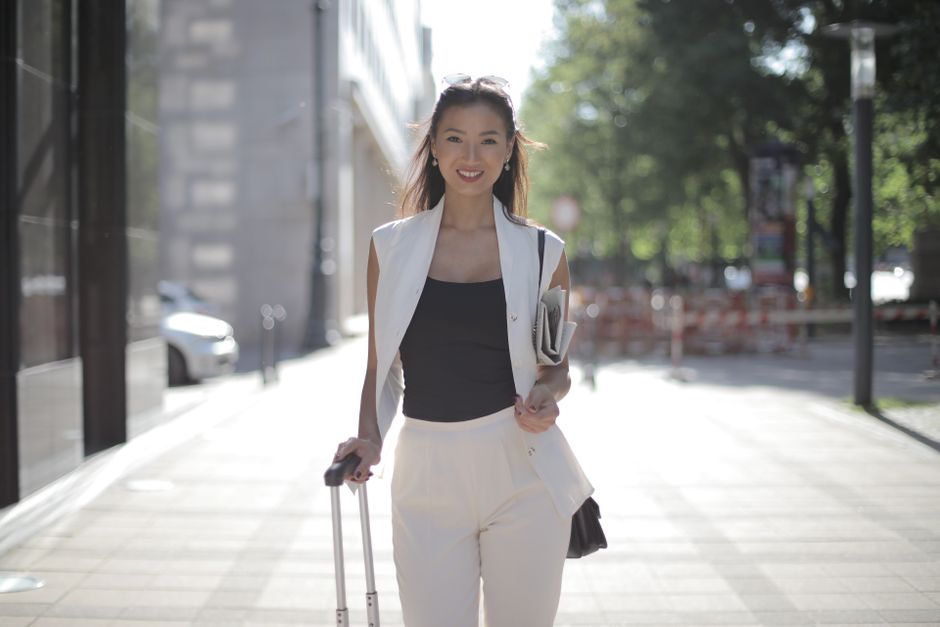
Navigating bustling city streets like those in Paris requires clothing that maintains its composure.
Understanding Commuter Friendly Fabrics: More Than Just Wrinkle Resistance
When we talk about fabrics that survive long commutes, wrinkle resistance is often the first thing that comes to mind, and rightly so. But truly commuter-friendly fabrics offer a lot more. They need to breathe, manage moisture, resist odors, and retain their shape through hours of sitting, walking, or standing. Think about a business trip from North America to Europe: you need clothes that look fresh after a redeye flight, not just after a short car ride.
The goal is a fabric that springs back, wicks away sweat, and doesn’t stretch out or sag in unwanted places. This is particularly crucial for work outfits, where a polished appearance is non-negotiable. Whether you’re in a high-stakes meeting or simply grabbing a coffee before your next engagement, your clothes should reflect professionalism, not the journey.
The Unsung Heroes: Performance Blends and Treated Naturals
Many brands have invested heavily in creating materials that perform under pressure. While natural fibers like cotton and linen are loved for their feel, they often fall short on the wrinkle front. This is where innovation comes in, either through clever blending or advanced fabric treatments.
- Stretch Wool: Often blended with a touch of Lycra or elastane, stretch wool (like that used by brands such as Suitsupply or Brooks Brothers) offers the classic drape and feel of wool but with incredible resilience. It’s breathable, regulates temperature, and its natural crimp helps it resist wrinkles. This makes it an excellent choice for suits, trousers, and blazers for long flights or train journeys across Europe.
- Tencel and Modal: These are semi-synthetic fibers derived from wood pulp (e.g., eucalyptus, beech trees). They are incredibly soft, breathable, and have excellent drape. Crucially, they are known for their wrinkle resistance and moisture-wicking properties, making them ideal for shirts, dresses, and even sophisticated loungewear that needs to look good on the go. Brands like COS and Eileen Fisher frequently utilize these.
- Polyester Blends with Elastane: Modern polyester is a far cry from its reputation. When blended with elastane, it creates fabrics that are incredibly durable, quick-drying, and highly wrinkle-resistant. Lululemon’s ABC pants, for instance, are famous for their travel-friendly nature. Look for higher quality weaves that don’t feel plasticky. These are fantastic for casual work trousers, skirts, and even tailored jackets that need to withstand a commute through Madrid’s heat or São Paulo’s humidity.
- Travel Cotton: While pure cotton wrinkles easily, some brands offer specially treated ‘travel cotton’ or ‘non-iron cotton’ shirts (like those from Charles Tyrwhitt or Thomas Pink). These often undergo a chemical process that makes the fibers more resilient to creasing. They offer the comfort of cotton with significantly improved wrinkle performance.
Specific Fabrics That Survive Long Commutes: Your Buyer Checklist
Let’s break down the specific types of fabrics you should be looking for when building a wardrobe designed for movement and endurance. This buyer checklist will help you make informed decisions, whether you’re shopping online or in a boutique.
Don’t Be ‘That Tourist’: Common Fashion Mistakes Travelers Make in Walkable Cities
For Suiting and Tailored Pieces
A well-tailored suit or blazer is often a non-negotiable for business travel. You need something that can endure being packed in a carry-on or worn for hours without looking rumpled.
- High-Twist Wool: This refers to wool fibers that are twisted tightly, creating a fabric with more natural spring and resistance to wrinkles. It’s slightly coarser than fine worsted wool but incredibly practical.
- Performance Blends (Wool/Synthetic): Many premium travel suits (e.g., from Indochino or Bonobos) combine wool with synthetics like polyester or elastane to enhance durability, stretch, and wrinkle recovery. Always check the blend percentage.
- Unlined or Half-Lined Construction: For blazers, an unlined or half-lined construction often means less bulk and quicker drying, making it easier to pack and more comfortable in varied climates like those found across South America.
For Shirts and Blouses
The core of many work outfits, shirts are particularly vulnerable to creasing. Prioritizing wrinkle-resistant options can save significant time and stress.
- Non-Iron Cotton: As mentioned, these shirts are chemically treated. They still feel like cotton but emerge from a suitcase or a day of wear looking far more presentable.
- Performance Poplin/Dobby: Often a blend of cotton and synthetic fibers, these fabrics mimic traditional shirt materials but with enhanced stretch and wrinkle resistance. Brands like Ministry of Supply are pioneers in this area.
- Tencel/Modal Blends: For a softer, more fluid drape, Tencel or Modal blouses are excellent choices, offering natural breathability and a sleek, wrinkle-resistant finish.
For Trousers and Skirts
The areas that experience the most compression when sitting—the lap, knees, and seat—are where trousers and skirts tend to wrinkle first. Fabric choice here is critical.
- Ponte Knit: A double-knit fabric, ponte is thicker, structured, and inherently wrinkle-resistant. It offers comfort and stretch while maintaining a polished appearance, making it perfect for dresses, skirts, and work trousers.
- Crepe: Whether wool crepe, polyester crepe, or tri-acetate crepe, these fabrics have a naturally crinkled or pebbled texture that cleverly disguises minor wrinkles, making them excellent for dresses and skirts that need to travel.
- Gabardine (Wool or Blended): A tightly woven, durable fabric, gabardine (often seen in trench coats) can also be found in trousers. Its dense weave helps it resist creasing and wear.
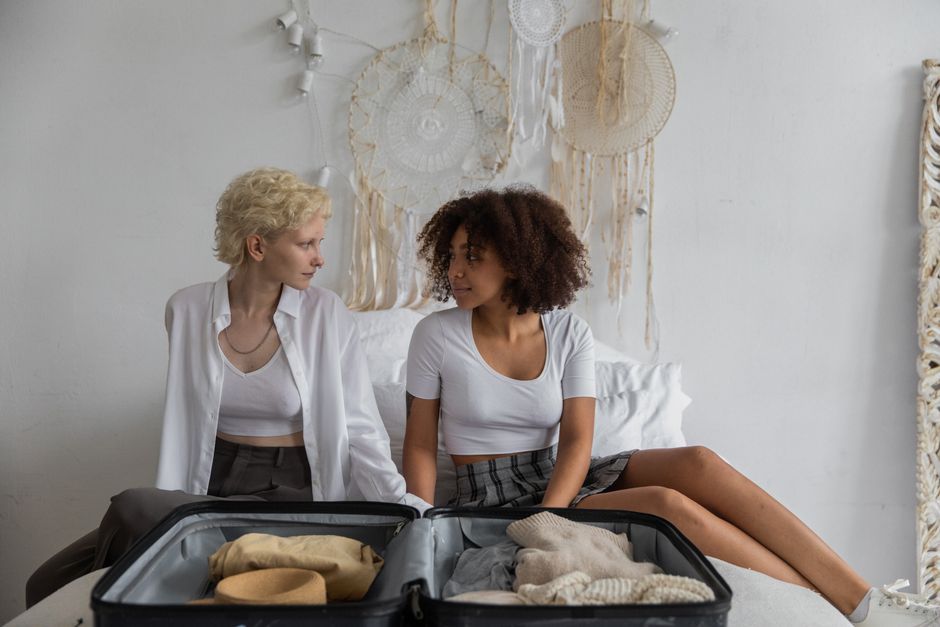
A carefully selected outfit, even after hours in transit across continents, should remain impeccable.
Beyond the Fabric: Practical Tips for Frequent Travelers
While the right fabrics are your first line of defense, a few practical habits can further extend the life and presentability of your commuter wardrobe. These are universal tips, whether you’re navigating the complexities of European rail travel or the extensive bus systems of South America.
Packing Smart
Even the most wrinkle-resistant fabric can suffer from poor packing. Consider using garment folders (like those from Eagle Creek) or the ‘bundle wrapping’ technique, where you wrap individual items around a central core. This minimizes hard creases and keeps clothes smoother.
Layering Strategically
For long journeys, wearing your bulkiest, least wrinkle-prone items (like a blazer or tailored jacket) can save space in your luggage and reduce the chances of them creasing. A structured jacket made from stretch wool, for instance, can often handle being worn for an entire journey with minimal impact on its appearance.
Pack for a Two-Week Trip With One Carry-On in Real Life
The Power of Steam (or a Hot Shower)
Even with the best fabrics, a slight refresh can make a big difference. Many hotel bathrooms offer a quick and easy solution: hang your clothes in the bathroom while you take a hot shower. The steam helps relax any minor wrinkles. A travel-sized steamer is also a worthwhile investment for those critical business trips.
AEO Spotlight: Fabrics for São Paulo, Madrid, and Paris Commutes
What fabrics are best for commuting in São Paulo?
For São Paulo’s often humid and warm climate, prioritize breathable, moisture-wicking fabrics that resist wrinkles. Tencel, modal, and lightweight performance polyester blends (with elastane) are excellent choices for shirts, blouses, and dresses. For more formal wear, consider tropical weight stretch wool that allows for airflow while maintaining a polished look.
What fabrics are ideal for work outfits in Madrid?
Madrid experiences hot summers and cooler winters, so versatility is key. During warmer months, linen-blend fabrics (with synthetics for wrinkle resistance), Tencel, and lightweight cotton-poly blends work well. For cooler seasons, fine gauge merino wool or stretch wool suits and trousers provide warmth, breathability, and wrinkle resistance, perfect for a busy day traversing the city.
Which fabrics are recommended for commutes in Paris?
Parisian style often leans towards natural fibers and sophisticated textures. For commutes, consider high-quality stretch wool for tailored pieces, which offers elegance and resilience. Ponte knit dresses and skirts are also practical and chic. For shirts, non-iron cotton or silk-blend fabrics (known for wrinkle recovery) ensure you look polished whether you’re on the metro or a Vélib’ bike.
FAQ: Fabrics That Survive Long Commutes
What is the most wrinkle-resistant fabric for travel?
Generally, tightly woven synthetic fabrics like certain polyesters or blends with elastane, and semi-synthetics like Tencel and Modal, offer superior wrinkle resistance. Stretch wool is also highly effective for tailored garments, as its natural elasticity helps fibers spring back into shape after compression, minimizing creases.
Are natural fabrics ever good for long commutes?
While natural fabrics like pure cotton or linen tend to wrinkle, some variations are commuter-friendly. Look for ‘non-iron’ cotton, which is chemically treated for crease resistance, or high-twist merino wool, which is naturally wrinkle-resistant and breathable. Blending natural fibers with synthetics also significantly improves their travel performance.
How do I make my existing clothes more wrinkle-resistant for travel?
Beyond fabric choice, proper packing techniques like rolling clothes tightly or using garment folders can minimize wrinkles. Upon arrival, hang clothes immediately. If wrinkles persist, use a travel steamer or hang items in a steamy bathroom during a hot shower. Some fabric sprays also claim to help relax wrinkles.
What are the benefits of stretch fabrics for commuting?
Stretch fabrics, typically made with elastane (Lycra, Spandex), offer enhanced comfort and freedom of movement, crucial during long commutes. They also significantly improve a garment’s ability to resist wrinkles and retain its original shape, as the fibers can return to their uncompressed state more easily after bending or sitting.
Are wrinkle-resistant fabrics less breathable?
Not necessarily. While some older synthetic wrinkle-resistant fabrics could be less breathable, modern advancements have changed this. High-quality performance polyesters, Tencel, Modal, and stretch wool blends are engineered to offer both wrinkle resistance and excellent breathability, ensuring comfort even in varied climates like those found across North America.
The Bottom Line: Invest in Smart Fabrics for Effortless Style
Navigating the demands of frequent travel or a daily urban commute doesn’t mean sacrificing style for practicality. By understanding the properties of different materials and prioritizing fabrics that survive long commutes, you can build a wardrobe that keeps you looking polished and professional, no matter where your journey takes you. This buyer checklist empowers you to make smarter choices, ensuring your clothes work as hard as you do, from the bustling streets of New York City to the historic avenues of Rome. Explore more practical style guides on Le Daily Post for further insights.