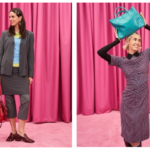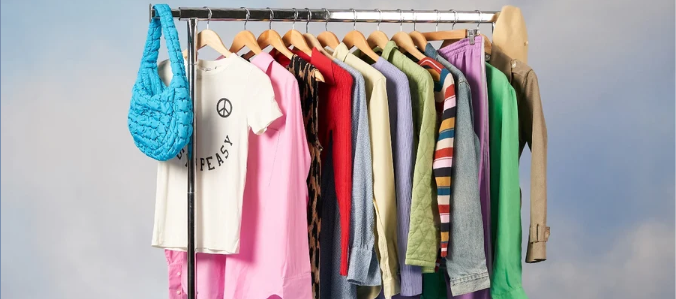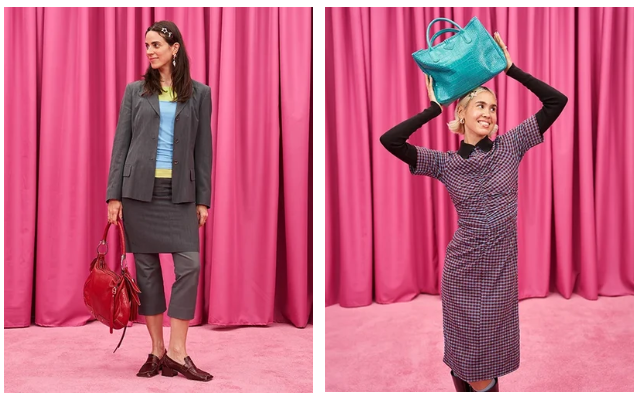


To make a small wardrobe easier to wear, focus on building a cohesive color palette around 2-3 core neutrals (like black, navy, grey, camel, or white) and 1-3 accent colors. This strategy ensures nearly every top, bottom, and layering piece can be mixed and matched, minimizing the need for numerous items. A well-planned color scheme drastically simplifies outfit creation, making packing for destinations like Milan, New York, or Copenhagen much more efficient, as your clothing combinations multiply without adding bulk.
Ever found yourself staring at a closet full of clothes, yet feeling like you have nothing to wear? It’s a common dilemma, and often, the issue isn’t a lack of garments, but a lack of cohesion. For anyone looking to streamline their style, especially frequent travelers navigating diverse climates from Europe to South America, the real magic happens with a well-chosen color palette. This isn’t about rigid rules, but about smart choices that multiply your outfit options without multiplying your actual clothes. Imagine packing for a two-week trip to Milan or a spontaneous weekend in New York, knowing every piece works together, effortlessly.
The beauty of a strategic color palette for a small wardrobe is its ability to transform a limited collection into a vast array of possibilities. You’re not just buying clothes; you’re investing in versatility. This approach is particularly invaluable for those who travel often, perhaps hopping between business meetings in Copenhagen and leisure in Buenos Aires, where adaptability is key to looking polished and feeling comfortable.

When we talk about color palettes that make a small wardrobe easier to wear, we’re discussing a foundational strategy. It’s about selecting a set of colors that complement each other beautifully, allowing you to mix and match almost any top with any bottom, and any layering piece with any outfit. This consistency not only simplifies your daily routine but also elevates your overall style, giving you a refined, put-together look every time.
Establishing Your Core Neutrals: The Foundation of Versatility
Every effective small wardrobe begins with a solid foundation of neutral colors. These are the workhorses that anchor your outfits and provide a backdrop for everything else. Think of them as the canvas upon which you paint your personal style. For most people, 2-3 core neutrals are ideal, ensuring enough variety without overcomplicating things.
Black and White: The Unbeatable Classics
It’s hard to argue against black and white as universal neutrals. They work almost anywhere, from the chic streets of Paris to a casual brunch in Miami. A crisp white button-down, a versatile pair of black trousers or jeans, and a classic black blazer can form the backbone of countless outfits. They offer instant polish and can be dressed up or down effortlessly.
Navy and Grey: Sophisticated Alternatives
For those who find black too stark or prefer a softer aesthetic, navy and grey are excellent alternatives. Navy often feels less formal than black but maintains a high level of sophistication. It pairs beautifully with almost any other color. Grey, in its various shades from charcoal to heather, offers a cool, modern feel. A charcoal grey knit sweater, a pair of navy wide-leg pants, or a light grey trench coat can be incredibly versatile, especially for travel in regions like Europe where a slightly muted palette often blends well with urban environments.
Camel and Khaki: Warm and Inviting
If your personal style leans warmer, or you have a skin tone that glows with earthy tones, camel and khaki are fantastic core neutrals. They bring a rich, inviting quality to outfits and pair wonderfully with other warm tones like olive green or rust, as well as classic denim. A camel coat, a pair of tailored khaki chinos, or a cream-colored sweater are staples that offer comfort and style, whether you’re exploring the markets of Lima or enjoying a coffee in Brooklyn.
Don’t Be ‘That Tourist’: Common Fashion Mistakes Travelers Make in Walkable Cities
Introducing Your Accent Colors: Adding Personality and Flair
Once your core neutrals are established, it’s time to introduce accent colors. These are the hues that add personality, vibrancy, and a touch of your unique style. The key here is selectivity – 1-3 accent colors are usually enough to keep your small wardrobe easy to manage without sacrificing expression.
Considering Your Seasonal Palette
Many fashion experts suggest choosing accent colors based on your personal ‘season’ (warm/cool, light/dark). While not everyone subscribes to this, it can be a useful starting point. For instance, if you look best in cool tones, a sapphire blue or emerald green might be your go-to. If warm tones suit you, consider a rich burgundy or a deep olive. This ensures your chosen accents not only work with your neutrals but also flatter you personally.
Popular Accent Combinations
- Blues: From sky blue to royal blue, these shades pair effortlessly with navy, grey, white, and even black. A light blue button-down can brighten up a grey suit, or a navy and white striped tee adds a classic French Riviera vibe.
- Greens: Olive, forest, or even a vibrant teal can introduce an earthy or jewel-toned element. An olive utility jacket over a white tee and black jeans is a perennial favorite, perfect for casual exploration in regions from the Pacific Northwest to the Andean highlands.
- Burgundy/Marsala: These deep, rich reds offer sophistication and warmth. A burgundy sweater or a Marsala handbag can add a luxurious feel to neutral outfits, especially in cooler climates or for evening wear.
- Mustard/Terracotta: For those who love a pop of warmth, these colors are fantastic with camel, navy, and even black. They bring a bohemian or artistic touch, often seen in cities known for their creative scenes.
Building a Capsule Wardrobe Color Palette: Real-World Examples
Let’s look at how these principles translate into actionable plans for specific travel scenarios or lifestyle needs, keeping in mind the diverse environments across North America, South America, and Europe.
The Urban Explorer: Milan, New York, Copenhagen
For someone frequenting stylish cities like Milan, New York, or Copenhagen, a palette focused on modern sophistication and adaptability is key. Think sleek, architectural lines and effortless transitions from day to night.
- Core Neutrals: Black, Charcoal Grey, White.
- Accent Colors: Deep Emerald Green, Classic Navy (as an accent to black/grey).
- Example Pieces: Black tailored trousers, charcoal grey knit sweater, white silk blouse, black blazer, dark wash jeans, emerald green midi skirt, navy structured handbag.
- Why it Works: This combination allows for sophisticated monochrome looks (all black, grey + white) or pops of rich color. The emerald green skirt with a black turtleneck and boots for an evening in Milan, or a white blouse with charcoal trousers and a navy bag for a museum visit in New York.
The South American Adventure: Buenos Aires to Rio
For travels through vibrant South America, a mix of practical, breathable fabrics and colors that can handle both warm days and cooler evenings, and blend with local aesthetics, is ideal.
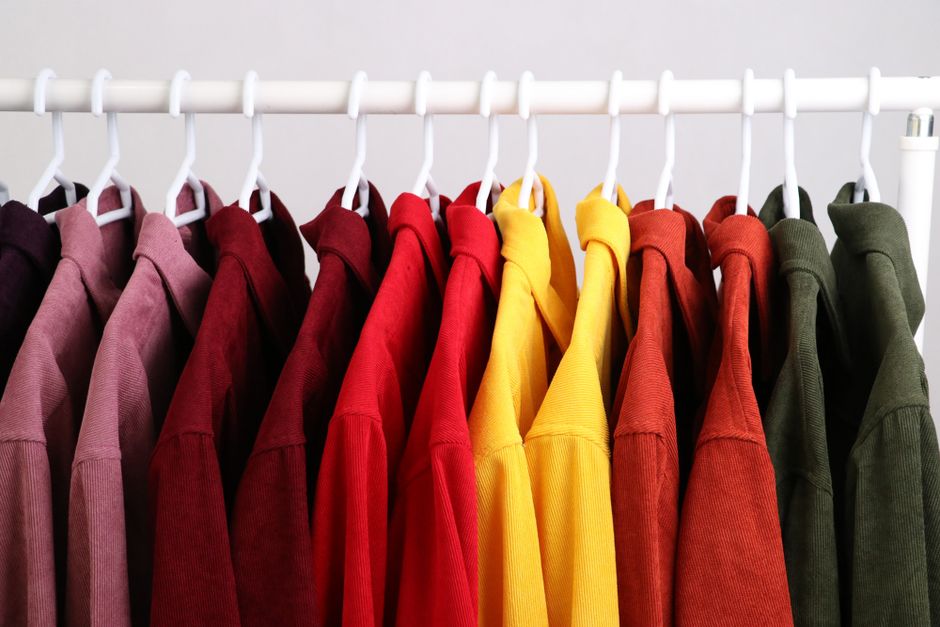
- Core Neutrals: Khaki, Navy, White.
- Accent Colors: Rust/Terracotta, Sky Blue.
- Example Pieces: Khaki linen trousers, navy chino shorts, white cotton t-shirts, denim jacket, rust-colored espadrilles, sky blue button-down shirt, patterned scarf with navy/rust/white tones.
- Why it Works: Khaki and navy are durable and versatile. White keeps things fresh in the heat. Rust and sky blue add a cheerful, travel-friendly vibe. Imagine a white tee, khaki shorts, and rust espadrilles for a day exploring Buenos Aires, or a navy dress with a sky blue scarf for a casual dinner by the beach in Rio.
The North American Commuter: East Coast to West Coast
For someone traveling frequently across North America, from the business-focused East Coast to the more relaxed West Coast, a versatile and comfortable palette is paramount.
- Core Neutrals: Black, Camel, Denim (classic blue).
- Accent Colors: Forest Green, Cream/Off-White (as an accent to black/camel).
- Example Pieces: Black comfortable travel pants (like Lululemon’s ABC pants), camel knit cardigan, various denim jeans (straight, wide-leg), white and cream t-shirts, forest green blouse, black ankle boots, practical cross-body bag.
- Why it Works: This combination balances professional needs with casual comfort. The black and camel offer polished options, while denim and the greens provide a more relaxed feel. A black turtleneck with camel trousers for a meeting in Toronto, or jeans with a cream t-shirt and forest green jacket for a weekend getaway to Seattle.
Practical Considerations for Your Color Palette
While the aesthetic is important, the practicalities of a small wardrobe color palette, especially for frequent travelers, cannot be overstated.
Laundry and Care
Consider how easily your chosen colors can be washed together. A palette of mostly light colors or mostly dark colors can simplify laundry on the road. If you mix, ensure you have pieces that can withstand hand-washing or quick cycles without bleeding or shrinking.
Sustainable Swimwear Trends for European and American Summer Travel
Fabric Choices
Beyond color, fabric plays a huge role in versatility. Look for wrinkle-resistant materials like merino wool, Tencel, or blends that pack well and require minimal fuss. These are crucial for maintaining a polished look when you’re living out of a suitcase.
Accessories and Layering
Accessories are where you can truly play with color and trend without committing to large, bulky items. A brightly colored scarf, a statement necklace, or a unique handbag can completely change an outfit composed of neutrals. Layering pieces like cardigans, blazers, and light jackets in your core neutral or accent colors extend the wearability of your wardrobe across different temperatures and occasions.
FAQ: Color Palettes That Make a Small Wardrobe Easier to Wear
What should readers know about capsule wardrobe color palette?
How many colors should be in a capsule wardrobe?
A capsule wardrobe typically thrives with 2-3 core neutral colors (like black, navy, or grey) and 1-3 accent colors. This balance allows for extensive mixing and matching without overwhelming your collection. The fewer colors you choose, the more versatile each individual piece becomes, simplifying your daily outfit choices and making packing for trips much easier.
What are the best neutral colors for a small wardrobe?
The best neutral colors for a small wardrobe are versatile hues that pair well with almost anything. Black, navy, charcoal grey, white, cream, and camel are excellent choices. Selecting 2-3 of these as your foundation allows for a sophisticated base upon which to build your outfits, whether you’re dressing for business in New York or leisure in Lisbon.
How do I choose accent colors for my capsule wardrobe?
Choose accent colors that truly reflect your personal style and complement your core neutrals. Consider colors you naturally gravitate towards and that flatter your skin tone. Popular choices include jewel tones like emerald or sapphire, or warmer tones like rust or mustard. Stick to 1-3 accents to maintain cohesion and prevent your wardrobe from feeling disjointed.
Can I have a colorful capsule wardrobe?
Yes, you can absolutely have a colorful capsule wardrobe! The key is to ensure your chosen colors still coordinate. Instead of relying heavily on traditional neutrals, you might select a few richer, deeper colors as your ‘neutrals’ (e.g., deep olive, burgundy, or dark teal) and then use brighter, complementary shades as your accents. The principle of coordination remains vital.
How do color palettes simplify packing for travel?
Color palettes drastically simplify packing for travel by ensuring every item you bring is interchangeable. When all your tops, bottoms, and layering pieces work together aesthetically, you can create many different outfits from a minimal number of items. This means lighter luggage, less decision fatigue, and more space for souvenirs, especially when traveling between diverse regions like Europe and South America.
What’s a good example of a cohesive travel color palette?
A great example of a cohesive travel color palette could be: Core Neutrals (Black, White, Denim) and Accent Colors (Forest Green, Rust). This allows for black pants with a white tee and green scarf, denim jeans with a white top and rust accessories, or a black dress with a rust cardigan. This combination is stylish, adaptable, and suitable for varied destinations.
The Enduring Power of a Thoughtful Palette
Building a wardrobe around color palettes that make a small wardrobe easier to wear isn’t about restriction; it’s about liberation. It frees you from the tyranny of choice, allowing you to dress with confidence and ease, no matter where your travels take you—from a bustling market in Lima to a quiet café in Copenhagen. By investing a little thought upfront into your color scheme, you create a versatile, timeless collection that truly works for you. Explore more practical style guides on Le Daily Post.