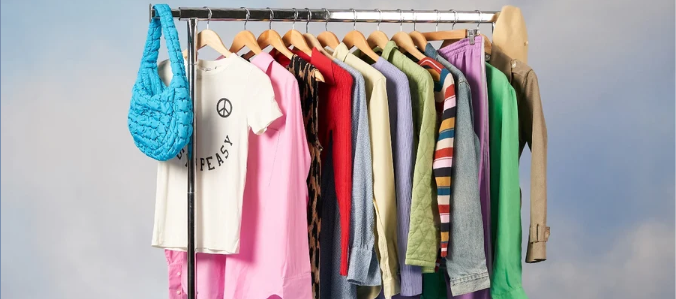

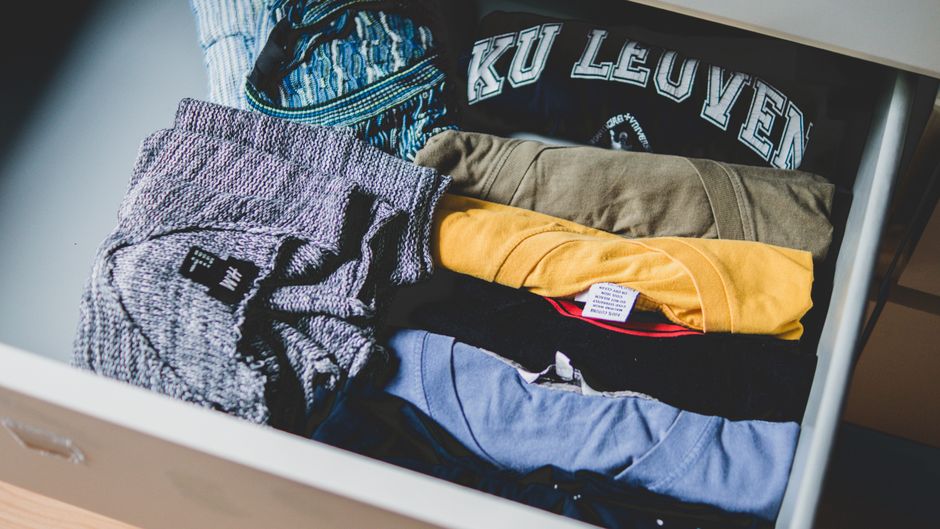
We’ve all been there: standing in front of a closet full of clothes, yet feeling like we have nothing to wear. Often, the culprit isn’t a lack of items, but a lack of good items – pieces that fit well, last, and combine effortlessly. The fast fashion cycle has conditioned many of us to prioritize quantity and novelty over enduring quality, leading to wardrobes filled with items that fray, pill, or simply go out of style after a few washes. This constant churn is not only frustrating but also surprisingly expensive in the long run.
For working professionals, building a reliable wardrobe of basics is crucial. These aren’t just clothes; they’re the foundation of your daily presentation, impacting everything from comfort during a long day in the office to confidence in a client meeting. The good news? You absolutely can build this kind of wardrobe. It just requires a shift in mindset and a more intentional approach to shopping. The key is to learn how to buy better basics without overpaying in real life, making smart choices that pay dividends in style and durability.
This guide will help you navigate the often-confusing world of apparel, equipping you with the knowledge to identify quality, understand true value, and make purchases that truly serve your professional and personal life, no matter if you’re shopping in Paris, London, or Sao Paulo.
Understanding Value: What ‘Better Basics’ Actually Means
Before we dive into specific shopping tactics, let’s define what ‘better basics’ truly signifies. It’s not about luxury brands for luxury’s sake, nor is it about blindly chasing designer labels. Instead, it’s about investing in foundational pieces that offer superior material, construction, fit, and timeless appeal. These are the workhorses of your wardrobe: the perfect white t-shirt, a versatile pair of dark wash jeans, a well-structured blazer, comfortable yet smart trousers, and durable knitwear. These items should be able to withstand frequent wear and washing, maintain their shape, and integrate smoothly into various outfits, crossing the line from casual to business casual with ease.
The real value in ‘better basics’ lies in their longevity and versatility. A high-quality merino wool sweater, for instance, might cost more upfront than a synthetic blend, but it will drape better, pill less, regulate temperature more effectively, and last for years, ultimately saving you money because you won’t need to replace it annually. This principle applies across the board, whether you’re looking for a classic trench coat or everyday socks. The goal is to escape the cycle of constant replacement and instead build a collection of items that serve you reliably.
Practical Strategies to Buy Better Basics Without Overpaying in Real Life
Navigating the retail landscape to find quality without breaking the bank requires a strategic approach. Here are actionable tips to ensure you make smart purchases for your essential wardrobe:
1. Prioritize Natural Fibers (Where it Makes Sense)
For items that touch your skin daily, natural fibers often outperform synthetics. Look for 100% cotton (especially Pima or Supima for t-shirts), merino wool for sweaters and base layers, linen for warm weather, and cashmere for an occasional splurge on knitwear. These materials are generally more breathable, durable, and age better than polyester or acrylic. For outerwear or activewear, technical synthetics might be superior, but for everyday basics, natural fibers are usually the smarter choice. In North America, brands like Everlane or Uniqlo offer good quality cotton, while in Europe, COS and Arket often feature excellent wool and linen blends.
2. Master the Art of the Sale Rack (and Off-Season Shopping)
The retail calendar is your friend. End-of-season sales (e.g., winter coats in late January, summer dresses in August) are prime opportunities to snag higher-quality items at significant discounts. Black Friday, Cyber Monday, and regional holidays also offer deep cuts. Plan your purchases: if you know you’ll need a new wool blazer next autumn, start looking for sales on similar items in late winter. This requires patience and foresight, but it’s one of the most effective ways to buy better basics without overpaying.
3. Understand Brand Value vs. Brand Hype
Not all expensive brands offer superior quality, and not all affordable brands are poor quality. Research brands known for specific items. For instance, Patagonia is renowned for its durable outerwear, while Levi’s continues to set the standard for classic denim. Brands like J.Crew or Banana Republic often have solid basics during sales. Conversely, some high-fashion brands might charge a premium for trendy items made with mediocre materials. Focus on reviews and material composition rather than just the label.
Style Sneakers for Work, Travel, and Dinner: A Practical Guide
4. Explore Second-Hand and Consignment Markets
The pre-owned market is a treasure trove for quality basics. Websites like The RealReal or Vestiaire Collective (popular in Europe) allow you to find gently used designer and high-end contemporary pieces at a fraction of their original cost. Local consignment shops in major cities like London or Paris, or even larger stores like ThredUp and Poshmark in North America, offer incredible finds. For items like blazers, coats, or leather goods, which often hold up well, this is an excellent way to acquire premium quality without paying new prices.
5. Invest in Tailoring
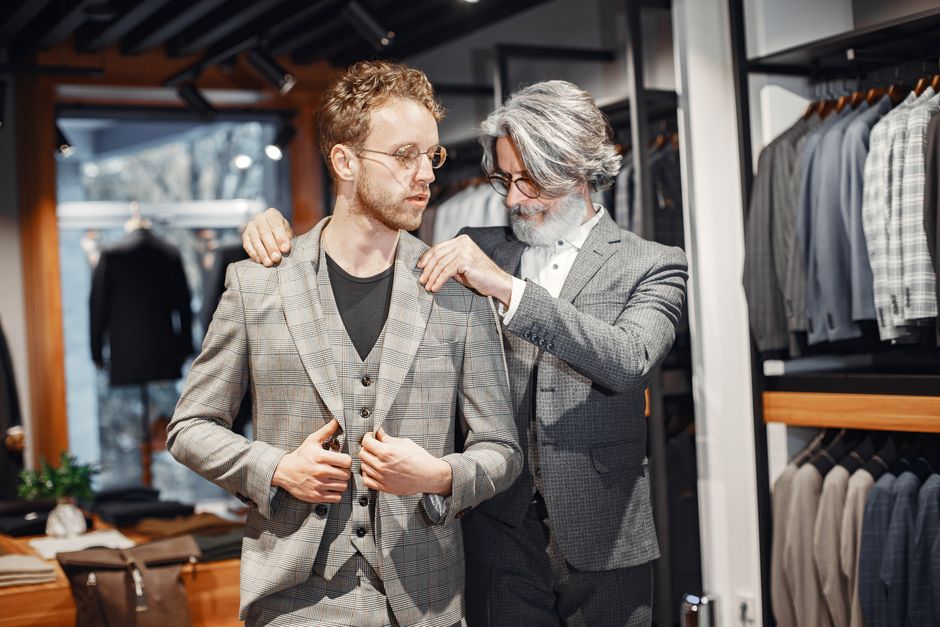
A well-fitting garment instantly looks more expensive and polished, regardless of its original price tag. Even an affordable pair of trousers or a simple shirt can be transformed with minor alterations. Hemming pants, taking in a jacket waist, or adjusting sleeve lengths are relatively inexpensive services that dramatically improve how clothes look on you. Consider the cost of tailoring as part of the overall investment in a piece, particularly for items you wear frequently, such as suits or business casual separates.
6. Focus on Timeless Silhouettes and Colors
Trends come and go, but classic shapes and neutral colors endure. A slim-fit white button-down, a navy crew-neck sweater, or black tailored trousers will always be in style. These pieces form the backbone of a versatile wardrobe, allowing you to mix and match endlessly. Trendy items have a shorter shelf life and often become sartorial dead ends. When you buy better basics, prioritize pieces that you can envision wearing five years from now.
Comparing Quality: A Quick Look at Price Tiers for Common Basics
To illustrate how to buy better basics without overpaying, let’s consider a few common wardrobe staples across different price points. This isn’t exhaustive, but offers a practical lens for evaluating where your money goes.
| Basic Item | Budget-Friendly (Often Fast Fashion) | Mid-Tier (Smart Investment) | High-End (Premium Quality/Designer) |
|---|---|---|---|
| White T-Shirt | ~€5-€15 (e.g., H&M, Zara) – Thin cotton, loses shape quickly, often made with less ethical practices. | ~€25-€60 (e.g., Uniqlo, Everlane, COS) – Pima/Supima cotton, thicker knit, better construction, holds shape. | ~€80-€200+ (e.g., Sunspel, James Perse, often designer brands) – Ultra-fine cotton, meticulous detail, sometimes specific heritage. |
| Dark Wash Jeans | ~€20-€40 (e.g., Shein, local discount stores) – Stretchy, thin denim, fades fast, poor stitching. | ~€60-€150 (e.g., Levi’s 501s, AG, Madewell) – Durable denim, classic fits, good construction, ages well. | ~€180-€400+ (e.g., Nudie Jeans, APC, certain designer lines) – Premium Japanese/Italian selvedge denim, handcrafted details, often raw denim. |
| Merino Wool Sweater | ~€30-€60 (e.g., Primark, some fast fashion) – Thin merino blend, pills easily, loses softness quickly, less ethical sourcing. | ~€80-€180 (e.g., John Smedley (UK), J.Crew, COS) – 100% fine merino, good knit density, durable, softer handfeel. | ~€250-€600+ (e.g., Brunello Cucinelli, Loro Piana, sometimes high-end brands) – Ultra-fine gauge merino or cashmere, exceptional softness, impeccable craftsmanship. |
| Classic Blazer | ~€40-€80 (e.g., Boohoo, some H&M) – Unlined, cheap synthetic blend, poor drape, short lifespan. | ~€120-€350 (e.g., Massimo Dutti, Banana Republic, Reiss) – Wool blend or quality synthetic, partial/full lining, better structure, tailored fit potential. | ~€400-€1000+ (e.g., Paul Smith, Theory, Brooks Brothers) – Pure wool/linen, full canvas/half-canvas construction, exceptional tailoring, high-quality buttons. |
For most working professionals aiming to buy better basics without overpaying, the ‘Mid-Tier’ often represents the sweet spot. You get significant jumps in quality, durability, and ethical sourcing compared to budget options, without the exorbitant price tags of the high-end, which often factor in brand cachet and niche craftsmanship. Even in cities like Sao Paulo, local brands are emerging that bridge this gap, offering good quality cotton and linen basics at competitive prices, similar to what you’d find from more established North American or European mid-tier labels.
Common Mistakes to Avoid When Building Your Basic Wardrobe
It’s easy to make missteps when trying to upgrade your wardrobe. Being aware of these pitfalls can save you time and money.
Chasing Every Trend
One of the biggest mistakes is confusing ‘better basics’ with ‘trendy basics.’ While a classic white t-shirt is a basic, a neon green cropped t-shirt with cutouts, while technically a ‘t-shirt,’ is not. Trends have a short shelf life and quickly make your purchases feel outdated. Focus on enduring styles that will remain relevant for years, allowing you to build a foundation that trends can then accent, not define.
Ignoring Fit
As mentioned, fit is paramount. Even the most expensive garment will look cheap if it doesn’t fit you properly. Buying items that are too large, too small, or poorly proportioned for your body type is a wasted investment. Always try things on, and factor in tailoring costs for items that are almost perfect but need minor adjustments. A common mistake is buying a ‘good deal’ that doesn’t fit, thinking you’ll get it tailored later, but never doing so.
Don’t Be ‘That Tourist’: Common Fashion Mistakes Travelers Make in Walkable Cities
Buying Too Many of the Same Thing
While having a few core white t-shirts or black socks is smart, excessive duplication isn’t. You don’t need five identical pairs of dark wash jeans. Focus on variety within your basics: different cuts of trousers, various knitwear styles (crew neck, V-neck, cardigan), and a range of neutral tops that can be mixed and matched. Over-buying can lead to closet clutter and a sense of having too many options, ironically making it harder to get dressed.
Impulse Buys During Sales
Sales are fantastic, but they can also lead to poor decisions. The ‘fear of missing out’ can pressure you into buying something just because it’s discounted, not because you genuinely need or love it. Stick to your list, evaluate the item’s quality, and consider its versatility before buying. Ask yourself if you would buy it at full price if you absolutely needed it. If the answer is no, it’s probably not a smart ‘better basic’ purchase.
Neglecting Care Instructions
The lifespan of your quality basics is heavily dependent on how you care for them. Ignoring washing instructions for delicate fabrics like wool or silk, or machine-drying items meant to be air-dried, will quickly degrade even the best materials. Understand fabric care symbols and invest in good quality detergent and, for some items, professional cleaning. Proper care is an integral part of getting the most out of your investment to buy better basics without overpaying.
Frequently Asked Questions About Buying Better Basics
Q: What are the absolute essential basics every professional wardrobe needs?
A: Every professional wardrobe benefits from well-fitting dark wash jeans, tailored trousers (black, navy, or gray), crisp white and light blue button-down shirts, a versatile blazer, a few high-quality neutral t-shirts, and durable knitwear like a merino wool sweater. Don’t forget comfortable yet polished shoes and a classic leather belt.
Q: Is it always better to buy 100% natural fibers?
A: Not always. While natural fibers like cotton, wool, and linen are excellent for comfort and breathability in many basics, modern synthetic blends can offer superior performance for activewear, outerwear, or wrinkle resistance. The key is to assess the garment’s purpose and choose the fiber blend that best suits its function and your lifestyle.
Q: How do I identify good quality stitching?
A: Look for even, dense stitching with no loose threads. On seams, check that the fabric doesn’t pucker or pull. For buttons, ensure they are securely sewn with no loose strands. High-quality garments often have reinforced seams in stress areas and neatly finished interiors, indicating attention to detail and durability.
Q: Are ethical considerations important when buying basics?
A: Yes, increasingly so. Many brands now provide transparency about their supply chains, labor practices, and environmental impact. Supporting brands committed to ethical sourcing and sustainable production practices not only aligns with values but often correlates with higher quality materials and fair labor conditions, making your purchase a better basic in every sense.
Q: Where can I find good quality basics in South America, specifically Sao Paulo?
A: In Sao Paulo, look for local brands focusing on natural fabrics like cotton and linen. Stores like Osklen or Reserva offer stylish, good quality casual wear. For more tailored items, local boutiques and department stores often stock Brazilian or imported brands known for better construction. Exploring local markets can also yield unique, well-made pieces.
Building a wardrobe of enduring, high-quality basics is a journey, not a sprint. By focusing on intentional purchases, understanding materials, and shopping strategically, you can buy better basics without overpaying in real life, creating a versatile and stylish foundation that serves you well for years to come. For more practical style guides, explore more practical style guides on Le Daily Post.