
There’s a specific kind of satisfaction that comes from finding a truly exceptional piece of clothing secondhand. It’s not just about the savings, though that’s certainly a perk. It’s about the hunt, the discovery, and the knowledge that you’ve snagged something with character, something that tells a story, rather than just another item from a fast-fashion rack. Many seasoned shoppers know that building a resilient, stylish wardrobe doesn’t require a bottomless budget; it requires an eye for quality and a smart approach to sourcing.
For years, the secret to a distinctive personal style often lay hidden in the quiet corners of consignment stores or the bustling aisles of a charity shop. These aren’t just places to offload unwanted clothes; they are treasure troves for those who understand how to navigate them. The key isn’t simply buying used clothes; it’s about employing effective secondhand shopping strategies for better wardrobe staples—pieces that will anchor your style for seasons to come.
This approach transforms a simple shopping trip into a thoughtful investment in your personal style and the planet. It’s about curating, not just consuming. For many, this means a shift in mindset, moving away from impulse buys towards intentional acquisitions that build a cohesive and lasting collection.
Why Embrace Secondhand for Your Core Wardrobe?
The allure of secondhand shopping extends far beyond mere cost savings, though saving money on quality items is undeniably a major draw for budget-aware shoppers. When you focus your secondhand shopping strategies for better wardrobe staples, you’re investing in durability and often, superior craftsmanship that’s increasingly hard to find in new, affordably priced clothing. Think about it: many items that survive years of wear and end up in a vintage shop were likely made with better materials and construction techniques than their modern counterparts. This is particularly true for items manufactured before the peak of fast fashion in the early 2000s.
Beyond quality, there’s the significant environmental benefit. Choosing pre-owned items drastically reduces your carbon footprint, conserves water, and lessens textile waste destined for landfills. It’s a tangible step towards a more sustainable lifestyle. Plus, it offers a unique opportunity to find distinctive pieces that set your style apart. You’re far less likely to see someone else wearing the exact same unique vintage leather jacket or perfectly tailored wool coat.
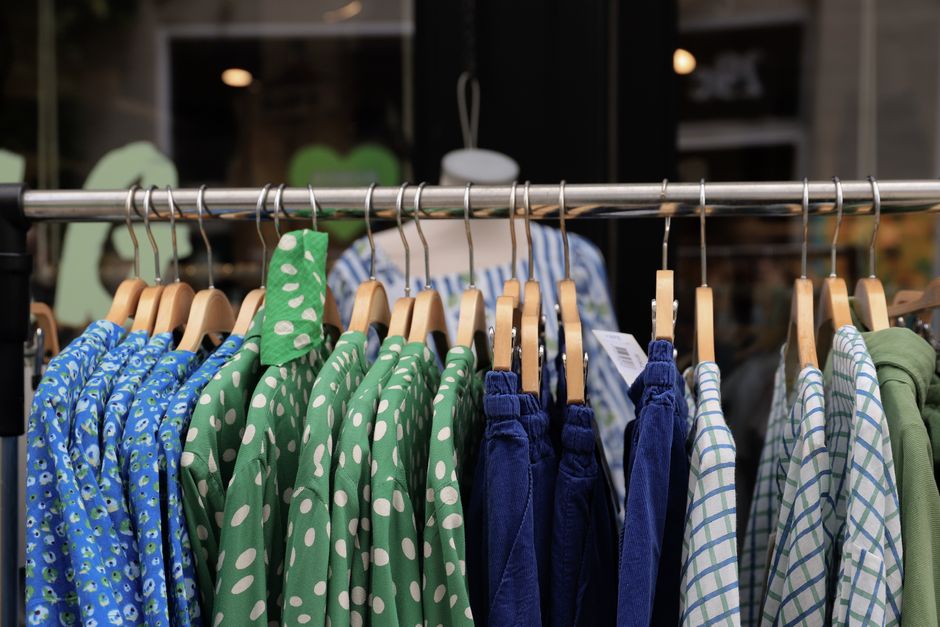
A vibrant street market in Copenhagen, bustling with shoppers exploring vintage and secondhand clothing stalls under bright daylight.
Mastering Your Secondhand Shopping Strategies for Better Wardrobe Staples
Building a high-quality, sustainable wardrobe through secondhand finds is an art form. It requires patience, an understanding of materials, and a clear vision of what you need. Here are some actionable tips:
1. Know Your Fabrics and Construction
Before you even step into a store, educate yourself on quality materials. Look for natural fibers like wool, cashmere, linen, silk, and cotton. These materials not only last longer but often feel better and breathe more effectively than synthetics. Inspect seams: are they straight and sturdy? Are buttons securely sewn on? Check zippers for smooth operation. A well-made garment, even if pre-loved, will show fewer signs of wear in its fundamental construction.
2. Focus on Classics, Not Trends
Trends fade, but true wardrobe staples endure. Think trench coats, well-fitting denim jeans (Levi’s, Wrangler, Lee often hold up exceptionally well), classic button-down shirts, tailored blazers, and simple knitwear. These items form the backbone of any versatile wardrobe and are excellent candidates for secondhand acquisition because their value isn’t tied to fleeting fashion cycles.
Sustainable Swimwear Trends for European and American Summer Travel
3. The Power of a Good Tailor
Don’t dismiss an otherwise perfect piece just because it’s a size too big or the sleeves are too long. A skilled tailor can transform an ‘almost’ into a ‘perfect fit’ for a fraction of the cost of a new, custom garment. This is especially true for items like wool coats, suits, or classic trousers. Consider the cost of alterations when budgeting for your secondhand finds.
4. Shop with a List and a Vision
Avoid impulse buys. Go in with a clear idea of what you’re looking for to fill gaps in your existing wardrobe. Do you need a versatile black blazer? A pair of comfortable, durable jeans? A timeless silk blouse? A list helps you stay focused and prevents you from accumulating items you don’t truly need, which defeats the purpose of sustainable shopping.
5. Explore Diverse Shopping Venues
Your hunting grounds will vary significantly by location. In Europe, cities like Copenhagen boast numerous high-end consignment stores and vintage boutiques known for Scandinavian design, while markets in places like Milan offer sophisticated finds. In North America, Toronto offers a solid vintage scene from Kensington Market’s eclectic mix to more curated shops in Leslieville. South America also has a burgeoning secondhand market, with flea markets in Buenos Aires or São Paulo providing unique local finds. Online platforms like Vestiaire Collective, The RealReal, and thredUP also connect you to a global inventory of pre-owned luxury and everyday wear.
6. Inspect Thoroughly (The ‘Sniff and Scan’ Method)
Before committing, always inspect garments carefully. Look for stains, tears, missing buttons, or broken zippers. Check underarms and collars for discoloration. Don’t be shy about giving it a gentle sniff – a persistent musty or smoke odor can be difficult to remove. Natural light is your best friend for spotting imperfections.
7. Consider the Season (and Off-Season Deals)
Smart shoppers look for winter coats in the spring and summer dresses in the fall. Stores often clear out seasonal inventory, even secondhand shops, making off-season shopping a fantastic strategy for snagging quality items at even lower prices. This requires a bit of foresight but pays dividends.
Where to Hunt: From Local Gems to Digital Aisles
The landscape of secondhand shopping is incredibly diverse, offering options for every type of shopper and budget. Understanding the differences can significantly improve your secondhand shopping strategies for better wardrobe staples.
| Type of Venue | Pros | Cons | Best For |
|---|---|---|---|
| Charity/Thrift Stores (e.g., Goodwill, Salvation Army) | Very low prices, frequent inventory changes, often supporting a good cause. | Can be overwhelming, requires more patience to sift through items, varying quality. | Casual wear, project pieces, unique finds at bargain prices. |
| Consignment Shops (Local boutiques, The RealReal) | Curated selection, higher quality items, often designer brands, good condition. | Higher prices than thrift stores, less frequent inventory rotation. | Designer pieces, formal wear, high-quality basics, specific brand hunting. |
| Vintage Stores (e.g., Kensington Market in Toronto, Nørrebro in Copenhagen) | Unique, often historical pieces, distinct style, good condition. | Higher prices, specific aesthetic may not suit all, sizing can be inconsistent. | Statement pieces, unique denim, true vintage silhouettes, classic outerwear. |
| Flea Markets & Bazaar (e.g., Portobello Road in London, Feira da Ladra in Lisbon) | Eclectic mix, potential for rare finds, negotiable prices (sometimes). | Can be disorganized, weather-dependent, requires early arrival for best selection. | Unique accessories, interesting textiles, local artisan crafts, true hidden gems. |
| Online Marketplaces (e.g., eBay, Depop, Vinted, Vestiaire Collective) | Vast inventory, specific item searchability, global reach, convenience. | Can’t physically inspect, shipping costs, potential for misrepresentation, returns can be tricky. | Specific brands/models, harder-to-find sizes, luxury items, comparison shopping. |
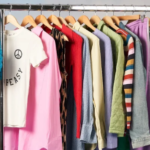
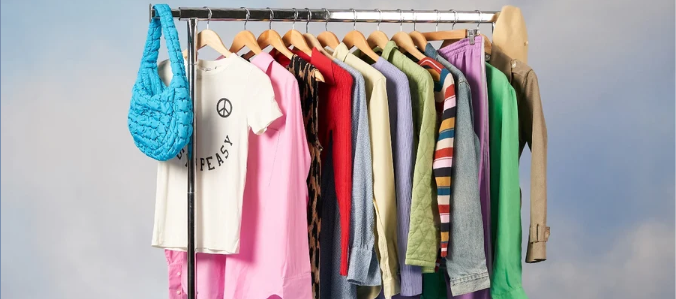
An organized online consignment shop interior, showcasing carefully curated racks of designer secondhand clothing in various styles and colors, ready for new owners.
Common Pitfalls to Avoid in Secondhand Shopping
Even with the best intentions, it’s easy to make mistakes when navigating the world of pre-owned goods. A common mistake is buying something simply because it’s cheap, rather than because it truly fits your style or fills a wardrobe gap. This often leads to a cluttered closet filled with ‘bargains’ that never get worn, negating the sustainable and cost-saving benefits.
A Capsule Wardrobe for Changing Weather Across Europe and North America
Another pitfall is overlooking the potential for damage. While minor repairs are often worth it, extensive damage like large tears, stubborn stains, or significant fabric pilling can be costly or impossible to fix. Always factor in potential repair costs; what seems like a great deal initially might become an expensive project.
Ignoring sizing differences is also a frequent issue. Vintage sizing, especially, can differ greatly from modern standards. Always try items on if possible, or at least know your measurements and compare them to the garment’s actual dimensions, not just the tag size. A ‘medium’ from the 1970s might be closer to a modern ‘small’.
Finally, falling prey to the ‘designer label’ trap without checking quality is another common error. Just because an item bears a high-end label doesn’t automatically mean it’s in good condition or well-made. Some designer items are simply not built to last, or they’ve seen too much wear. Always prioritize quality and condition over a brand name alone, especially when focused on building durable secondhand wardrobe staples.
FAQ: Your Secondhand Shopping Questions Answered
What should readers know about secondhand wardrobe staples?
Readers should understand that secondhand wardrobe staples offer a sustainable and cost-effective way to build a high-quality, unique personal style. By focusing on durable fabrics, classic silhouettes, and thoughtful inspection, you can acquire timeless pieces that often surpass the quality of new fast-fashion items, reducing both your expenditure and environmental impact.
How can I find high-quality secondhand pieces in major cities like Copenhagen or Milan?
In Copenhagen, explore neighborhoods like Nørrebro and Vesterbro for curated vintage boutiques and independent consignment shops specializing in Scandinavian design. Milan’s Quadrilatero della Moda area and surrounding districts offer luxury consignment and vintage stores, perfect for designer finds. Research local guides or apps for specific shop recommendations before your visit.
Are there reliable online platforms for finding secondhand wardrobe staples?
Yes, many reliable online platforms cater to secondhand shopping. Websites like The RealReal and Vestiaire Collective specialize in luxury designer items. ThredUP and Poshmark offer a broader range of everyday wear across various price points. For more unique or niche vintage finds, consider platforms like Depop or eBay, though these often require more careful vetting of sellers.
What types of items are best to buy secondhand for wardrobe staples?
Excellent items to buy secondhand for wardrobe staples include classic outerwear (wool coats, trench coats), high-quality denim, tailored blazers, leather goods (bags, belts), cashmere or wool sweaters, and silk blouses. These items tend to retain their quality and style over time, making them wise investments that can be easily integrated into various outfits.
How do I ensure the secondhand items I buy are clean and safe to wear?
Always assume a secondhand item needs cleaning. For most fabrics, a thorough wash according to care instructions or dry cleaning is sufficient. For items like outerwear or shoes, spot cleaning, airing out, and using fabric refreshers can help. Inspect for any signs of pests (though rare) and prioritize items that appear well-maintained.
What are some red flags to look for when inspecting secondhand clothing?
Key red flags include significant pilling, stretched-out elastic, obvious stains that won’t come out, lingering strong odors (smoke, mildew), broken zippers, missing buttons, and weakened seams. Also, be wary of items with excessive alterations that compromise the original fit or structure, as further tailoring might be difficult or costly.
Ultimately, adopting secondhand shopping strategies for better wardrobe staples is about making smarter, more sustainable choices. It’s an ongoing journey of discovery and refinement that benefits your wallet, your personal style, and the planet. For more practical style guides and tips, be sure to explore more practical style guides on Le Daily Post.