

Office-to-dinner outfit formulas involve selecting versatile pieces that can be easily adapted from professional daytime wear to appropriate evening attire with minimal effort. This typically means starting with a polished base — like tailored trousers, a midi skirt, or a sophisticated dress — and adding or removing key accessories, layering pieces, or switching footwear to transform the look. The goal is efficiency and elegance, allowing busy professionals in cities like Toronto, Milan, and New York to maintain a chic appearance without needing to return home for a complete change, ensuring readiness for anything from client dinners to social events.
The siren call of an after-work event – a networking mixer, a client dinner, or even just drinks with friends – often collides head-on with the reality of a packed workday schedule. For professionals in bustling urban centers, particularly in places like Toronto, Milan, or New York, the luxury of heading home for a complete wardrobe change is often non-existent. The clock ticks, traffic snarls, and suddenly, you’re faced with the dilemma: how to look appropriate and polished for both a morning board meeting and an evening cocktail without carrying an entire second outfit.
This isn’t just about convenience; it’s about projecting confidence and competence across various social and professional settings. Your style needs to be as adaptable as your schedule, capable of morphing from corporate chic to casually sophisticated in minutes. This is where mastering the art of the office-to-dinner outfit becomes not just a sartorial trick, but a fundamental skill for the modern city-dweller.
It requires a certain strategic approach to your wardrobe, a keen eye for versatility, and an understanding of how small tweaks can yield significant transformations. Think of it as a style equation: a solid foundation plus a few key variables equals a successful transition.
The Dynamic Demands of City Life and Wardrobe Versatility
The pace of cities across Europe, North America, and South America dictates a pragmatic approach to dressing. From the financial districts of London and New York to the artistic hubs of Paris and Buenos Aires, professionals often find their days extending into nights with little warning. In Milan, for instance, a city renowned for its fashion, a sharp blazer might be paired with tailored trousers for a daytime meeting, but swapping the blouse for a silk camisole and adding statement earrings instantly reconfigures the look for an aperitivo. Similarly, in Toronto’s bustling Bay Street, a versatile sheath dress can carry you from a presentation to a theatre performance with just a change of shoes and a different piece of jewelry.
The core principle here is versatility. Pieces that work hard, that can be dressed up or down, layered or unlayered, are your greatest allies. Consider the typical challenges: varying dress codes between work environments and evening venues, unpredictable weather (especially in cities like New York or London), and the sheer physical toll of commuting and navigating urban spaces. Your clothes need to stand up to all of this while making you feel polished and put-together. It’s about smart investments and thoughtful combinations, rather than an endless parade of new garments.

Mastering Office-to-Dinner Outfit Formulas
Achieving a seamless day-to-night transition isn’t about magic; it’s about applying tried-and-true formulas that leverage your existing wardrobe. Here are some reliable approaches:
1. The Power Suit, Deconstructed
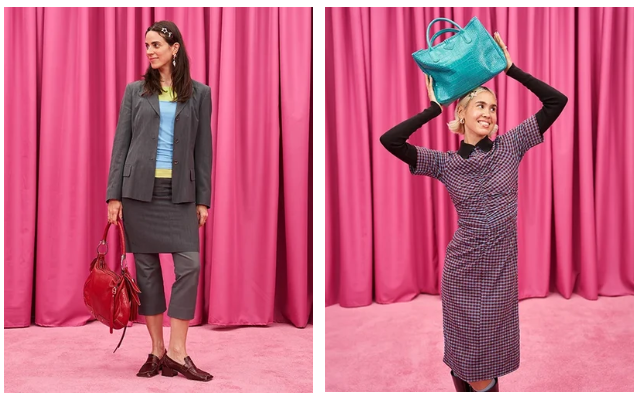
A well-tailored suit is a cornerstone of professional dressing. For the evening, consider deconstructing it. Wear the blazer over a camisole or a fine-gauge knit top, pairing it with the matching trousers. Or, keep the blazer but swap the trousers for a pair of dressy dark-wash jeans (if appropriate for the evening event) or a sleek satin skirt. This instantly softens the corporate edge without losing sophistication. Brands like Theory or Veronica Beard offer blazers with a strong yet adaptable silhouette.
2. The Versatile Midi Dress
A midi dress in a solid color or a subtle print is incredibly hardworking. For the office, layer it under a tailored blazer or a structured cardigan, perhaps with closed-toe pumps. Come evening, shed the blazer, add some bolder jewelry (a statement necklace or chandelier earrings), switch to strappy heels, and perhaps a clutch bag. A knit midi dress from COS or a silk blend option from & Other Stories can be excellent choices.
Style Sneakers for Work, Travel, and Dinner: A Practical Guide
3. The Elevated Separates Strategy
Combine a classic, well-fitting top (a silk blouse, a shell top, or a fine knit) with tailored trousers or a pencil skirt for daytime. To transition, swap the work blazer for a more relaxed, perhaps oversized, or embellished jacket (a chic leather jacket, a velvet blazer, or a sequined bomber if the event allows). Alternatively, keep the core outfit but change your top to something with more evening appeal, like a delicate lace camisole or a silk shirt unbuttoned slightly. This works particularly well with high-quality basics from brands like J.Crew or Aritzia.
4. The Jumpsuit as a Canvas
A sophisticated jumpsuit in a dark color or a rich jewel tone can be a revelation. During the day, wear it with a blazer and classic flats or low heels. For the evening, simply remove the blazer, add statement jewelry, switch to higher heels, and carry a sleek clutch. A belt can also be added or swapped to cinch the waist differently and create a new silhouette. Look for well-fitting options from Everlane or Reformation.
5. Strategic Accessory Swaps
Sometimes, the clothes themselves don’t need to change much. The magic happens with accessories. A pearl necklace and stud earrings for the office can be swapped for a chunky chain and hoop earrings. A structured tote bag gives way to a small crossbody or clutch. Practical block heels are replaced by elegant stilettos. A swipe of brighter lipstick, a touch of eyeliner, or a quick spritz of evening fragrance completes the transformation.
6. The Layering Masterclass
Consider a core outfit that can accommodate layers. A sleeveless sheath dress or a simple top and skirt can be worn with a cardigan or blazer for the day. For the evening, replace the cardigan with a stylish shawl or a dramatic scarf. This is particularly useful in places like New York where indoor temperatures can vary wildly from outside.
Office-to-Dinner Outfit Formulas: A City-Specific Comparison
While the general principles apply globally, specific details often vary based on local cultures and climates. Let’s compare practical applications across different metropolitan centers.
| City | Daytime Office Vibe | Evening Transition Tip | Key Item/Accessory |
|---|---|---|---|
| Toronto | Polished professional, often business casual with a lean towards modern tailoring. Practical outerwear due to weather. | Focus on adaptable layers and swift shoe changes. A chic trench coat or tailored wool coat over a dress/suit is common. Swap boots for heels. | Versatile knit midi dress, interchangeable footwear (ankle boots to stilettos). |
| Milan | High fashion sensibility, emphasis on quality fabrics, impeccable tailoring, and sophisticated monochrome or subtle color palettes. | improve with luxurious textures (silk, velvet), statement jewelry (gold/silver), and designer clutch. Scarves are essential. | Silk blouse, impeccably tailored trousers, oversized blazer. Add bold earrings, switch to pointed-toe pumps. |
| New York City | Dynamic and diverse, ranging from corporate formal on Wall Street to creative chic in Brooklyn. Emphasis on speed and comfort for transit. | Transform with bold accessories, makeup touch-ups, and jacket swaps. Layering is key for unpredictable weather and varying indoor temperatures. | Sleek black jumpsuit, structured blazer. Swap tote for a mini-bag, add a statement necklace. |
| Buenos Aires | Elegant and classic, often with a European influence. Tailoring is appreciated, but with a touch of South American flair. | Embrace richer colors, more intricate details, and a slightly more dramatic silhouette for evening. Scarves and statement jewelry are popular. | Well-tailored pencil skirt, elegant blouse. Add a colorful or embellished blazer, switch to higher heels, vibrant accessories. |

Common Mistakes to Avoid When Planning Your Office-to-Dinner Outfits
While the goal is efficiency and style, there are several pitfalls that can undermine your efforts to create effective office-to-dinner outfits.
One frequent error is choosing fabrics that wrinkle easily. Linen, while beautiful, can look rumpled after a day of sitting, making you appear disheveled for an evening event. Opt for wrinkle-resistant materials like wool blends, ponte knit, or technical fabrics that hold their shape. Think about how the fabric will perform throughout your day, from your commute on the subway to a long meeting.
Another common misstep is underestimating the impact of footwear. While comfortable flats or block heels are ideal for the office, they often lack the evening polish needed for a dinner or social event. Carrying a small, collapsible bag with a pair of dressier shoes (heels, elegant flats, or dressy boots) is a simple swap that makes a monumental difference. Don’t fall into the trap of trying to make one pair of shoes work for drastically different contexts.
A Capsule Wardrobe for Changing Weather Across Europe and North America
Forgetting to account for practicalities like warmth or cooling is also a mistake. In cities with varying climates, like Toronto or even London, a lightweight blazer might be fine indoors but utterly insufficient for an evening stroll. Always have a chic outer layer that can be easily added or removed, such as a stylish trench coat, a tailored wool coat, or a sophisticated wrap. Conversely, wearing too many heavy layers that can’t be easily shed can make you uncomfortable in a warm restaurant.
Lastly, neglecting the power of simple grooming touch-ups is a missed opportunity. A quick refresh of makeup (a bolder lip, a touch of blush), a spritz of dry shampoo, or a change of earrings takes mere minutes but significantly elevates your look. Your outfit is only one part of the equation; presenting a refreshed self is equally important.
FAQ: Your Office-to-Dinner Outfit Questions Answered
What are the best colors for office-to-dinner outfits?
Neutral colors like black, navy, charcoal gray, and beige are excellent bases as they are professional for day and sophisticated for evening. Jewel tones like emerald green, sapphire blue, or ruby red also transition beautifully, adding a touch of richness that works well after hours.
How can I make a work dress more evening appropriate?
To make a work dress evening appropriate, swap your work blazer for a more decorative jacket (like a leather or velvet option), exchange practical work shoes for heels or elegant flats, and trade your day bag for a clutch. Add statement jewelry, like a bold necklace or large earrings, and refresh your makeup with a brighter lip or a touch of shimmer.
What kind of accessories should I carry for quick transitions?
For quick transitions, carry a small, sleek clutch or mini bag containing essential evening accessories: a pair of dressier shoes, statement jewelry (earrings, necklace), a brighter lipstick, a compact mirror, and a small perfume rollerball. A thin, versatile scarf can also add evening flair.
Can I wear trousers for an evening event after work?
Absolutely. Well-tailored trousers in materials like wool crepe, silk blends, or even a sophisticated ponte knit are perfectly acceptable for most evening events. Pair them with a dressy top (e.g., silk camisole, embellished blouse), heels, and evening jewelry to improve the look from office-ready to event-appropriate.
Are jeans ever acceptable for office-to-dinner transitions?
In certain less formal industries or cities, dark-wash, well-fitting jeans without any distressing can be acceptable for a casual evening event. However, for client dinners or more formal gatherings, it’s safer to opt for tailored trousers or a skirt. Always gauge the specific event’s dress code and your workplace culture.
How can I avoid looking like I just left the office?
The key is transformation through deliberate choices. Focus on removing office-specific items (e.g., badge, chunky work bag) and adding evening elements (e.g., jewelry, different shoes, a more relaxed yet stylish jacket). A slight change in hairstyle or makeup also signals a shift in context, making it clear you’ve transitioned beyond the workday.
Mastering office-to-dinner outfit formulas for busy cities is an invaluable skill, allowing you to navigate your demanding schedule with grace and style. By focusing on versatile pieces, strategic layering, and impactful accessory changes, you can ensure you’re always dressed appropriately, no matter where your day (and night) takes you. Explore more practical style guides on Le Daily Post.