
Travelers frequently make several fashion mistakes in walkable cities, primarily centered around footwear, inappropriate layering, and impractical bags. Opting for uncomfortable shoes like brand-new sneakers or high heels for extensive walking, overpacking bulky items, and carrying large, unsecured bags are common pitfalls. The key to successful travel fashion is prioritizing comfort and versatility without sacrificing style, often by choosing broken-in, supportive footwear, breathable layers, and a secure crossbody bag that allows for hands-free exploration, ensuring a more enjoyable and authentic urban experience.
Stepping off the plane, full of excitement to explore a new city, the last thing you want is for your outfit to betray you. Yet, many of us, myself included, have learned the hard way about the unique challenges of dressing for places designed for walking. It’s not just about looking good; it’s about comfort, practicality, and blending in enough to feel like you’re part of the local fabric, rather than an obvious outsider.
Whether you’re meandering through the cobbled streets of Rome, navigating the bustling markets of São Paulo, or strolling along the Thames in London, your attire plays a crucial role in your overall experience. Those cute new sandals might seem perfect for Instagram, but after an hour of pavement pounding, they’ll turn your adventure into an agonizing slog. Avoiding common fashion mistakes travelers make in walkable cities is less about haute couture and more about smart, intentional packing.
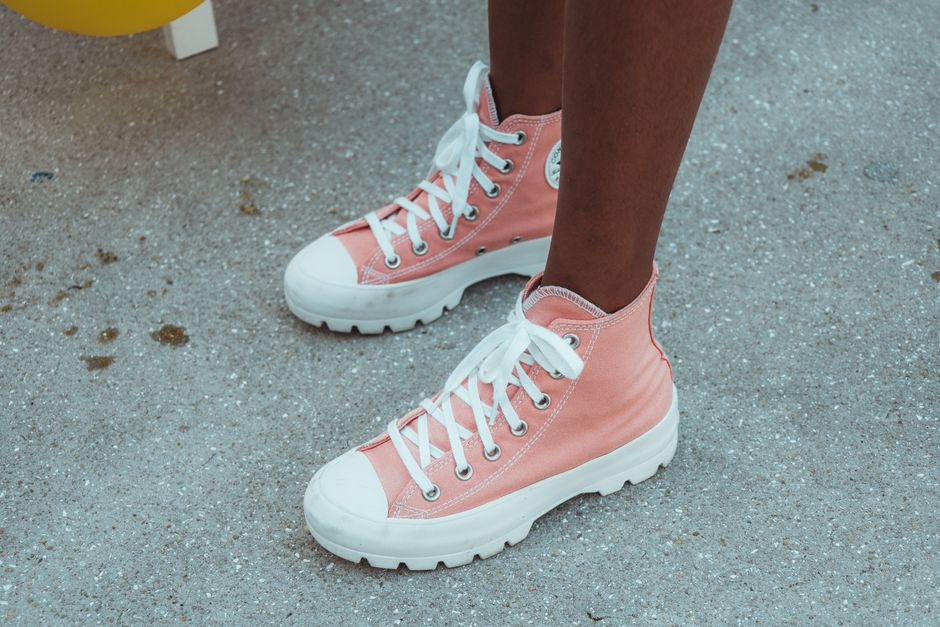
The Footwear Fiasco: Your First Line of Defense (or Disaster)
Let’s be brutally honest: your feet are your most important asset in any walkable city. The number one fashion mistake travelers make, without fail, is underestimating the power of proper footwear. This isn’t just about comfort; it’s about avoiding blisters, foot pain, and even knee or back issues that can derail an entire trip.
Too New, Too Fashion-Forward, Too Flimsy
A common trap is bringing brand-new shoes. Even if they’re supposedly comfortable, they haven’t molded to your feet yet. Always break in new shoes extensively before travel. Another issue is prioritizing fashion over function. Those sleek loafers or ballet flats might look chic, but many offer minimal support for hours of walking. Similarly, flimsy sandals or flip-flops (unless you’re strictly beach-bound) are an absolute no-go for urban exploration. Think about the uneven pavements of Madrid or the steep hills of Lisbon — you need grip and cushioning.
What to Choose Instead: Tested & True
For most urban environments, a comfortable, supportive sneaker is king. Brands like Hoka, Brooks, or Adidas Ultraboost are popular for a reason – they offer serious cushioning. If sneakers aren’t your aesthetic, consider stylish walking shoes from brands like Ecco, Dansko, or Birkenstock (with good arch support). For a dressier option that can still handle walking, a comfortable pair of leather ankle boots (broken in!) or low-heeled wedges can work for evenings. In places like London, where public transport is excellent but walking is still a daily necessity, you’ll see locals opting for stylish, yet practical, trainers.
Layering Lessons: The Goldilocks Principle of Travel Wardrobes
Weather in many walkable cities can be famously unpredictable. Think about a spring day in Paris or an autumn afternoon in Santiago – you might start with a chill, warm up significantly by midday, and then face a sudden shower. One of the biggest fashion mistakes travelers make is failing to dress in adaptable layers.
Overdressed, Underdressed, or Just Plain Wrong
Packing a single heavy coat for fluctuating temperatures is a classic error. You’ll either roast or shiver. Conversely, arriving in a city known for its evening breezes with only t-shirts will leave you scrambling for an expensive souvenir hoodie. Another mistake is choosing non-breathable fabrics like heavy cotton in humid climates, which can leave you feeling sticky and uncomfortable.
What to Wear in Major Cities: Paris, Toronto, Buenos Aires, and Barcelona City Style Guide
Smart Layering for Diverse Climates
The solution lies in lightweight, breathable layers. Start with a good base layer (merino wool or a technical blend). Add a mid-layer like a light sweater or a long-sleeved shirt. Top it off with a packable, water-resistant jacket. Brands like Patagonia, Uniqlo, or REI offer excellent options for packable outerwear that won’t weigh down your bag. This approach works whether you’re dealing with the brisk mornings in Berlin, the humid afternoons in Rio de Janeiro, or the notoriously fickle weather in Dublin.
Bag Blunders: The Practicality vs. Security Conundrum
Your bag is more than just an accessory; it’s your portable office, snack bar, and souvenir holder. Choosing the wrong one is another significant fashion mistake travelers make, impacting both comfort and security.
The ‘Easy Target’ Backpack & The ‘Shoulder Ache’ Tote
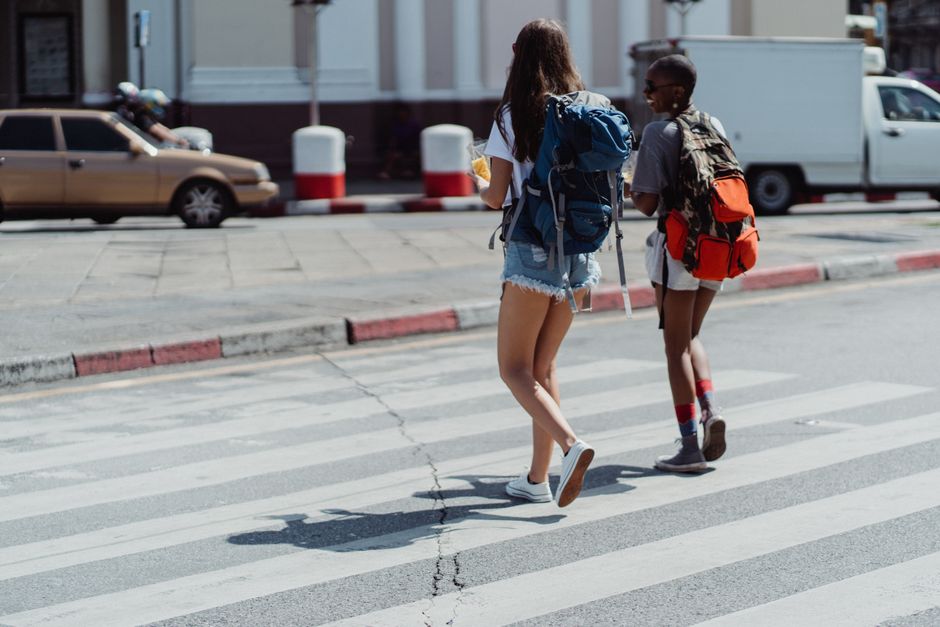
A large, unsecured backpack, especially one worn on your back in a crowded area, is an open invitation for pickpockets. Similarly, an oversized tote bag with a single shoulder strap can quickly become heavy and uncomfortable after hours of walking, leading to shoulder pain. These aren’t just fashion faux pas; they’re practical hazards.
Secure & Comfortable Alternatives
For city exploration, a crossbody bag or a small, anti-theft backpack is often ideal. Crossbody bags keep your valuables in front of you, making them harder to snatch. Look for features like locking zippers or slash-resistant materials from brands like Pacsafe or Travelon. A small, lightweight backpack (like a Fjallraven Kanken Mini or a Herschel Daypack) can work if it’s worn correctly and you’re mindful in crowded areas. This balance of security and comfort is crucial whether you’re navigating the subway in New York City or exploring the colourful streets of Cartagena.

Looking the Part: Blending In vs. Sticking Out
While personal style is always important, there’s a fine line between expressing yourself and making fashion mistakes that scream ‘tourist,’ potentially attracting unwanted attention or simply feeling out of place. This isn’t about abandoning your identity but adapting it slightly for the local context.
The Tourist Uniform & Cultural Clashes
Overly casual attire like pajamas, visibly dirty clothes, or overly branded sportswear (unless you’re at a sporting event) can make you stand out in places where locals tend to be more put-together. Similarly, forgetting cultural norms, such as wearing revealing clothing in conservative areas, is a significant mistake. For example, while shorts and tank tops are fine for the beach in Rio, they might be less appropriate for a formal dinner in a fancy São Paulo restaurant or visiting a church in Seville.
Smart Choices for an Authentic Feel
Observe what locals wear. In European cities like Madrid or Milan, people often opt for smart casuals – well-fitting jeans, stylish blouses, tailored trousers, and polished shoes. Neutrals and classic pieces are always a safe bet. Think about versatile items that can be dressed up or down: a classic button-down shirt, a simple black dress, or dark-wash jeans. This approach allows you to feel comfortable and confident, whether you’re admiring art in the Louvre or enjoying tapas in a bustling Spanish square.
The Packing Paradox: Too Much, Too Little, or Just Wrong
Ultimately, many fashion mistakes travelers make stem from poor packing strategies. It’s a delicate balance: you want options, but you don’t want to be lugging around an enormous suitcase that slows you down.
Affordable Workwear That Looks Premium: A Global Style Guide
The Overpacker’s Plight & The Underpacker’s Panic
The overpacker brings ‘just in case’ outfits that never see the light of day, resulting in heavy luggage and wasted space. The underpacker, on the other hand, might find themselves buying expensive, last-minute replacements because they didn’t bring versatile pieces or account for diverse activities. Both lead to unnecessary stress and expense.
Curating a Capsule Wardrobe for Travel
The solution is a travel capsule wardrobe. Focus on versatile pieces that can be mixed and matched to create multiple outfits. Choose a consistent color palette (e.g., neutrals with one or two accent colors). Prioritize wrinkle-resistant fabrics. A good rule of thumb is to pack items you can wear at least two to three times. This strategy works wonders for a weekend in London or a two-week multi-city tour of South America, ensuring you have options for various occasions without being burdened by excessive luggage.
FAQ: Answering Your Top Travel Fashion Questions
What are the biggest fashion mistakes to avoid in walkable cities?
The biggest fashion mistakes include wearing uncomfortable or brand-new shoes, failing to dress in layers for unpredictable weather, carrying large or unsecured bags that invite theft, and dressing too casually or inappropriately for local cultural norms, making you stand out as a tourist.
What kind of shoes are best for walking tours in European cities?
For walking tours in European cities like London or Madrid, comfortable, broken-in athletic sneakers with good arch support (e.g., Hoka, Brooks) or stylish yet practical walking shoes (e.g., Ecco, Dansko) are best. Avoid brand-new shoes, high heels, or flimsy sandals for extensive walking on cobblestones and varied terrain.
How can I stay stylish yet comfortable in a city like Sao Paulo?
To stay stylish yet comfortable in a city like São Paulo, opt for breathable fabrics and versatile pieces. Light dresses, well-fitting trousers or dark jeans, and chic blouses work well. Combine with comfortable walking sandals or stylish sneakers. Always carry a light layer for air-conditioned indoors or cooler evenings, and choose a secure crossbody bag for essentials.
What should I avoid wearing to blend in better in a foreign city?
To blend in better in a foreign city, avoid overly casual attire like pajamas, visibly dirty clothes, or overly branded tourist gear. Also, be mindful of cultural norms regarding modesty; in some regions, revealing clothing might be considered inappropriate. Opt for smart casuals and observe local fashion trends.
Is it okay to wear jeans when traveling in walkable cities?
Yes, it’s generally okay to wear jeans when traveling in walkable cities. Dark-wash, well-fitting jeans are often a staple in many urban environments and can be dressed up or down. However, consider the climate; heavy denim might be uncomfortable in very hot or humid destinations like parts of South America during summer.
Navigating the fashion landscape of walkable cities doesn’t have to be a minefield. By focusing on comfort, versatility, and a little local observation, you can avoid the common fashion mistakes travelers make and ensure your trip is remembered for its incredible sights and experiences, not your aching feet or ill-suited attire. For more practical style guides and travel tips, explore more on Le Daily Post.